Hi,
We packed ourselves and headed to meet some friends in Escape trail in Mount Carmel. It is a short circular hike (about 1.5 km long) in the forest, so it mostly shaded. It tells the story of the ‘escape’ movement that led to the immigration of approximately 300 Holocaust survivors from Europe.
Along the short trail there are a four stations (which are stones engraved with stories) about the movment’s activities. The trail walks the hikers along a route in the forest, similar to those the Holocaust survivors walked along in Europe.
It was a bit too short for us, so we walked a bit further along Israel National trail to Mizpe Ofer (Ofer Panorama). It is a 4 story height observation tower looking over The Carmel shore area.
The tower is closed due to safety issues, but you can also enjoy the view from the wood deck under the tower.
Take Care
Gad
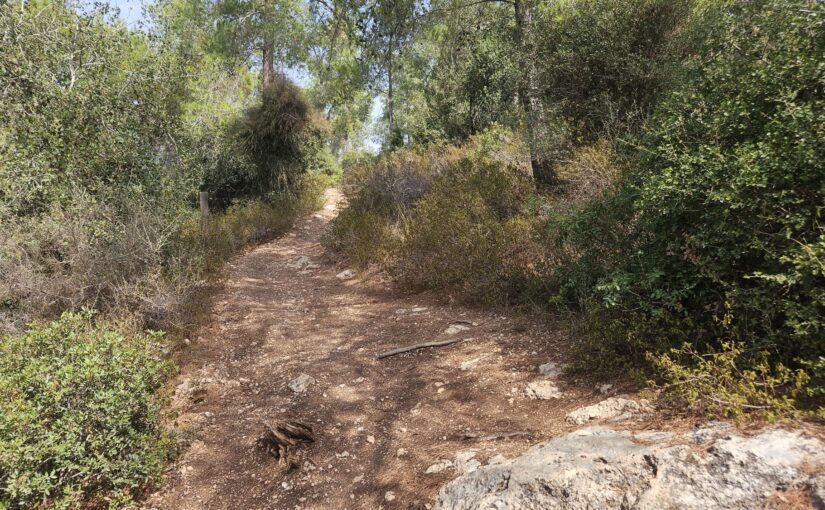
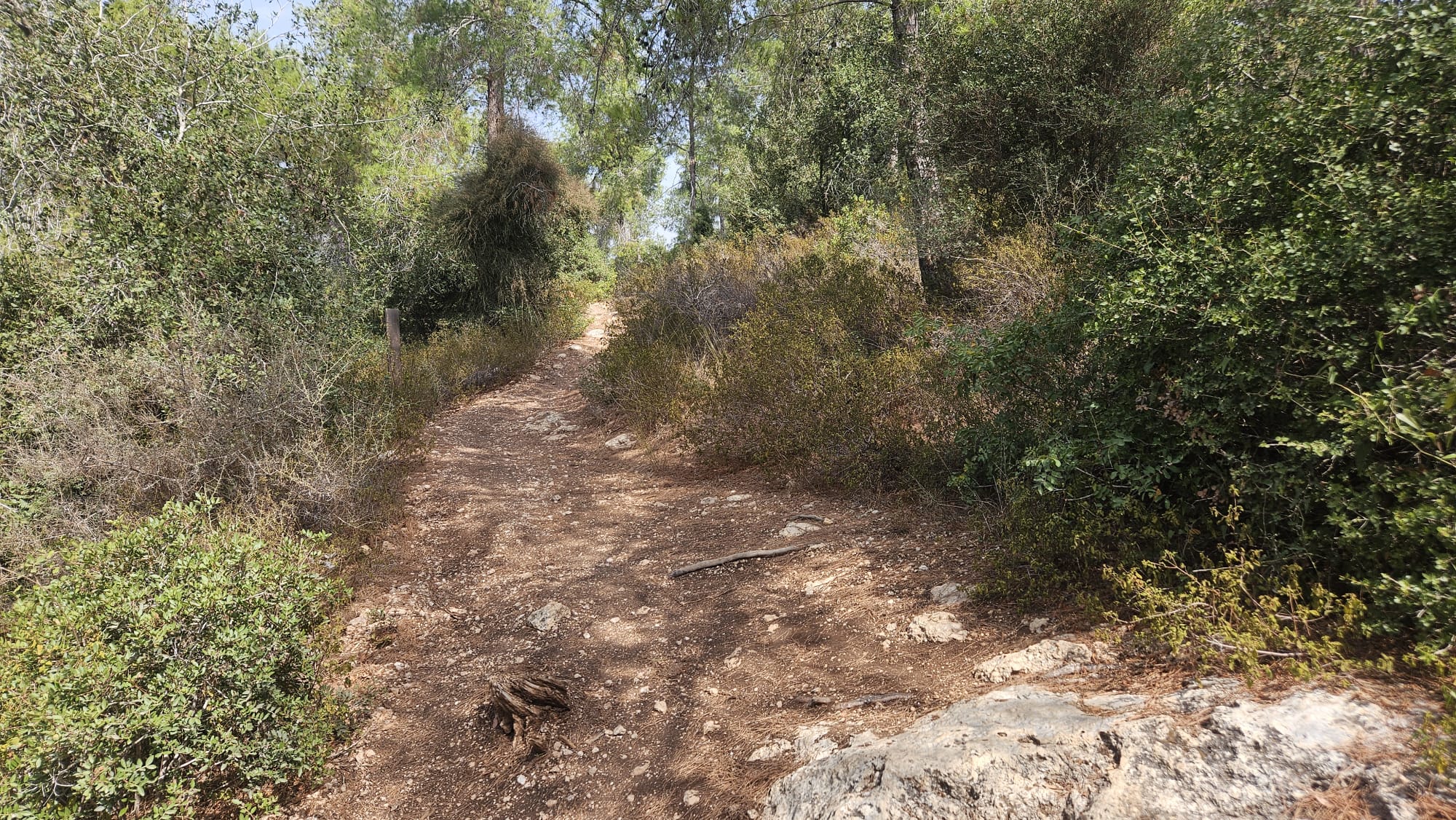 Part of the trail in the forest
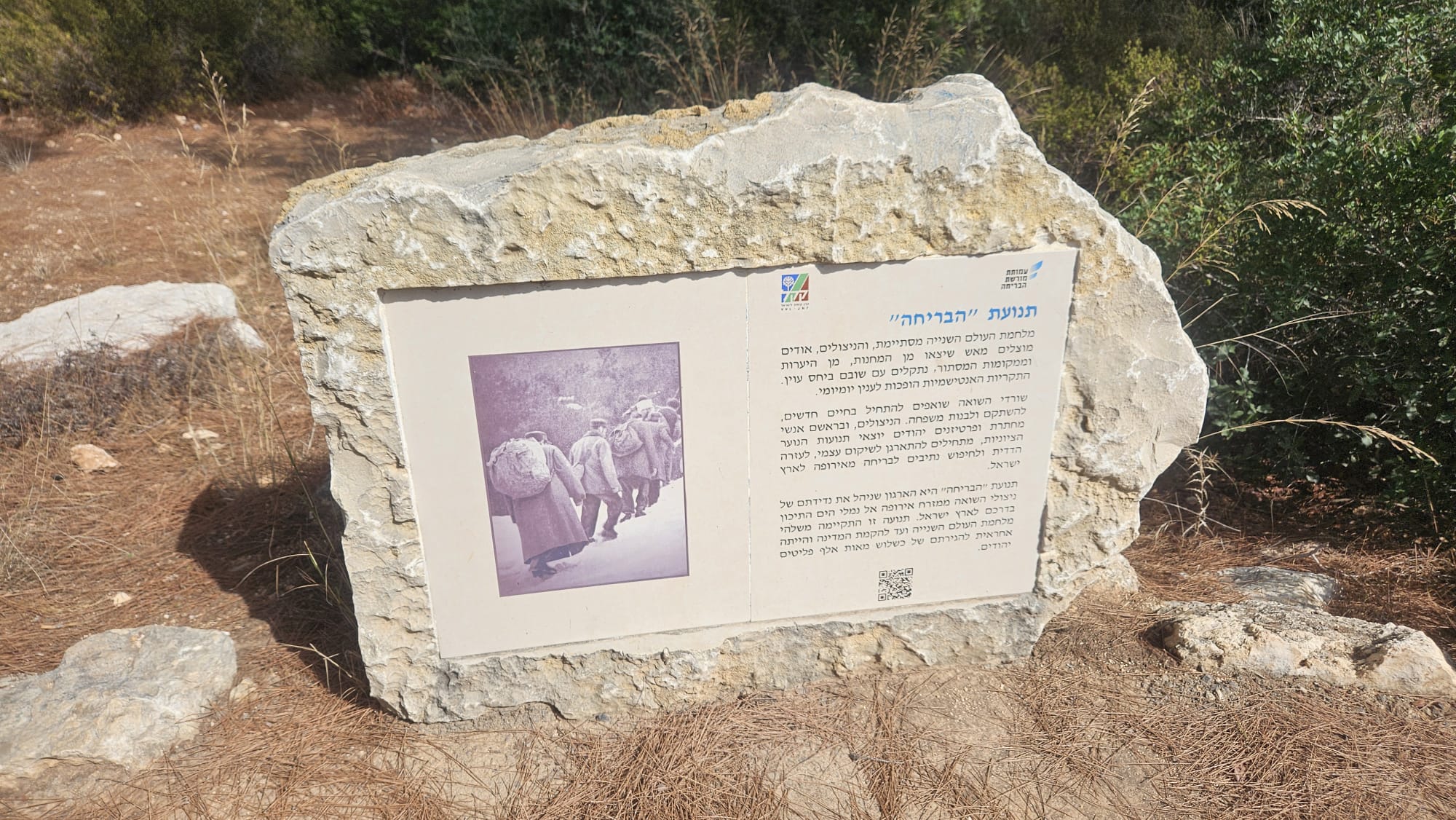 The Escape Heritage Association – The Escape Movement. World War II was drawing to a close, and survivors – brands plucked from the fire – emerged from the camps, the forests, and their hiding places, only to encounter hostility upon their return. Antisemitic incidents became a daily occurrence. Holocaust survivors yearned to start new lives, rebuild, and raise families. Leading the effort—and joined by Jewish underground fighters and partisans from Zionist youth movements—they began to organize for self-rehabilitation, mutual aid, and the search for routes to escape Europe for the Land of Israel.
The Escape movement was the organization that managed the exodus of Holocaust survivors from Eastern Europe to Mediterranean ports on their way to the Land of Israel. Active from the final stages of World War II until the establishment of the State, the movement facilitated the migration of approximately three hundred thousand Jewish refugees.
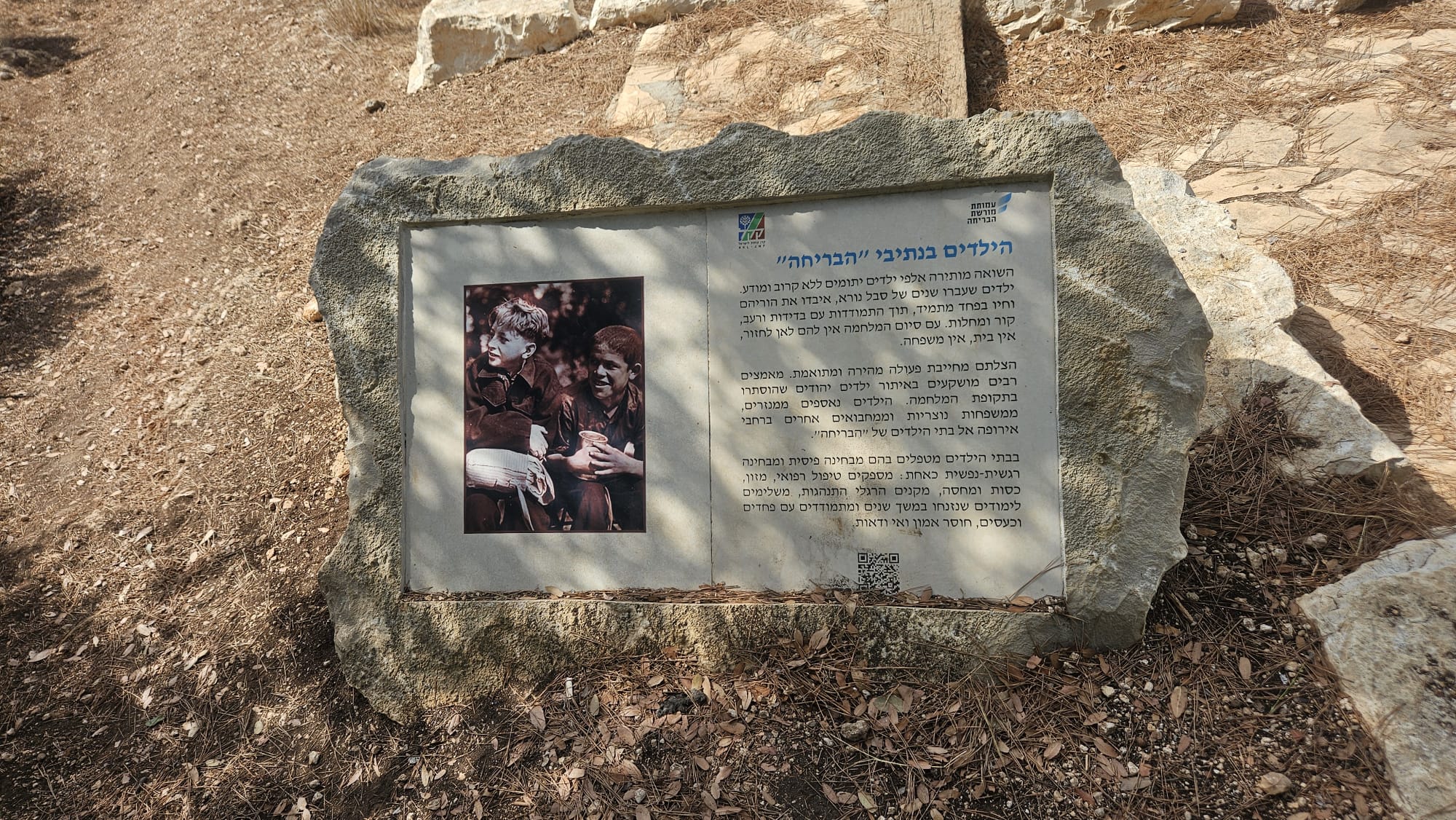 Children on the Escape Routes
The Holocaust left thousands of children orphaned, without any surviving relatives. These children endured years of terrible suffering, lost their parents,
and lived in constant fear, grappling with loneliness, hunger, cold, and disease. With the war’s end, they had nowhere to return to— no home, no family. Rescuing them required rapid, coordinated action. Great effort was invested in locating Jewish children who had been hidden during the war. They were gathered from monasteries, Christian families, and other hiding places across
Europe and brought to Escape children’s homes.
At these homes, the children received both physical and emotional care: they were provided with medical treatment, food, clothing, and shelter; taught behavioral norms; helped to catch up on education neglected for years; and supported in coping with fear, anger, mistrust, and uncertainty.
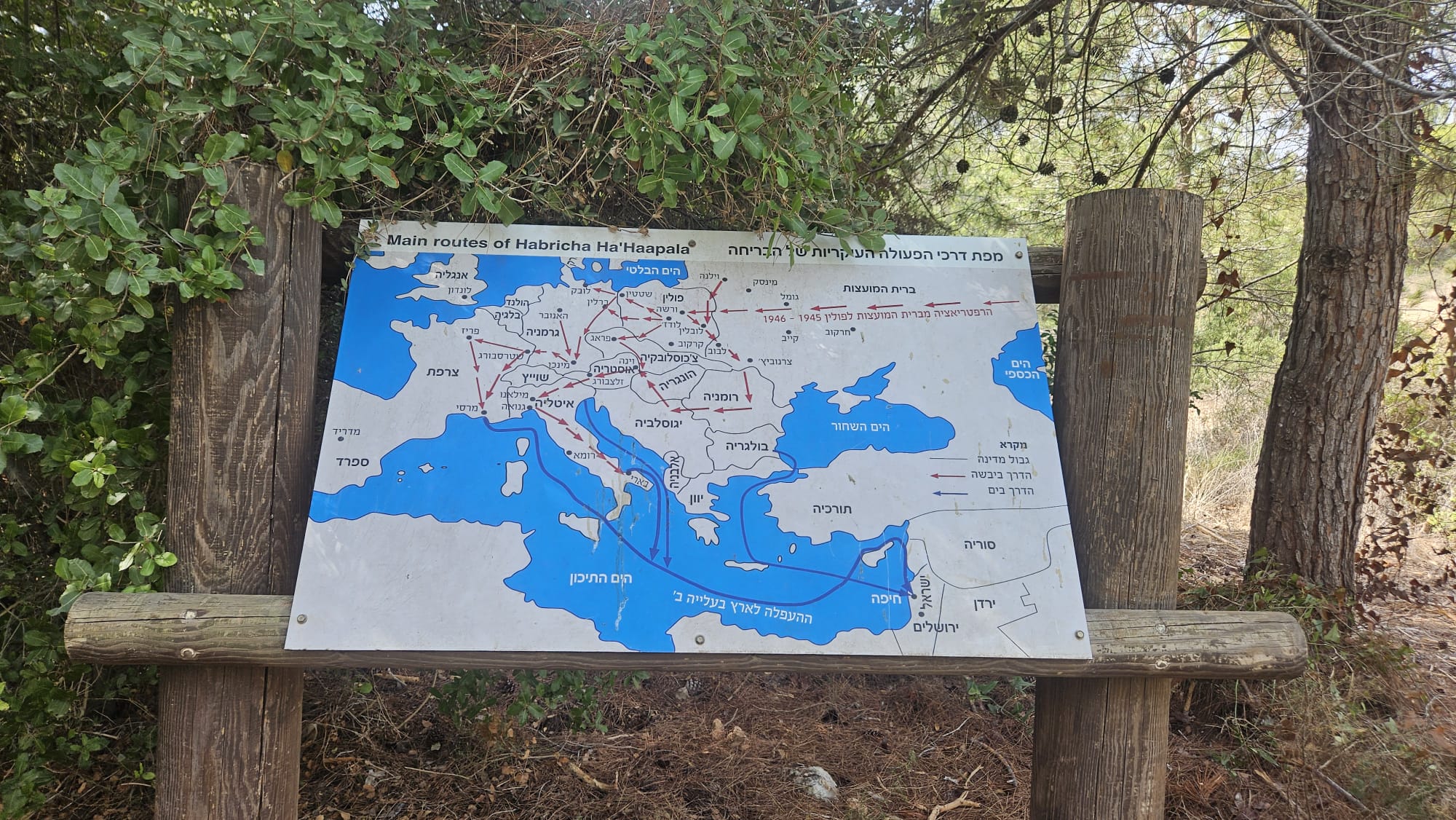 Main routes of Habricha (Escape) Ha’Haapala
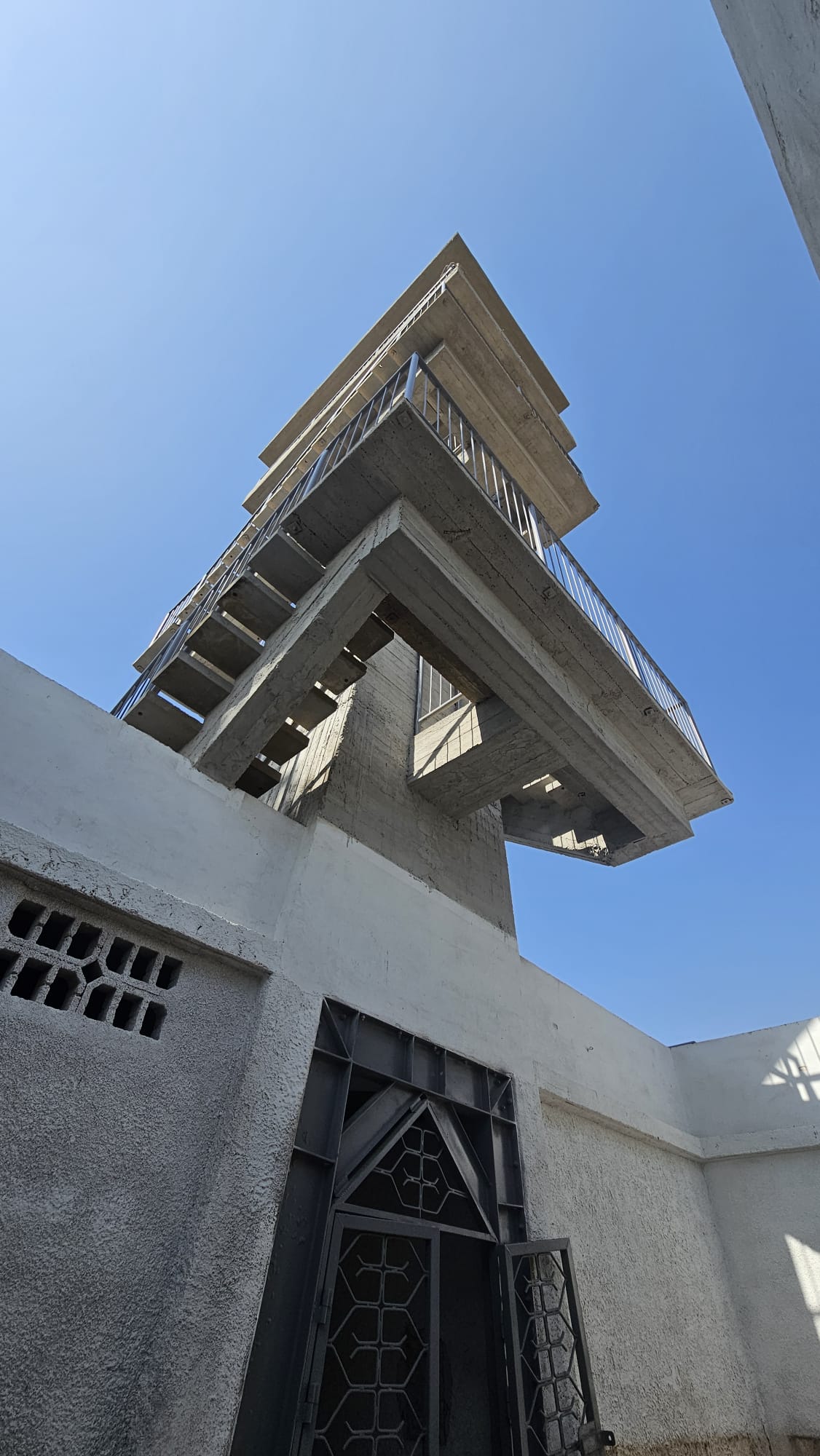 The Ofer Observation tower from within
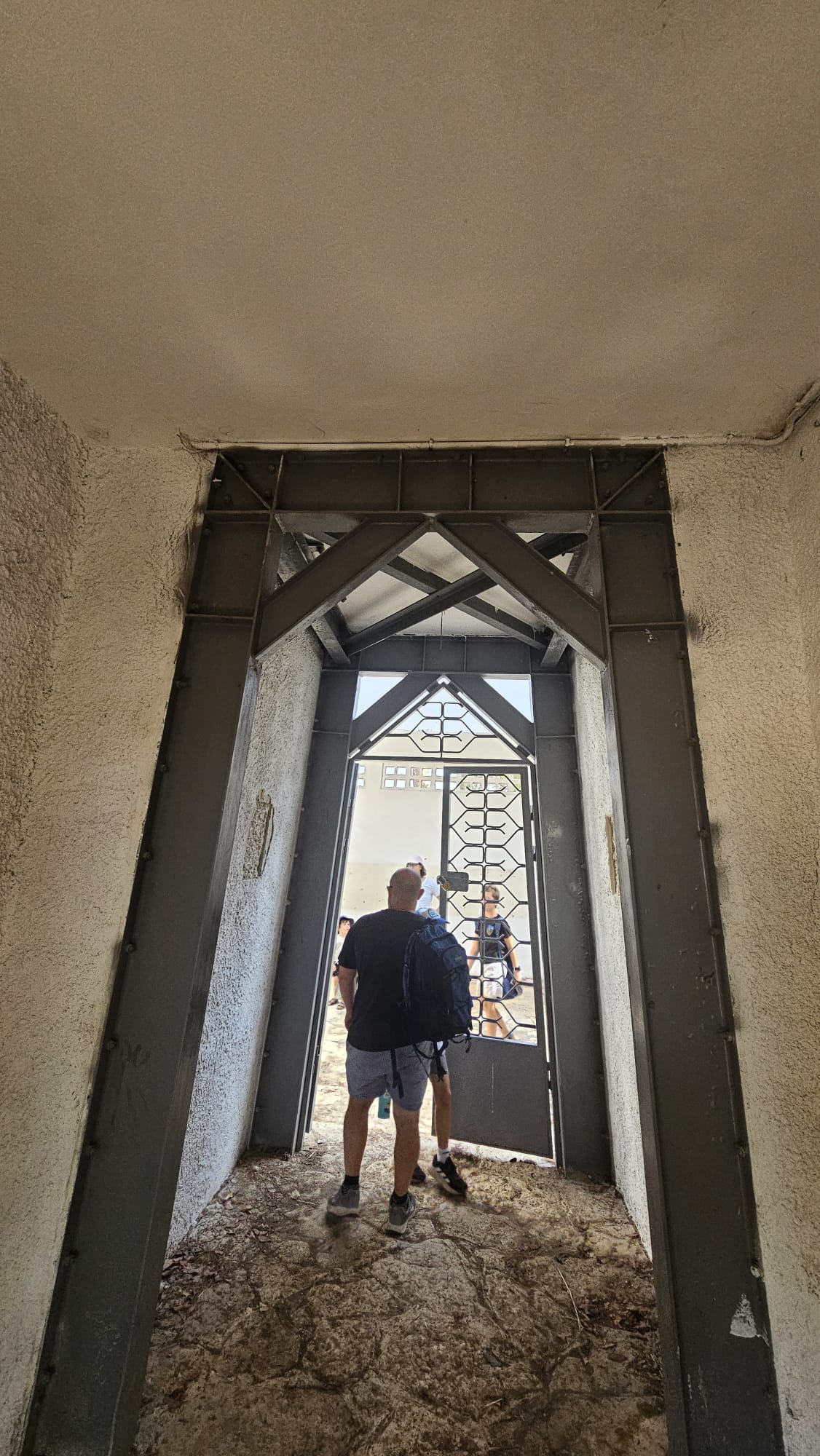 Some steel retrofit inside the tower, might be because of the safety issues
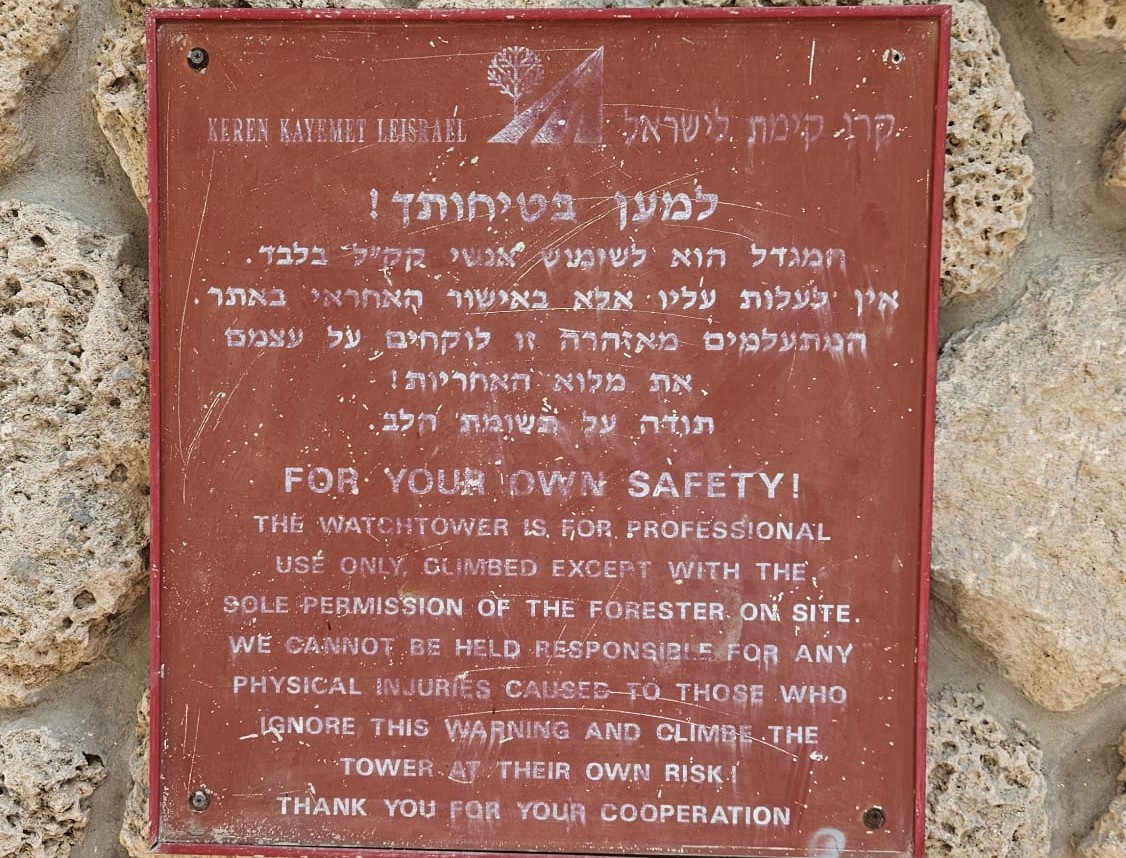 For your own safety!
The watchtower is for professional use only. Climbed with the sole permission of the forester on site. We cannot be hed responsible for any physical injuries caused to those who ignore the warning and climbe the tower at their own risk.
Thank you for you cooperation.
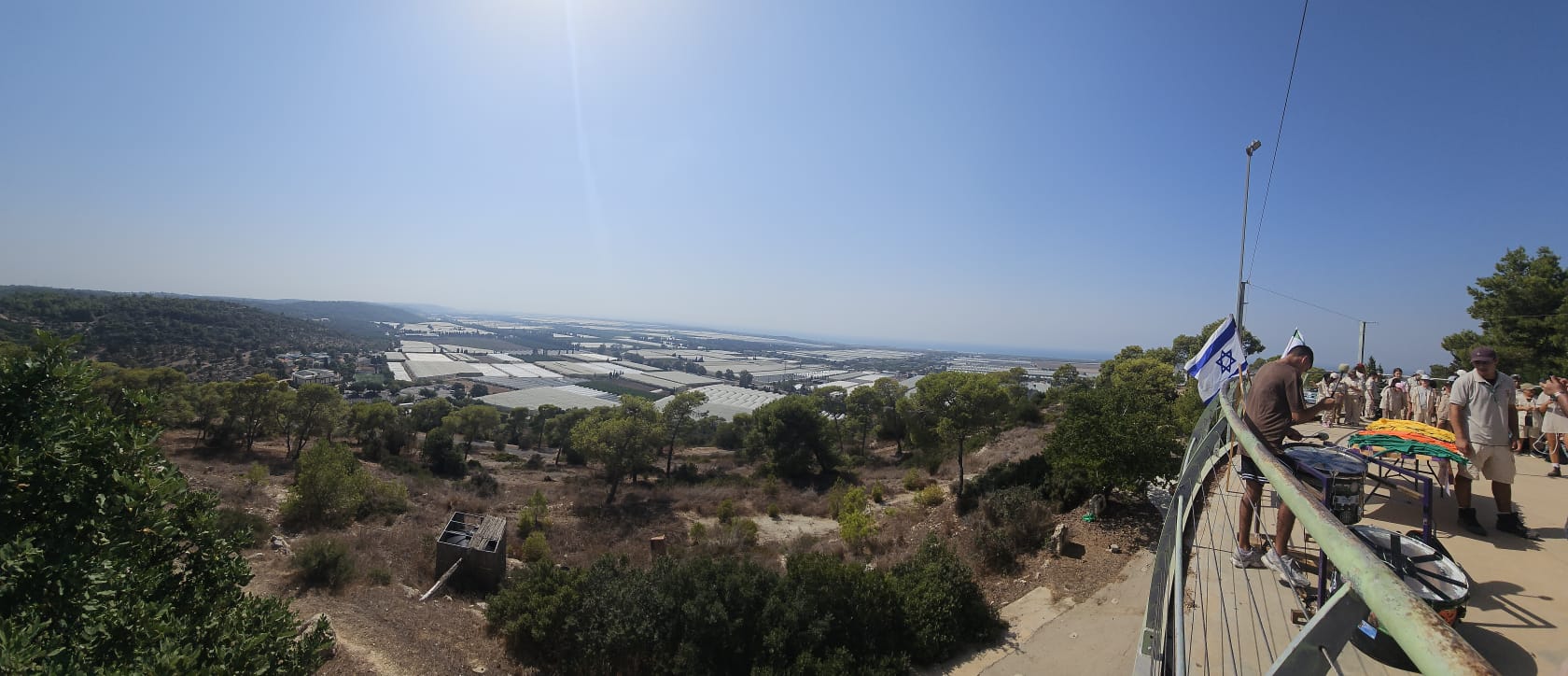 The view from Mizpe Ofer (Ofer Panorama) over The Carmel shore area.
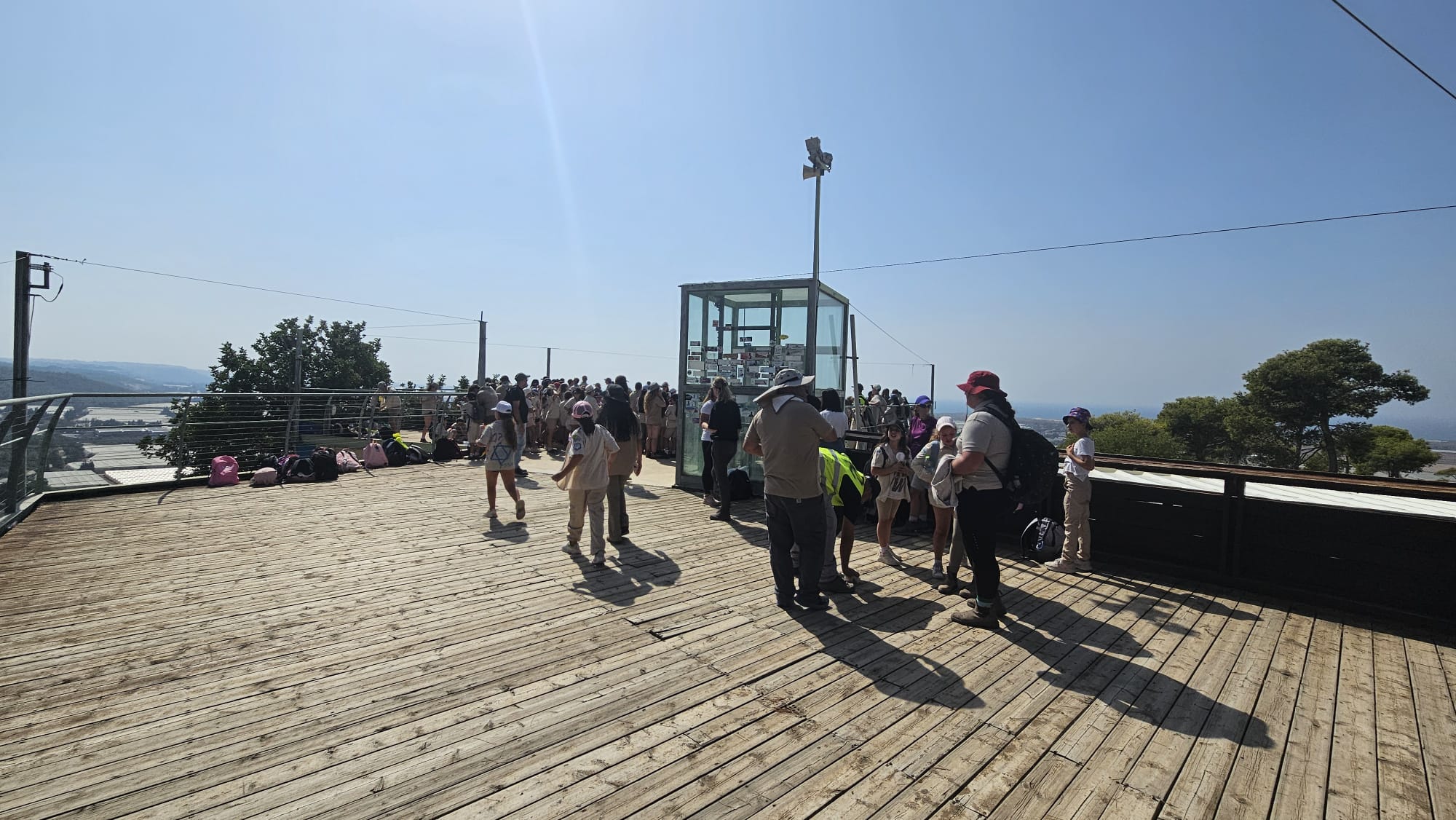 The deck was packed with teenagers form Yokneam Illit Scouts youth movement
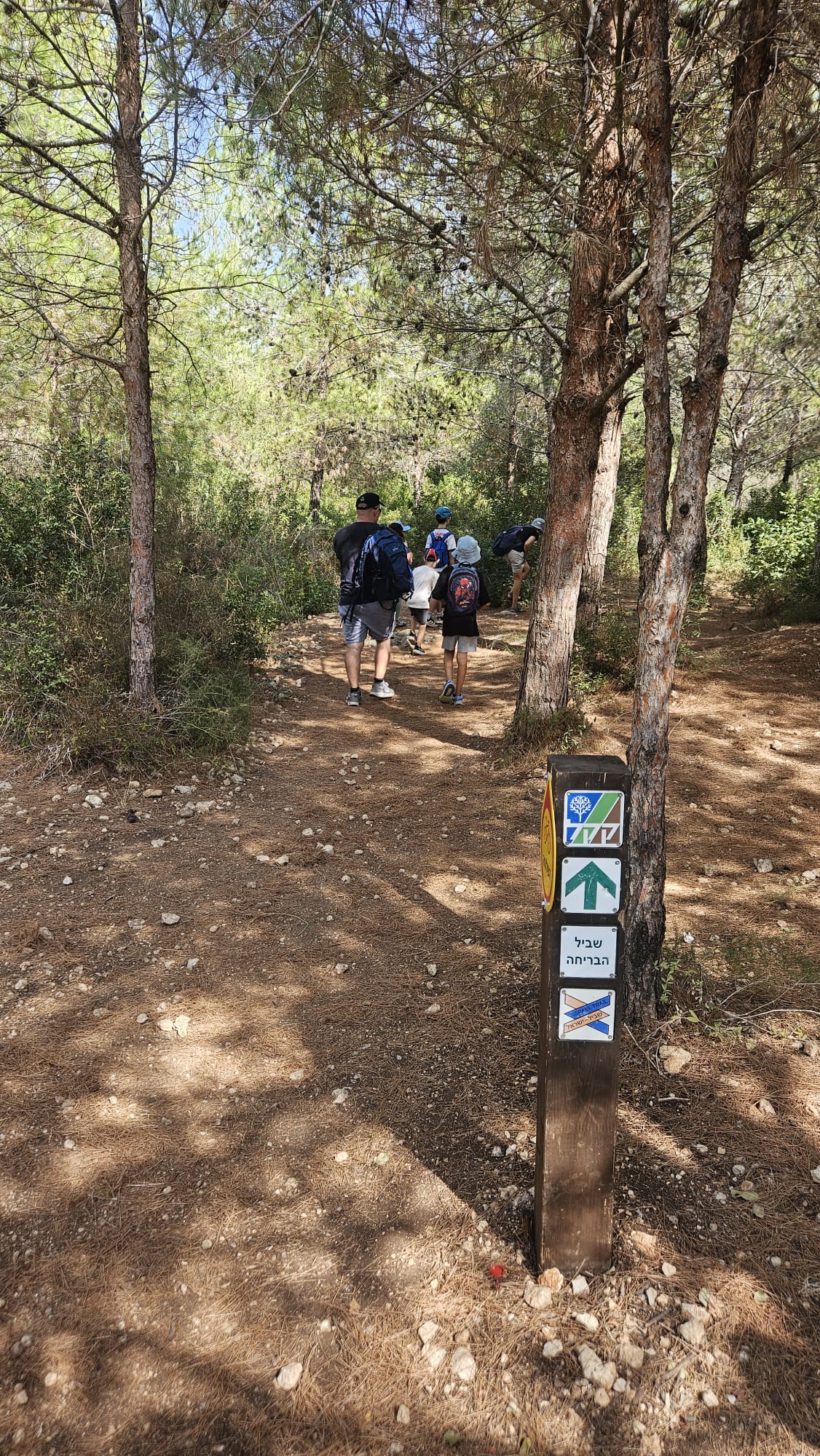 Walking back along Israel National Trail and Escape trail
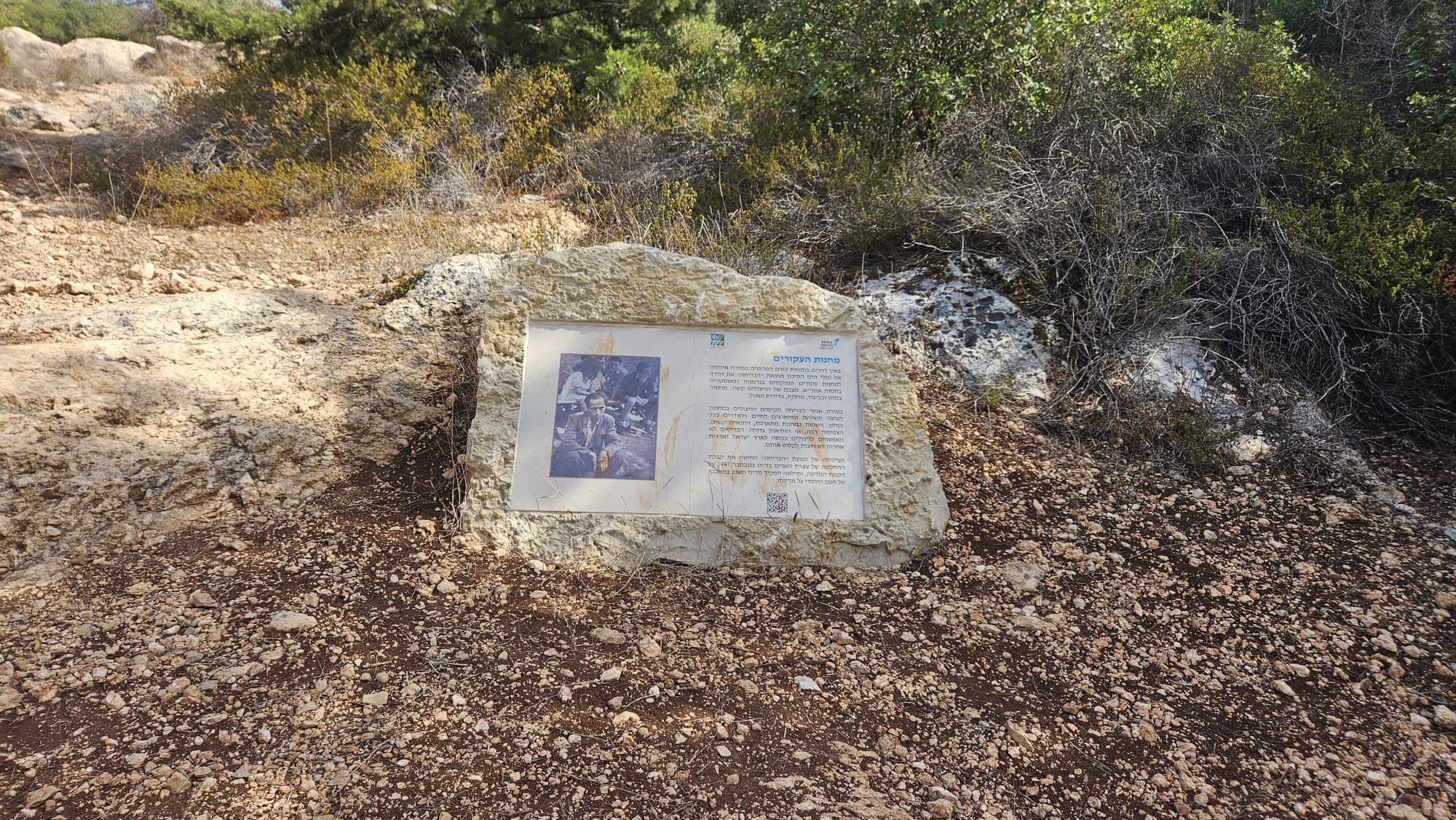 The Displaced Persons (DP) Camps – Routes were charted to smuggle survivors to Mediterranean ports and to DP camps established in Germany and Austria under the auspices of UNRRA – camps characterized by shortages of food and clothing, as well as by disease, loneliness, and bereavement.
With the assistance of the “Brichah” (Escape) movement, survivors organized their lives as best they could; however, their stay in the camps dragged on, and conditions remained harsh. The survivors were denied entry to the Land of Israel, while other nations were unwilling to take them in.
The activities of the Escape movement – which operated following the UN General Assembly’s decision of November 29 – played a pivotal role in the Jewish people’s struggle for statehood.
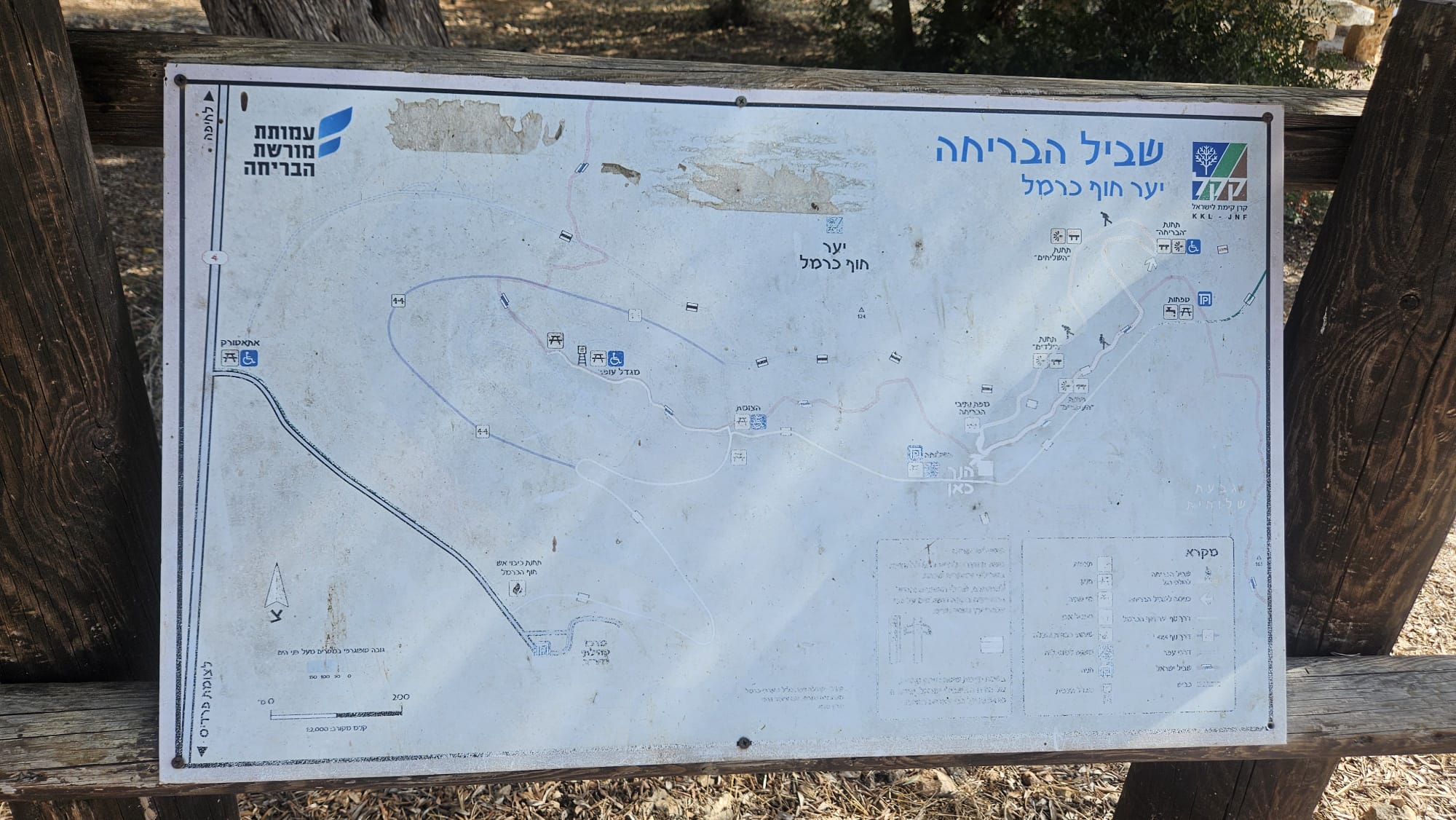 Escape Trail map (you can a clearer pic here)