
Hi,
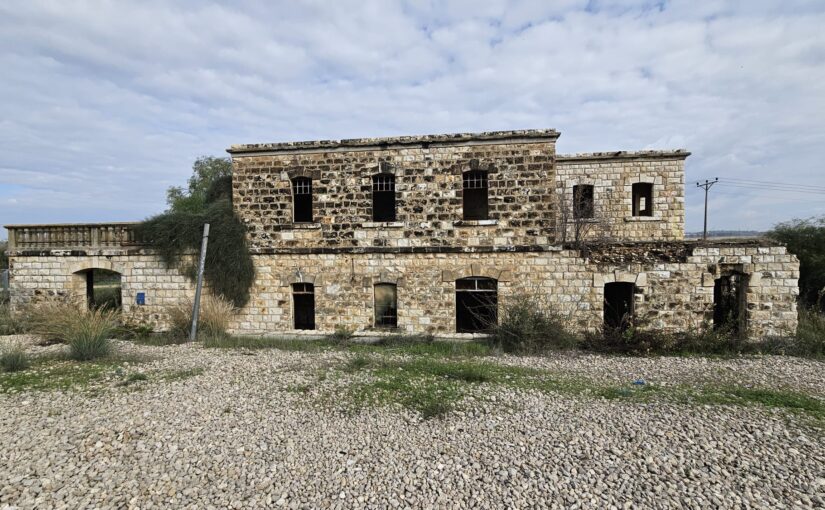
Atzva and I took Xuxa and went to visit The Ottoman railway station at Nahal Sorek (Wadi Sarar). The kids, if you ask were at their grandparent house so we can go to a restaurant and to see the new show of Tziporela – a satirical comic show. We watched all of their shows before that and really love their act.
The station was built by the Ottomans during the construction of Jaffa – Jerusalem railway in 1892, and served the residents of the nearby villages. It named after the nearby section of the Shorek Stream (in Arabic this part of it called Wadi Sarar).
During World War I, in 1915, a new line to Be’er Sheva was added to the station. and the station served as a rail junction to a railway to this new line, which was used by the Turks to supply the front line against the British. As a junction station it became a crucial logistic and strategic point to the Turks and German (that include airfields) an later for the British.
On November 13, 1917, the station was captured by British forces of the EEF (which held mainly Indian forces), who reported seizing 45 railway cars, 2 locomotives, and 2 artillery wagons left at the site.
The British repaired the bridge over Nahal Shorek that had been damaged in battle. A few years later, they dismantled the railway line from Nahal Shorek to Be’er Sheva, leaving only the western section via Na’an to Beer Sheva.
The building is a two-story structure, romantic in appearance (a favorite among couples like we were this weekend  ). During the Arab Revolt (1936–1939), the building was damaged. In restoration, the British replaced the original tiled roof with a flat roof, as they did in many stations across the country.
The building was abandoned since 1998, when the original line to Jerusalem was closed. Until 2000 it was inside the nearby logistic IDF base, and was not accessible). It has suffered extensive damage since it was abandon, and it is planned to restore it and to create a tourist site in it.
Take Care
Gad
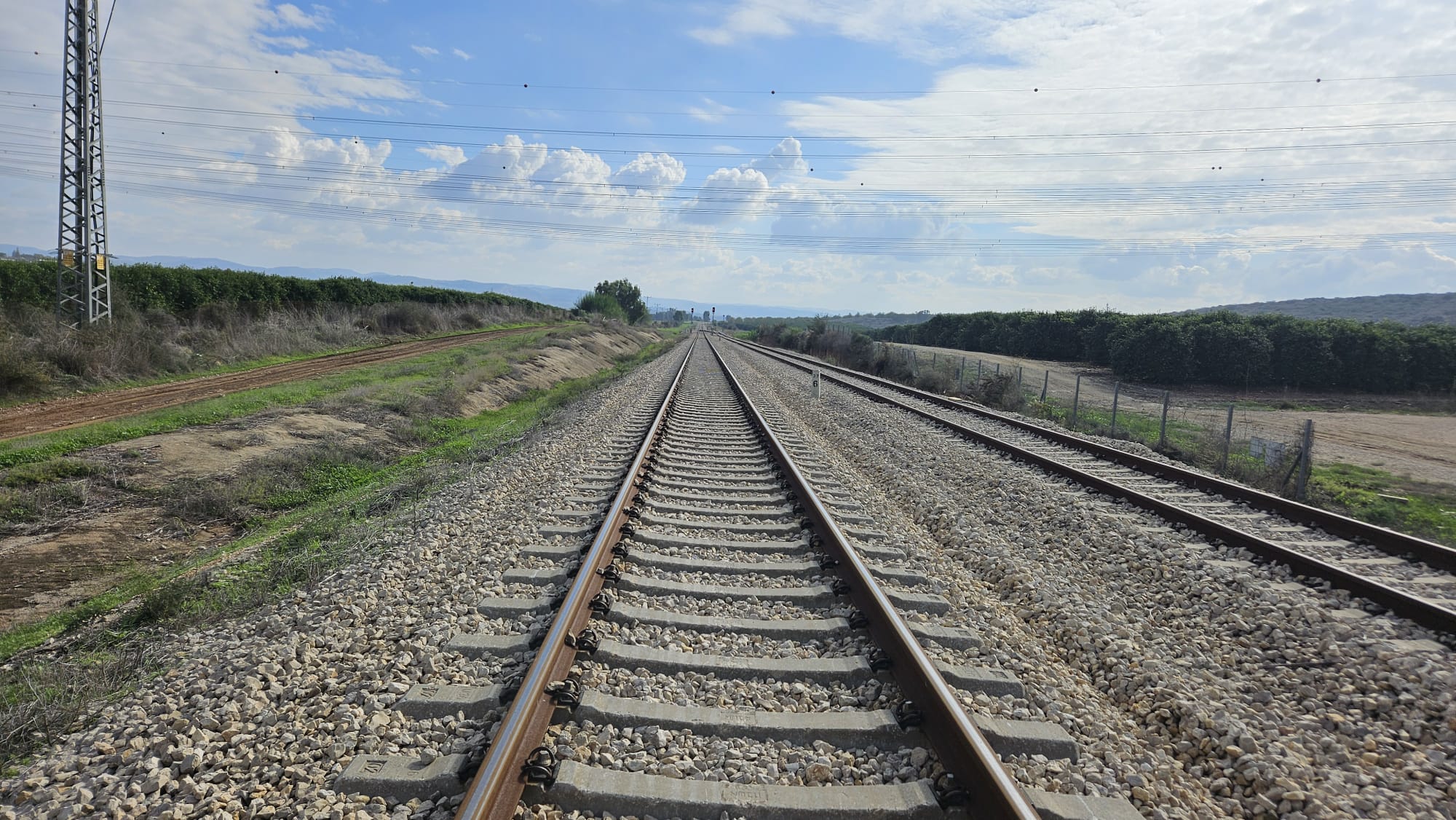 The new railway stretches to the horizon
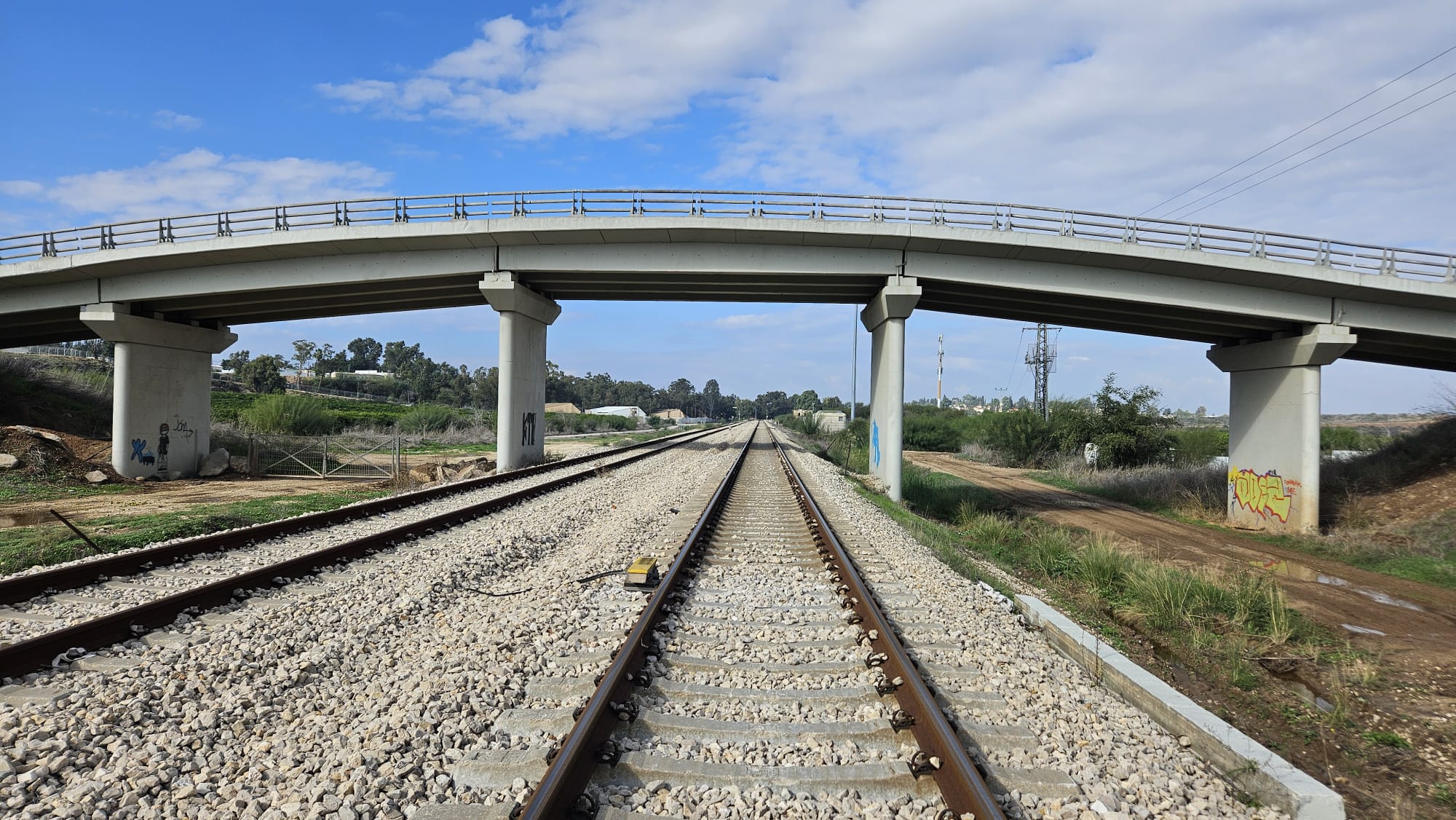 And to the other side underneath a bridge used for agriculture vehicles
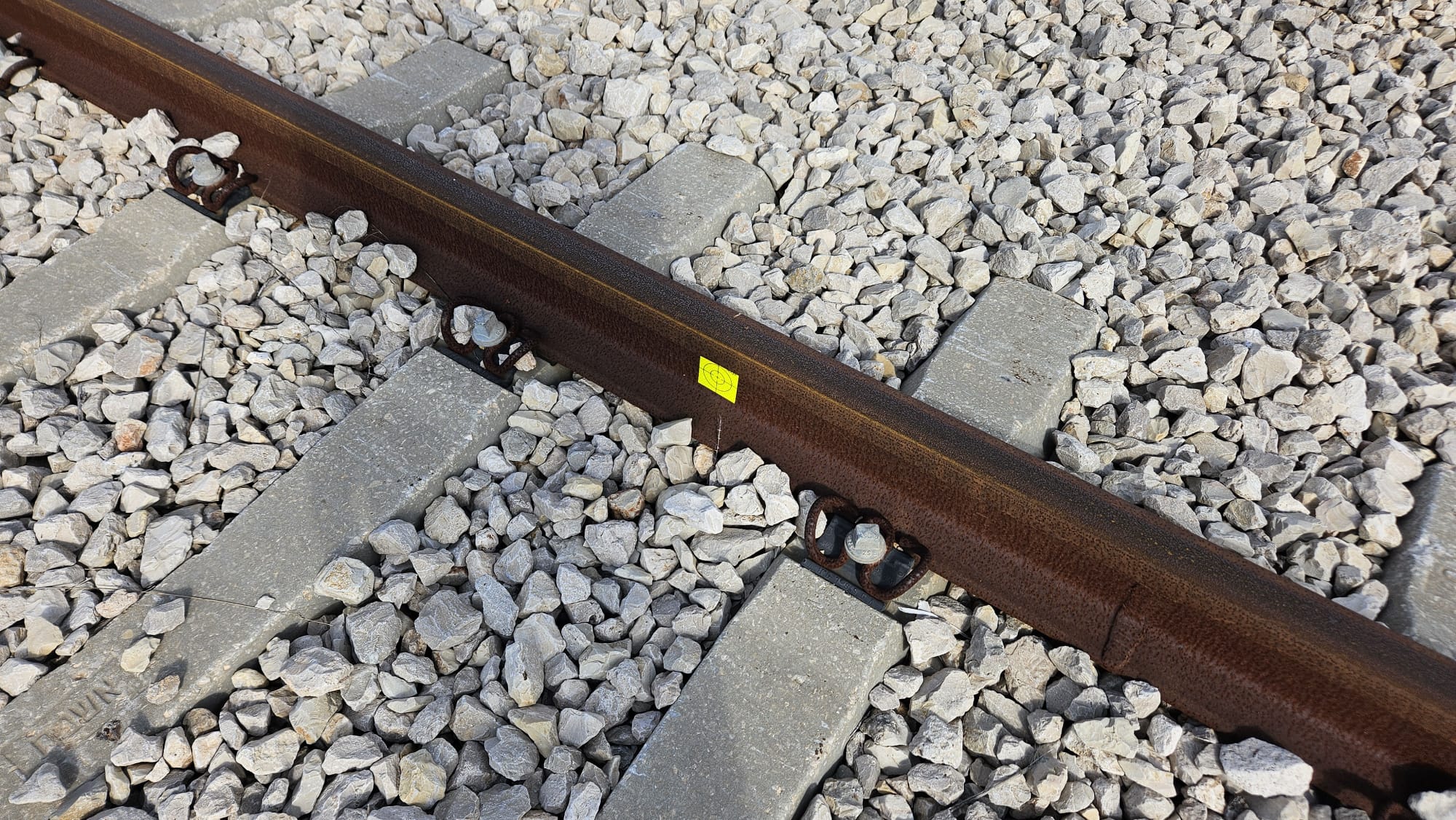 The new railway infrastructure and concrete sleepers, rubber pads, steel clips and full welding of the tracks
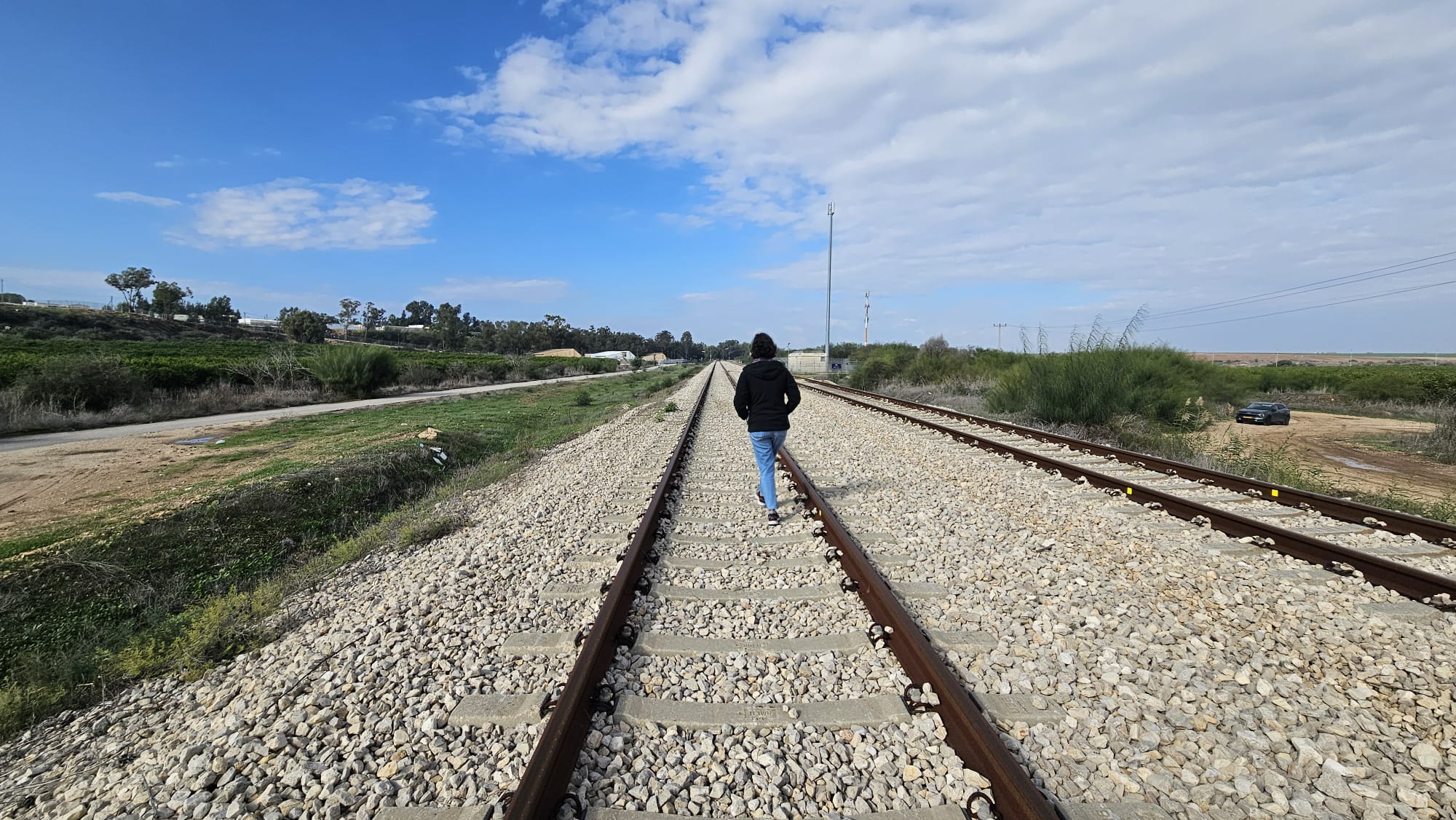 “She always used to walk along the railroad tracks”
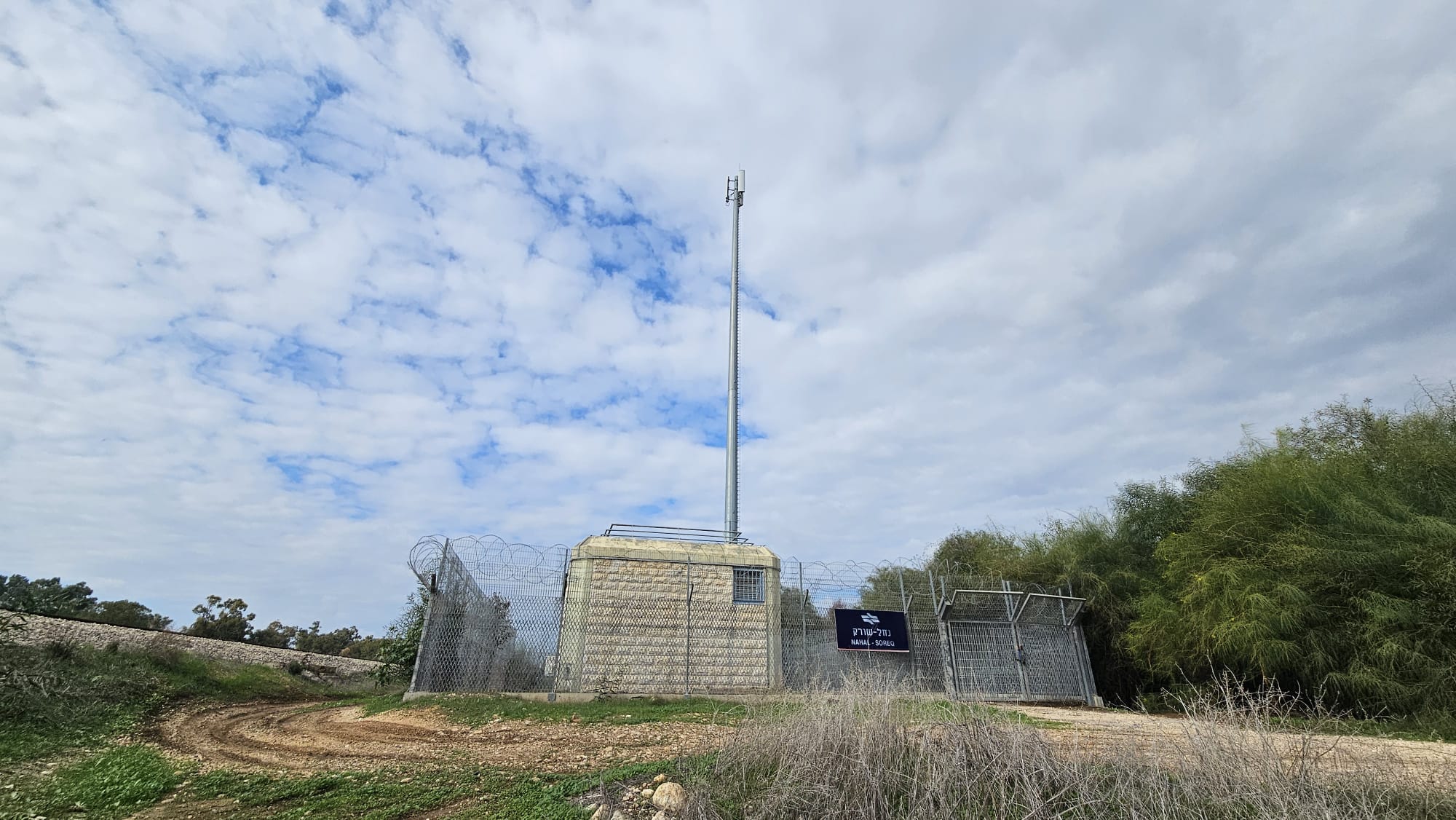 Israel Railway nowadays facility building
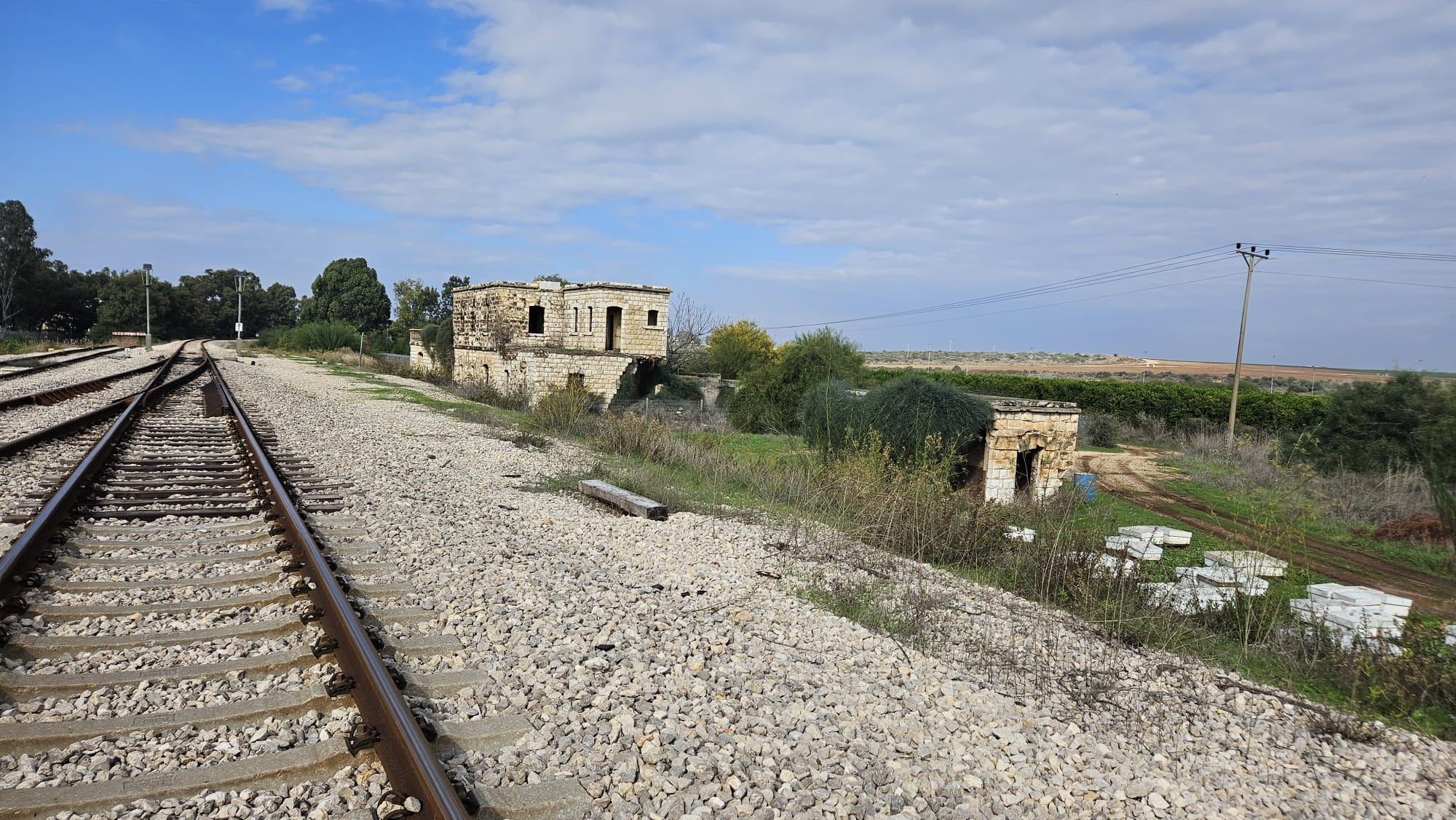 The station building, the secondary building and the new railway track
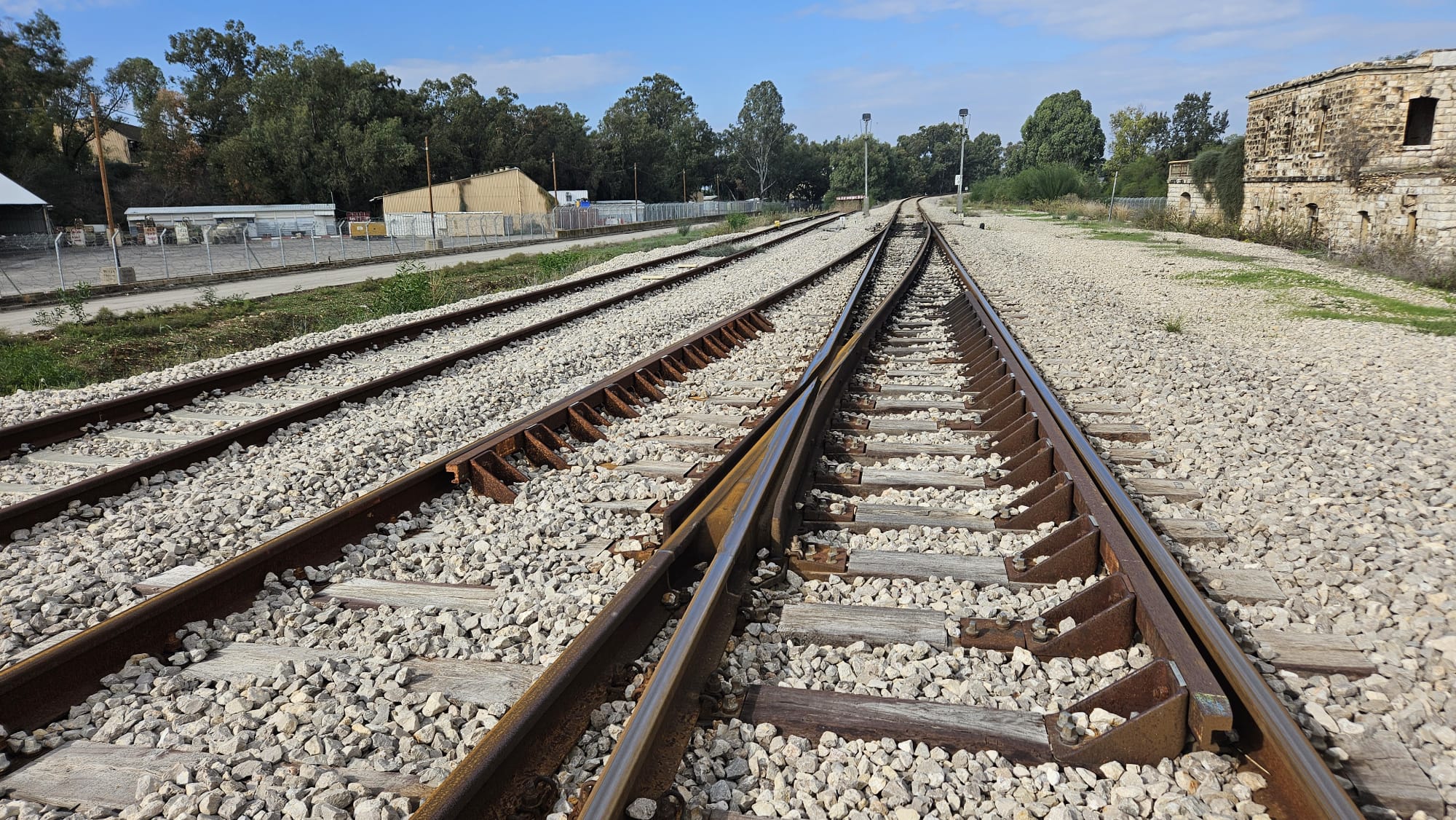 The railway track frog point
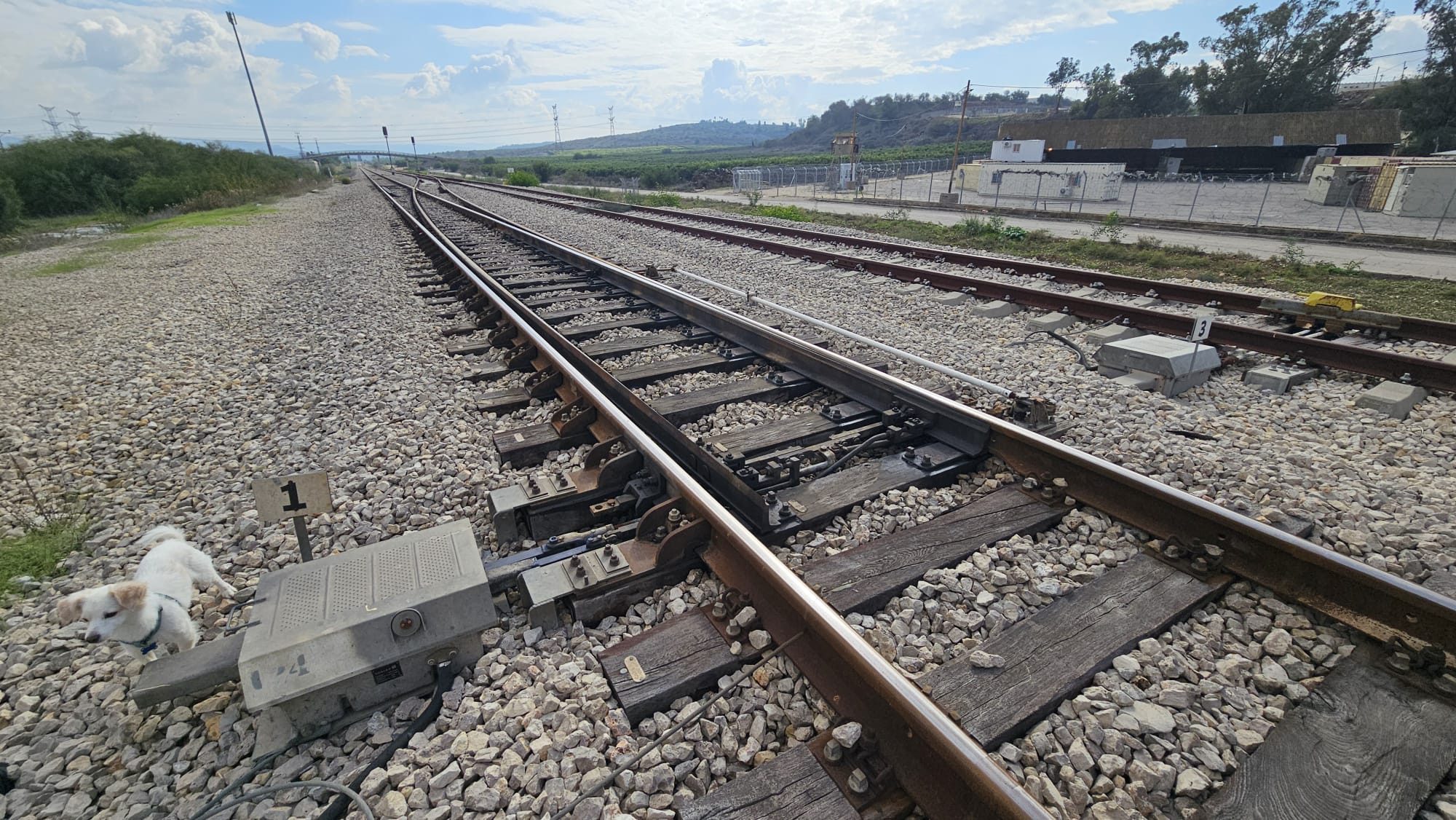 And the system controlling the frog point
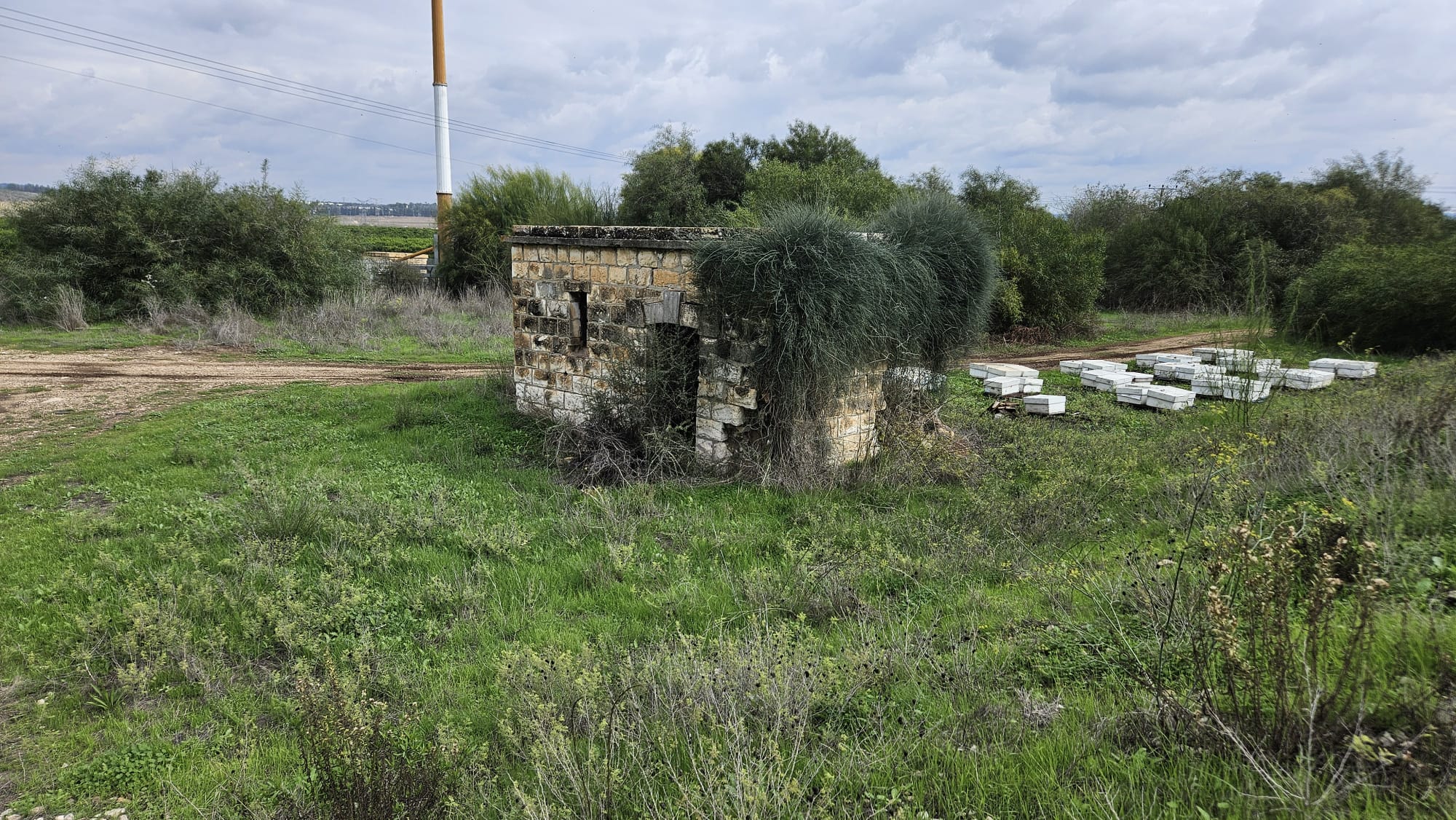 Secondary building (it usually considered as the house of the station manger) and the beehives
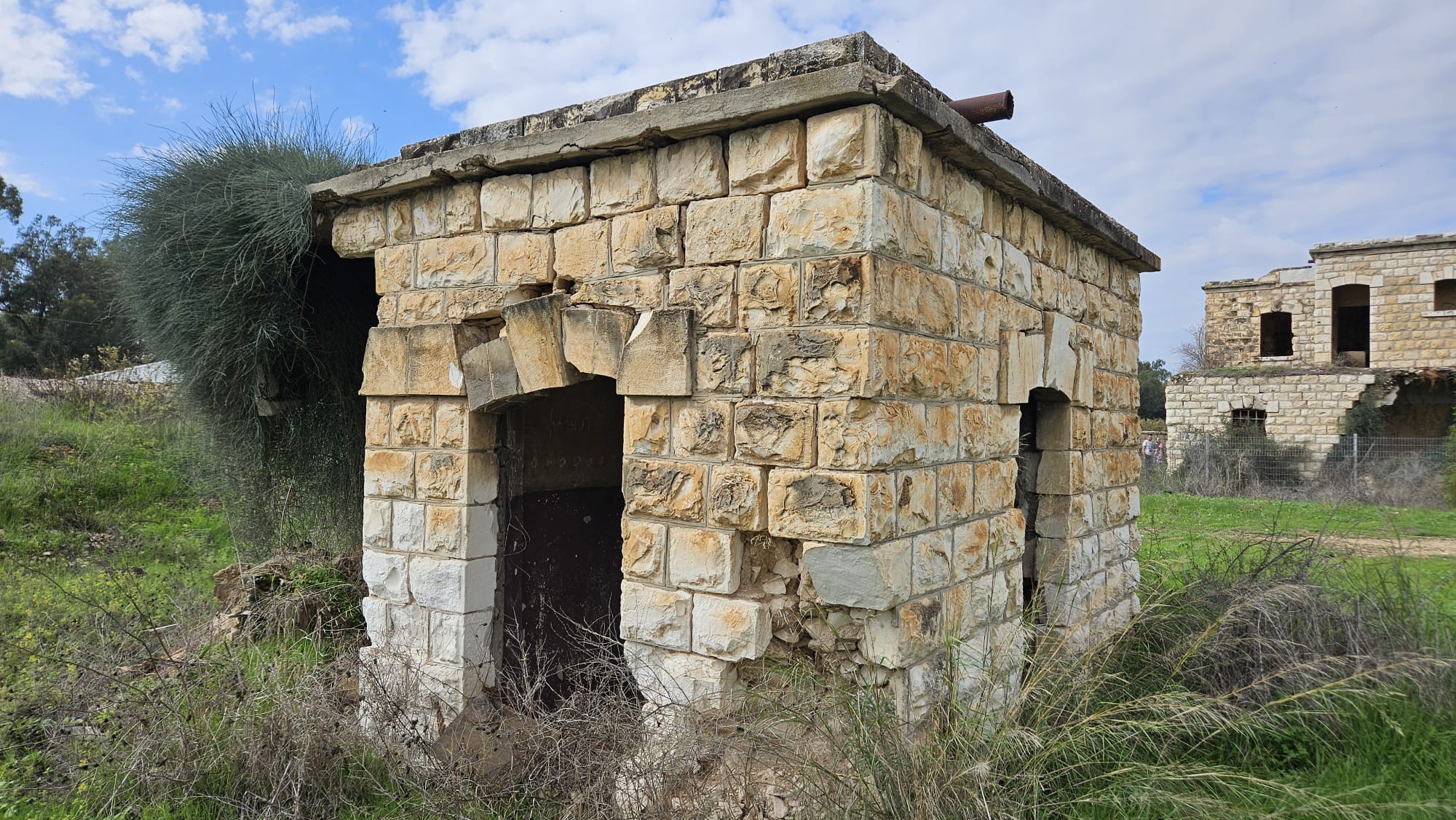 The station manager house
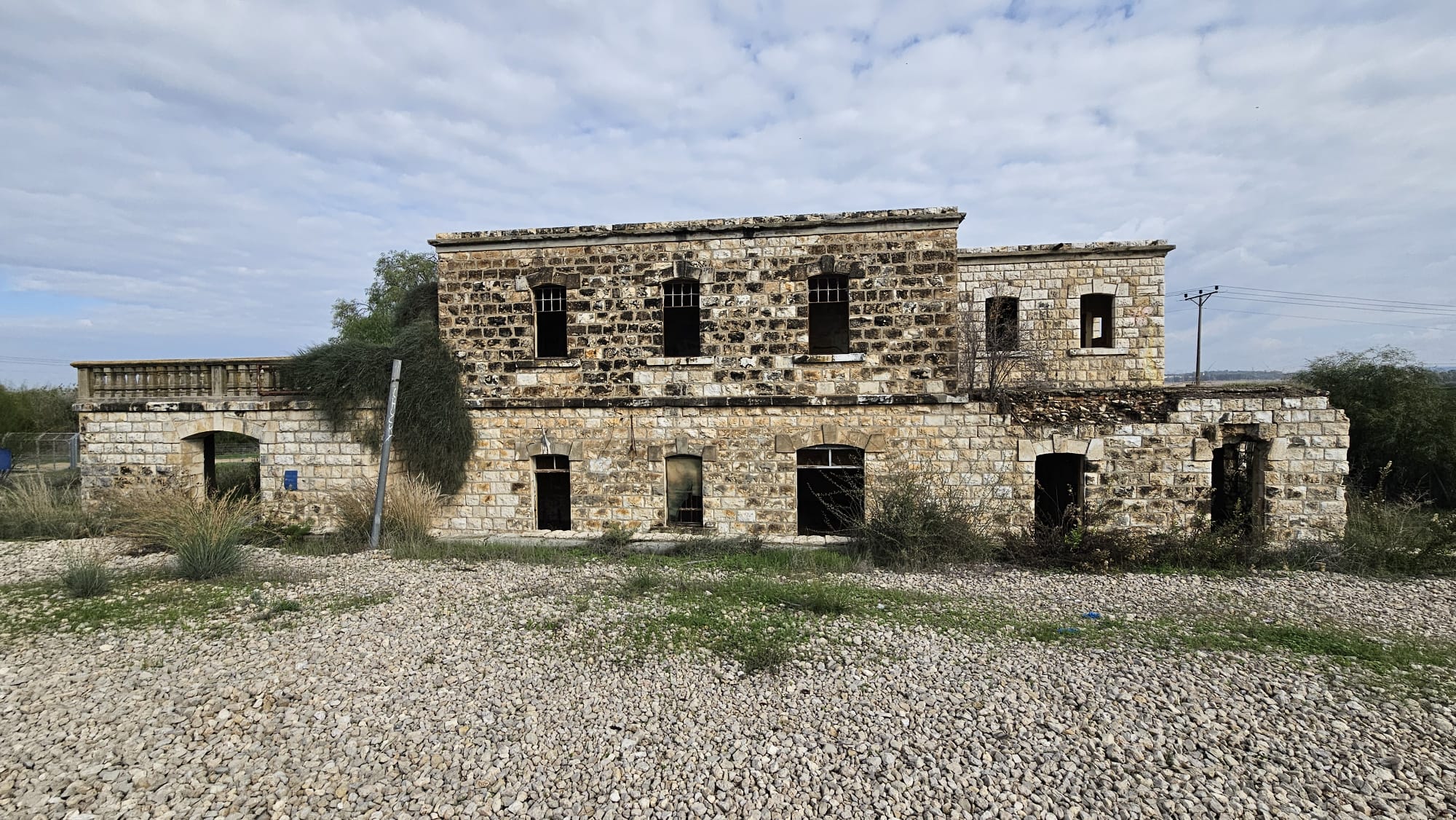 The station building back side (south)
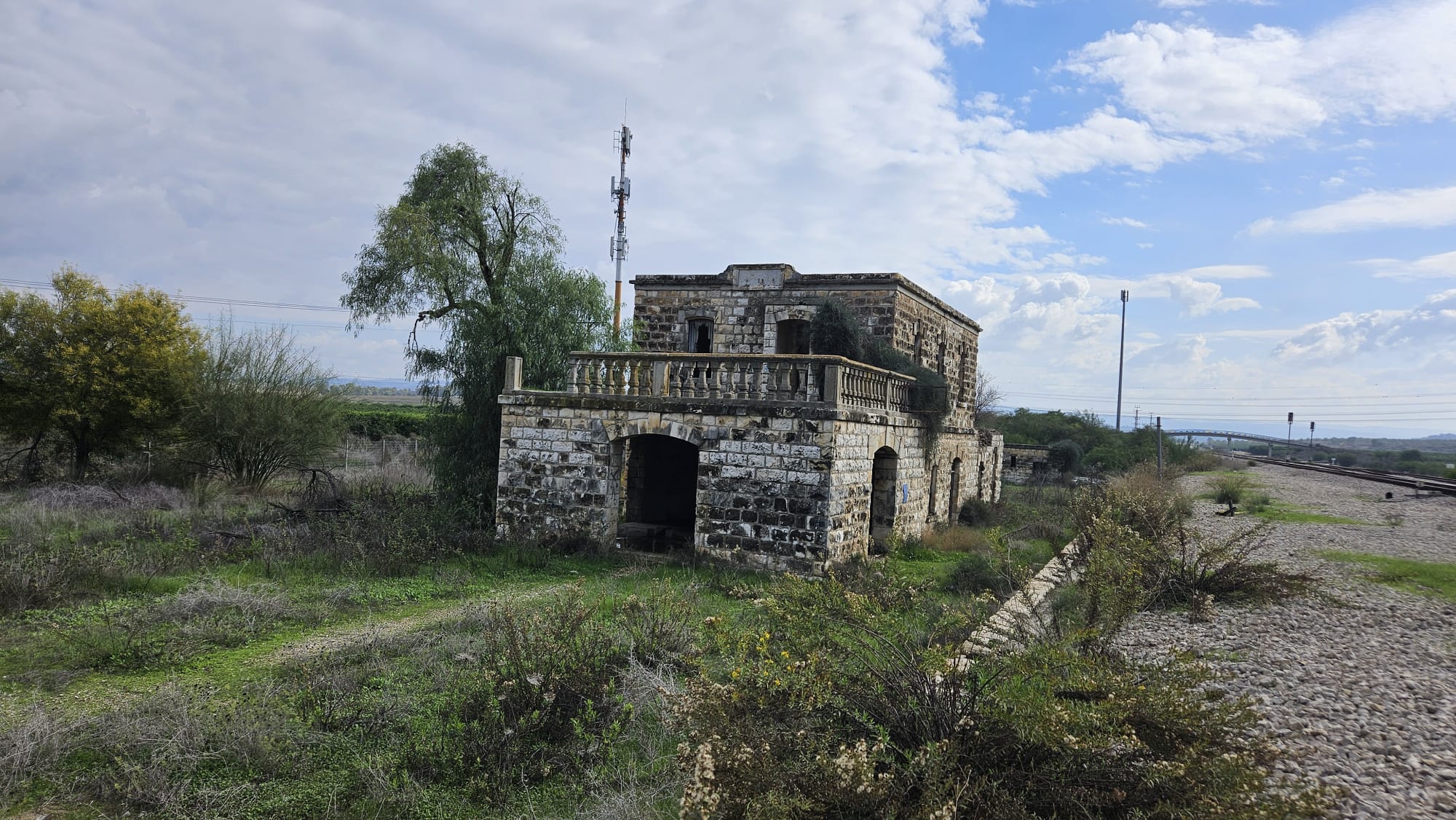 And side (West)
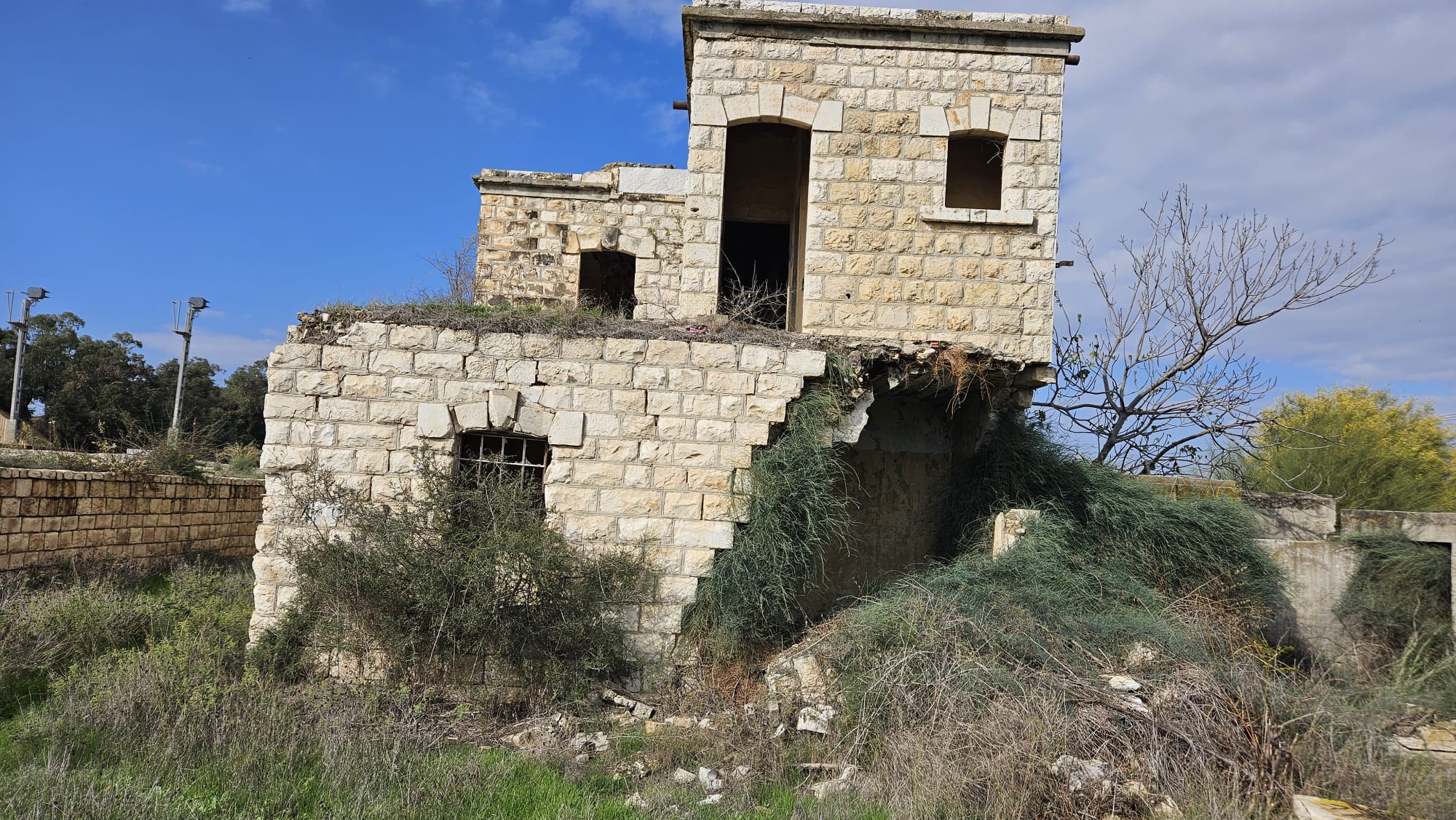 And the other side (east)
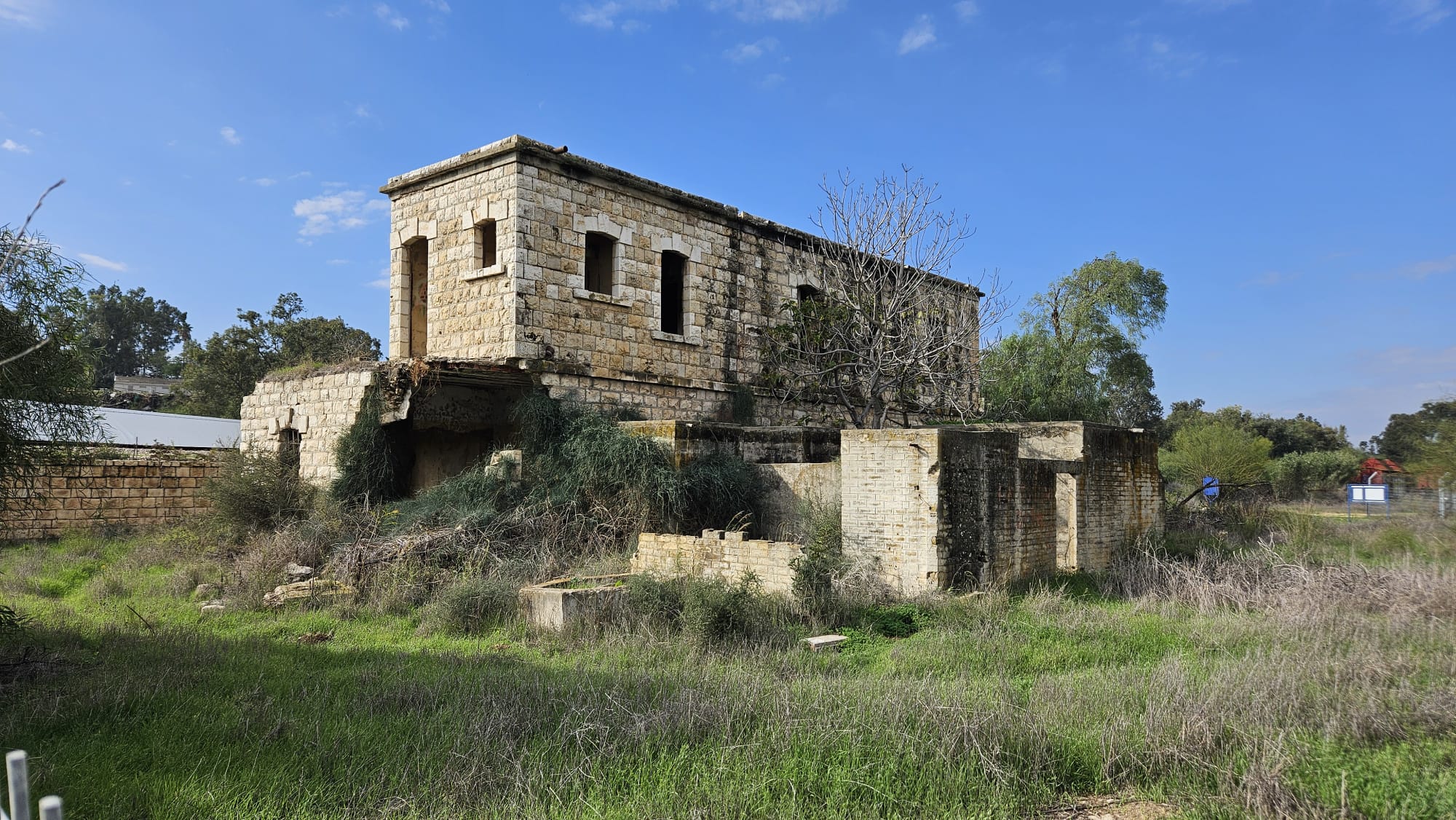 The station building north east corner (you can see the well)
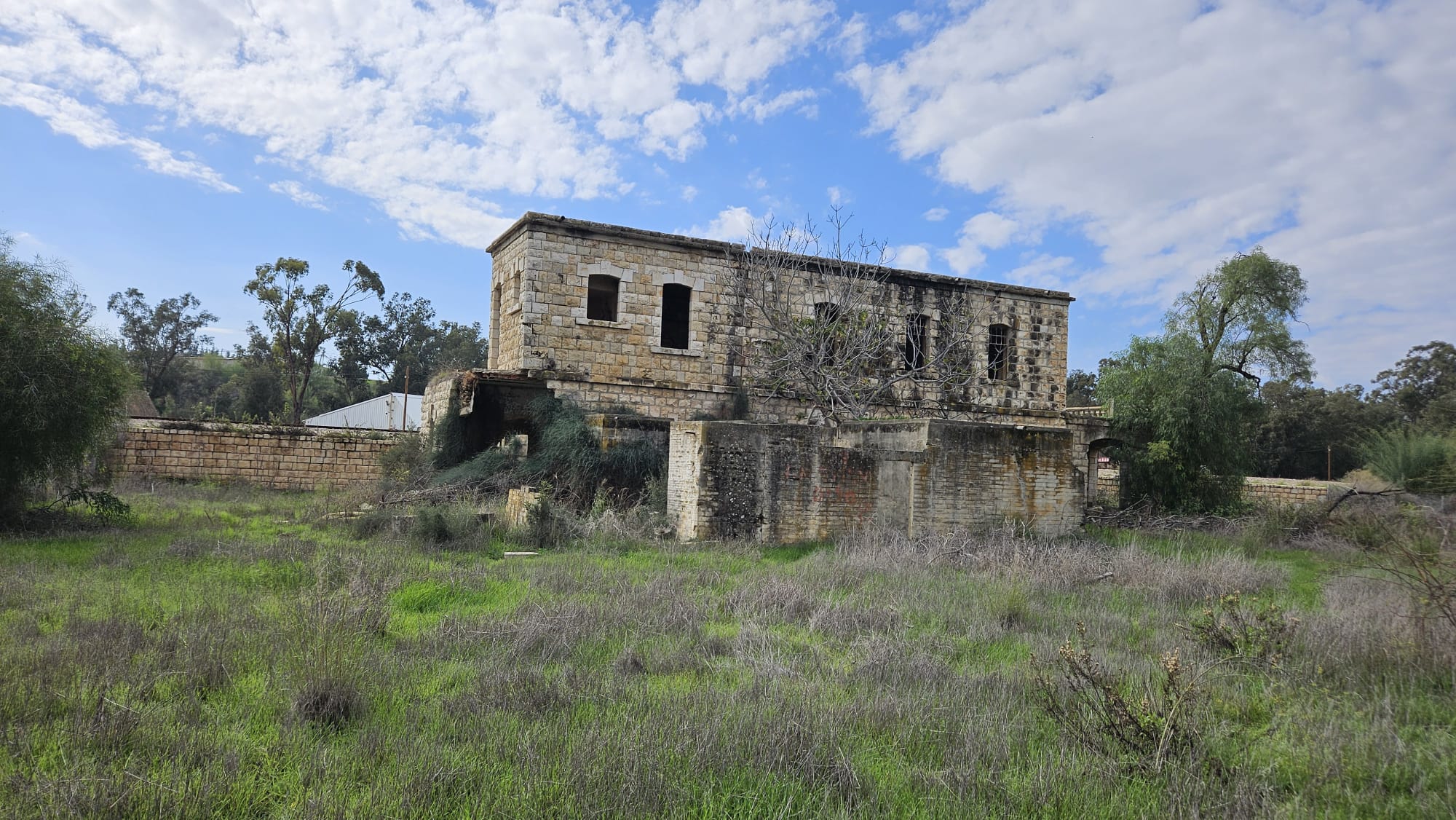 The station building front (north). The original facade is covered with newer buildings that hide it.
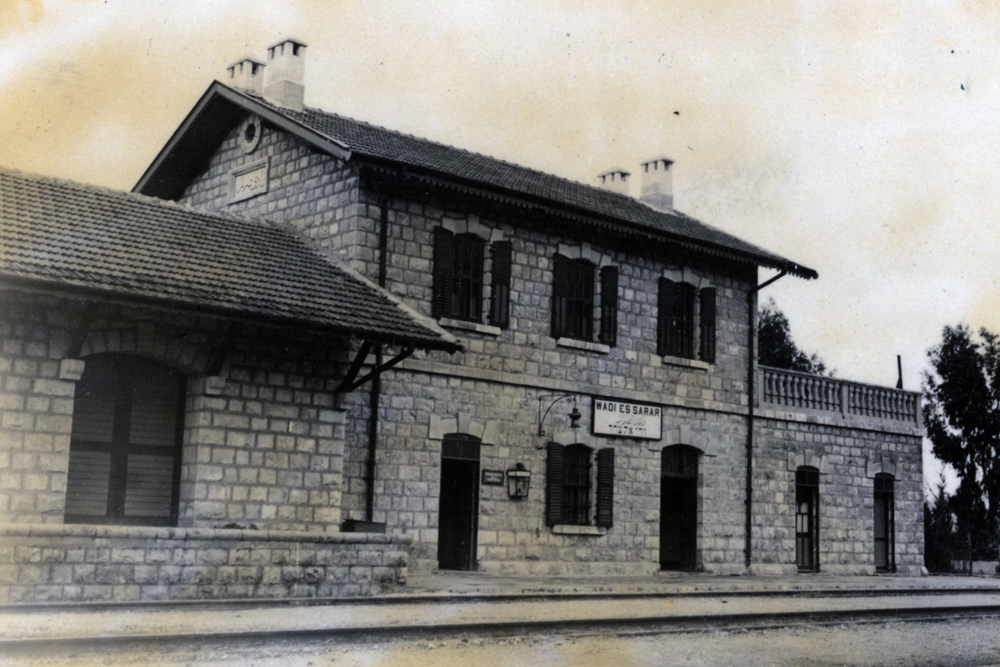 The Ottoman railway station at Nahal Sorek (Wadi Sarar) as it was documanted in a report of the engineer of Lod from 1936 (Source: www.mapah.co.il)
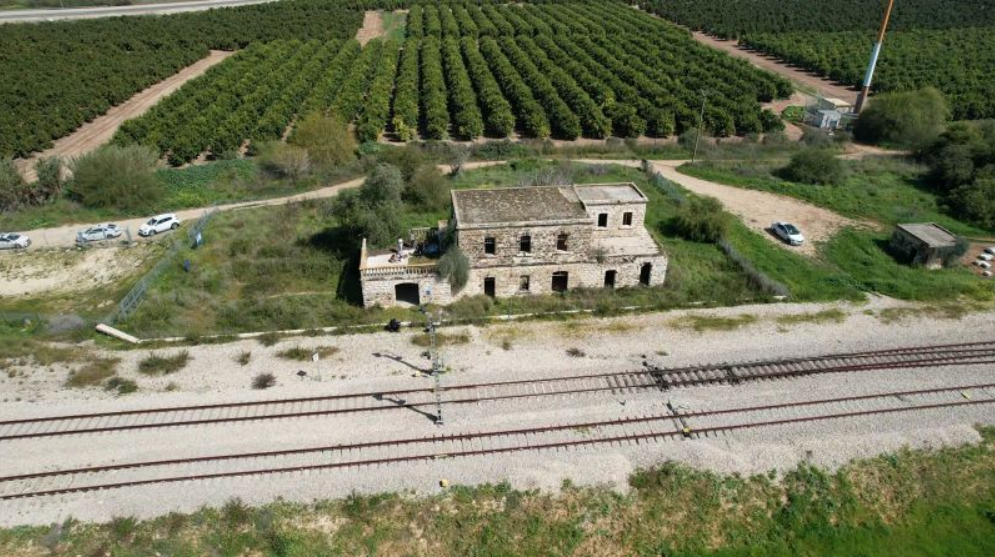 Areal view of the station (Source: AmudAnan.co.il). It was originally built with slopped tile roof, but after it was damaged in its conquer, the roof was replaced with a flat concrete roof (as the British did in many other station, such as Beer Sheva, Tul-Karem….)

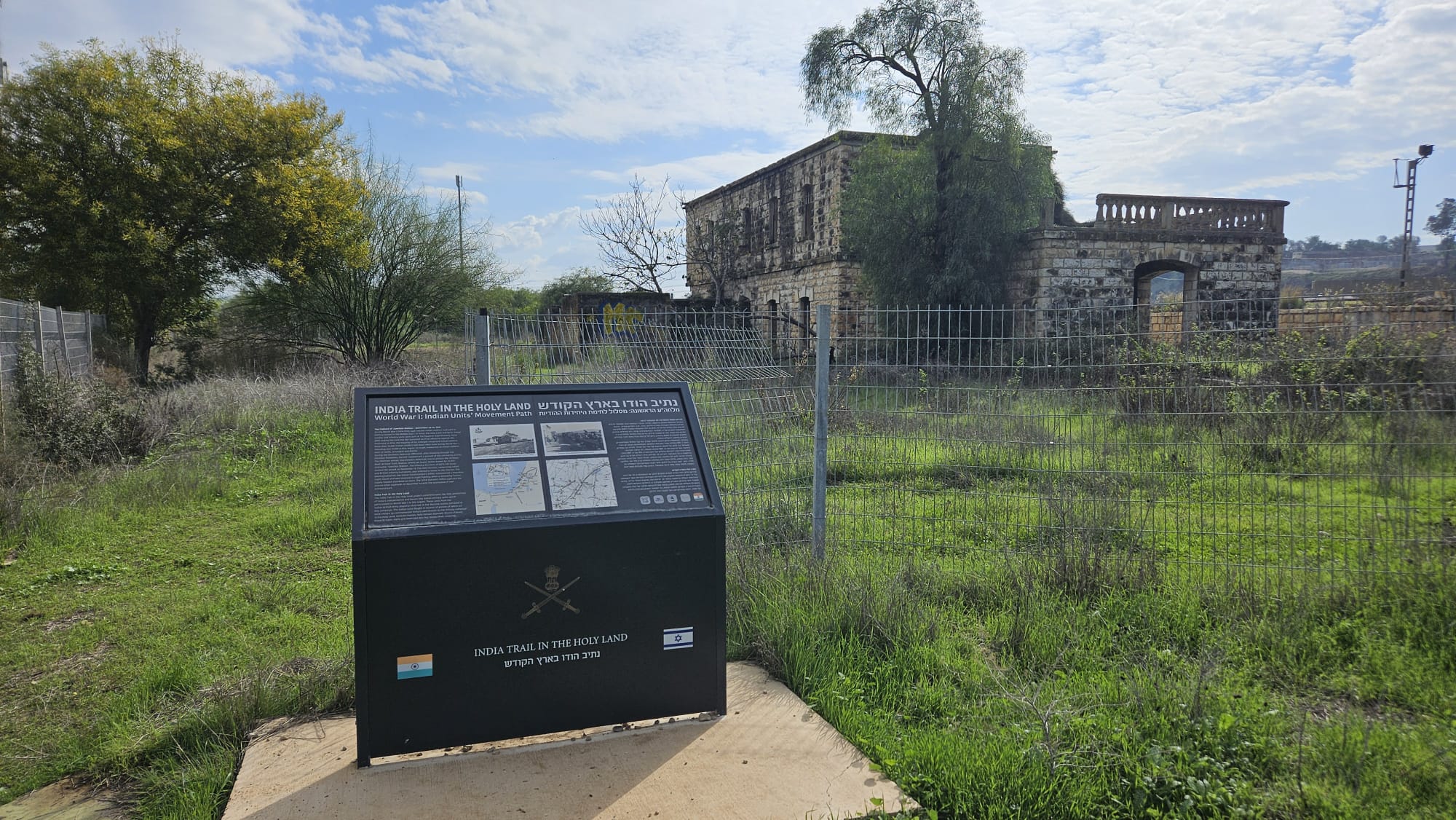 Signs and the building
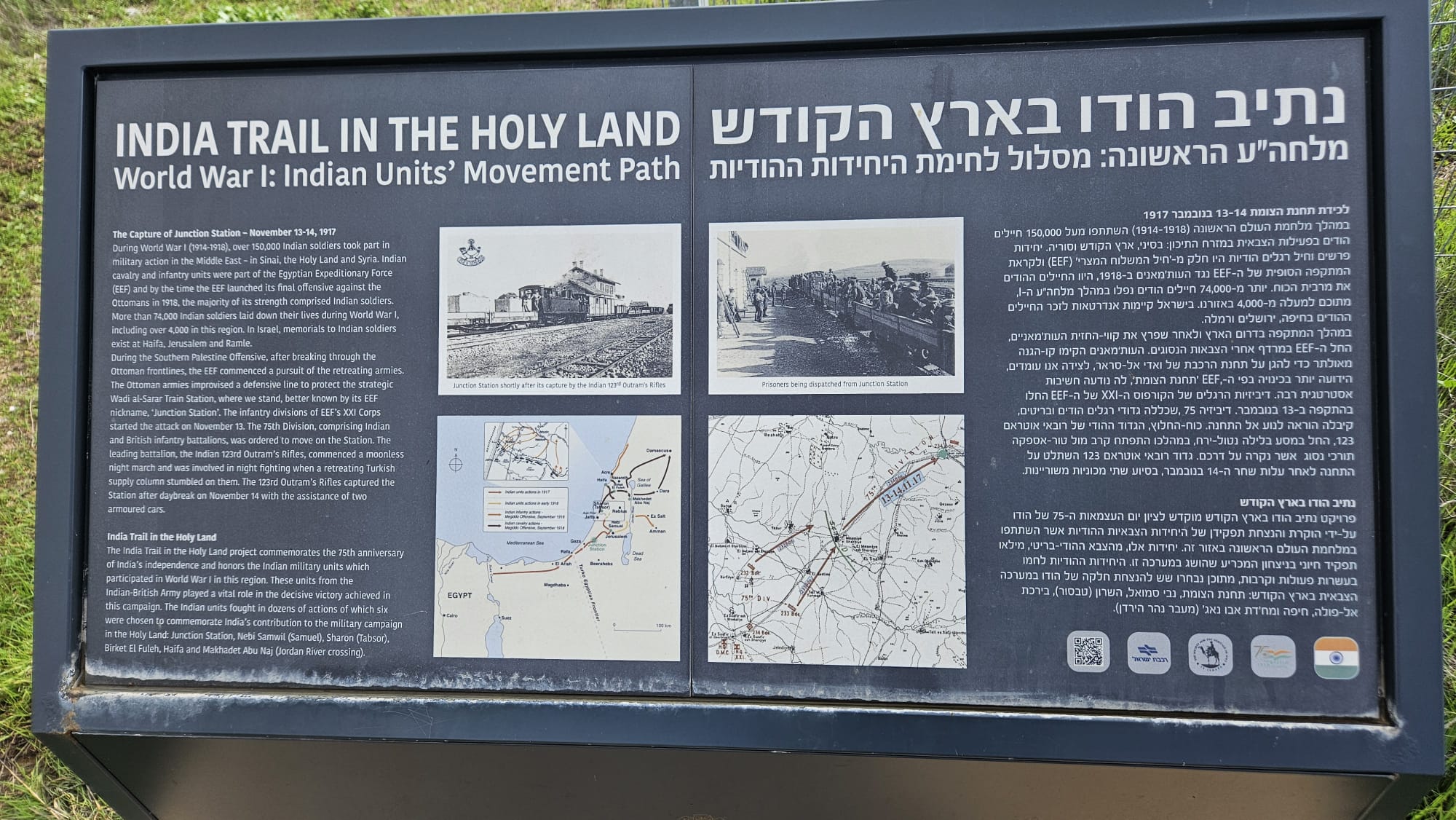 India trail in Holy Land, World War I: Indian Units’ Movement Path (link to the site in the QR code)
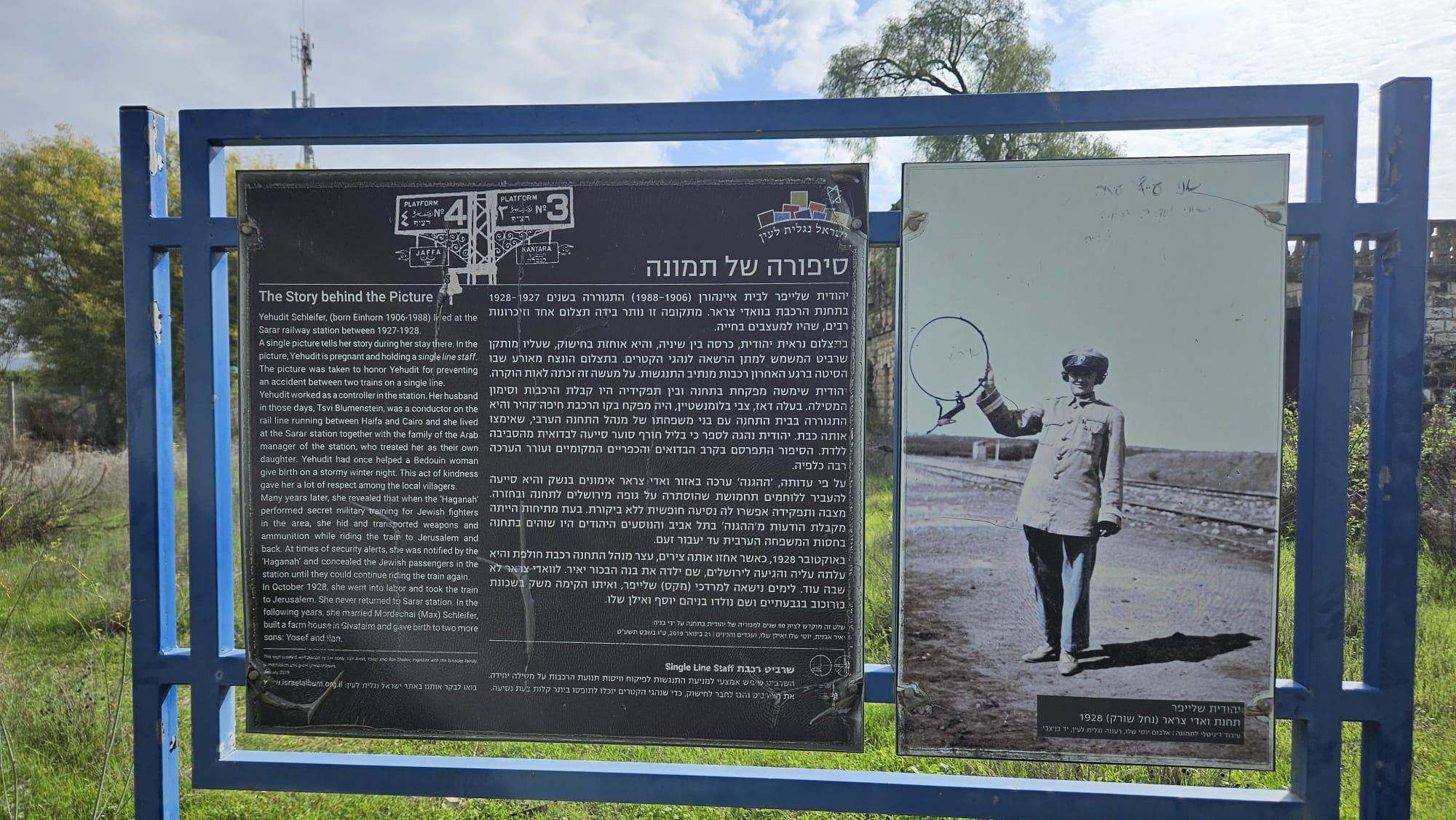 The story behind the picture – Yehudit Schleifer (born Einhorn 1906-1988) lived in Sarar railway station between 1927-1928
The Ottoman railway station at Nahal Sorek (Wadi Sarar) – an accessible sign of the Council for Conservation of Heritage sites in Israel
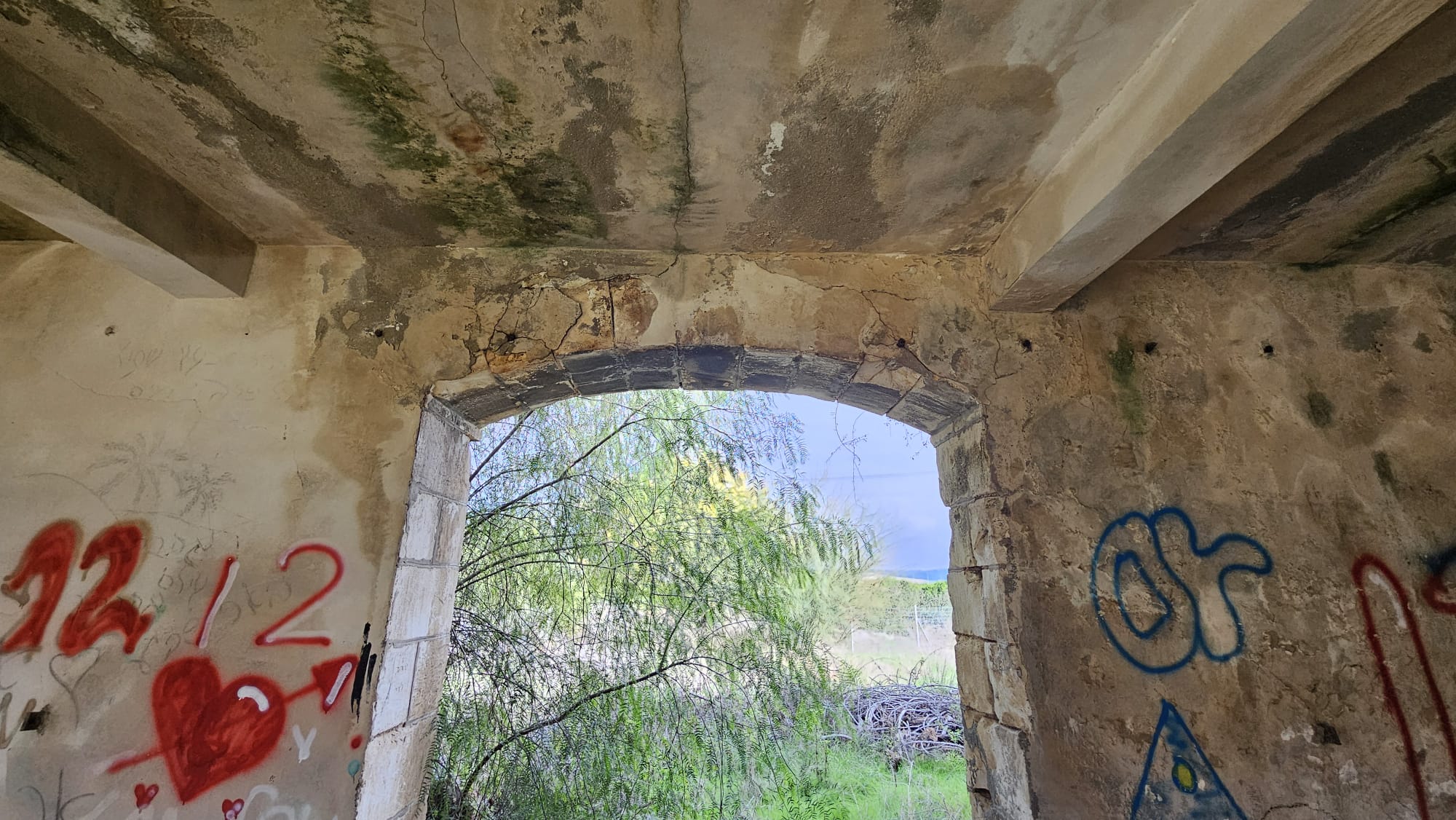 Inside the station building
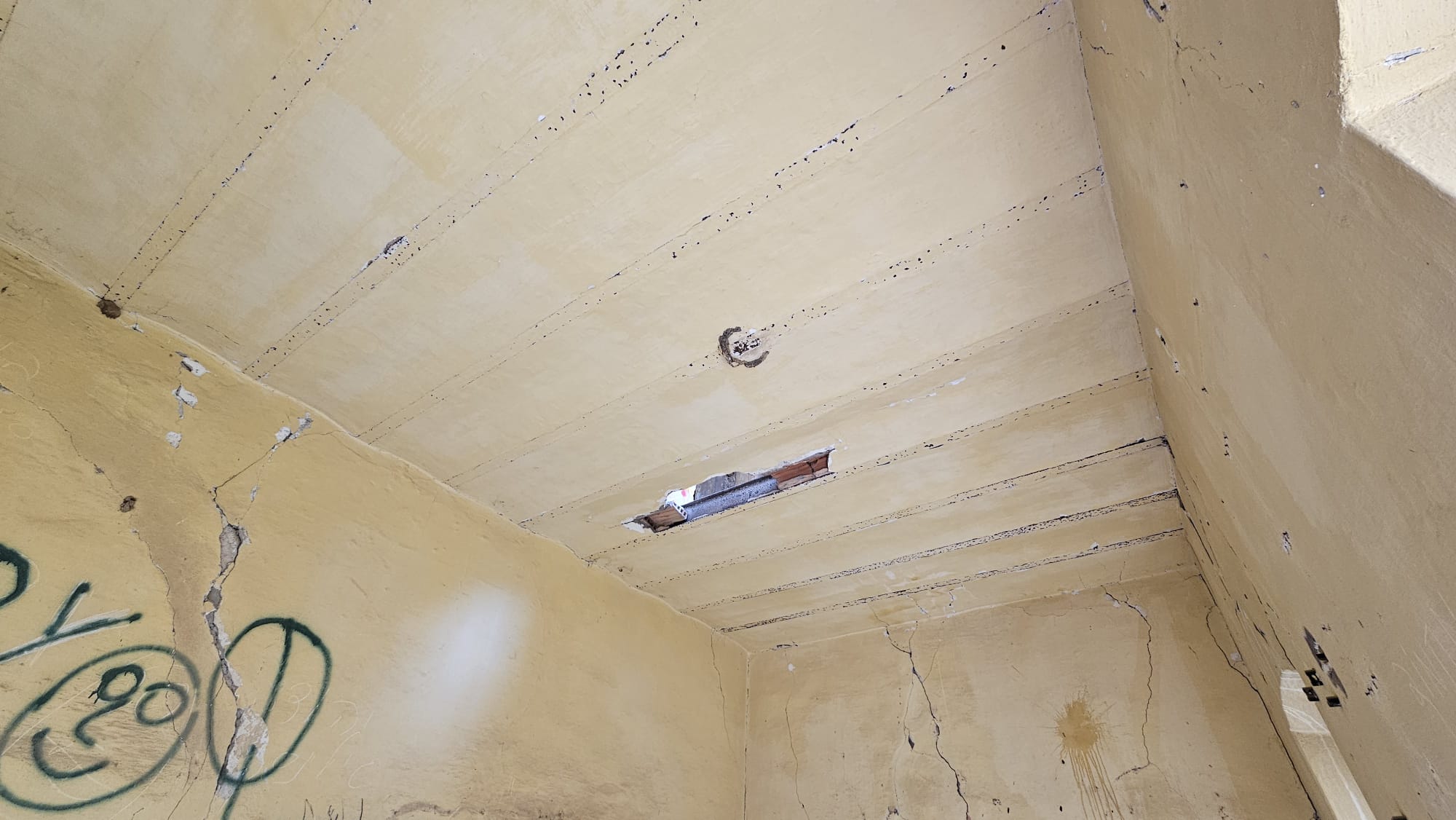 Here you can clearly see how the ceiling of this building were built – steel beam and masonry in between them.
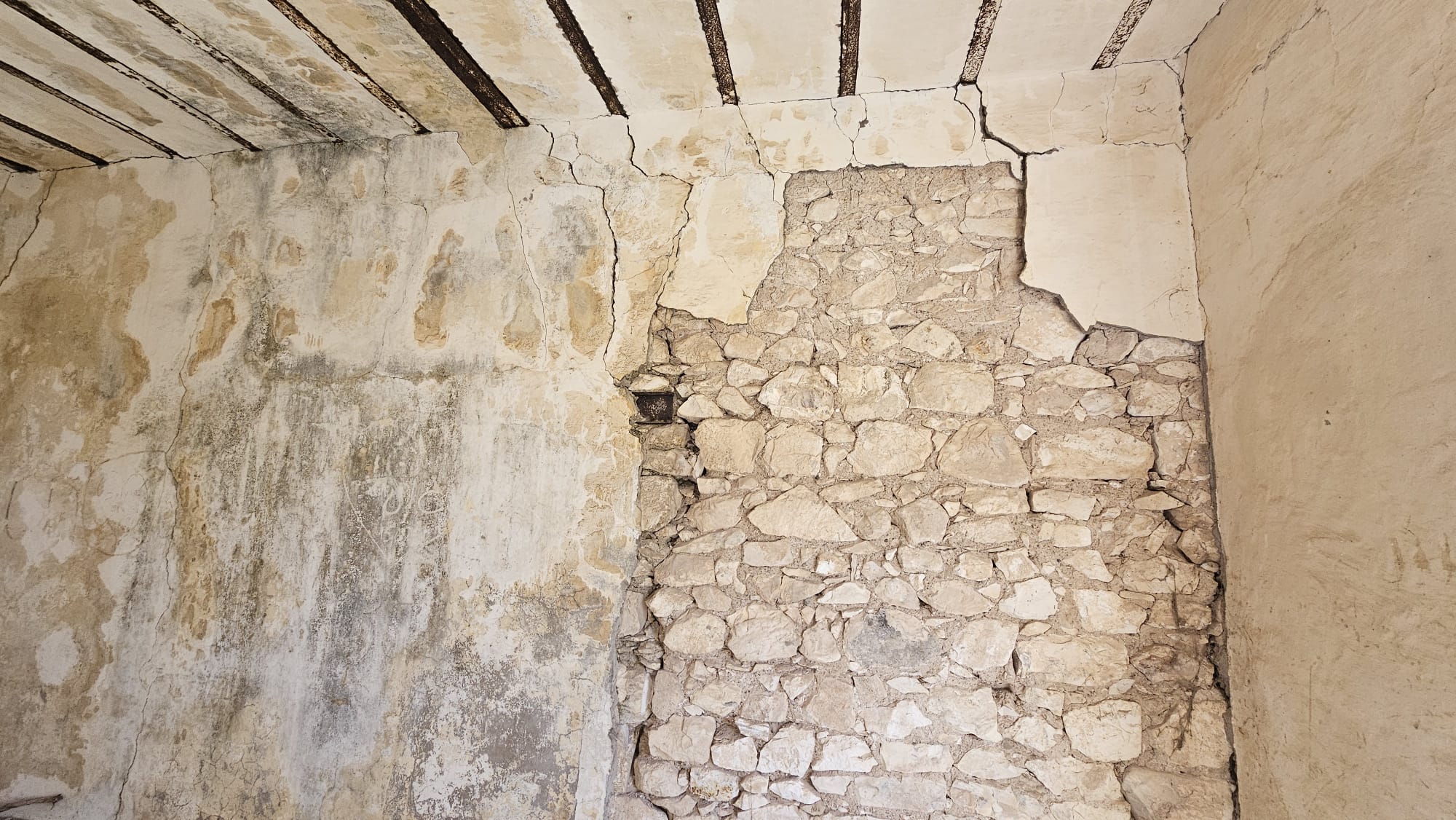 And this is how the walls were built – large stones with almost no cement in between.
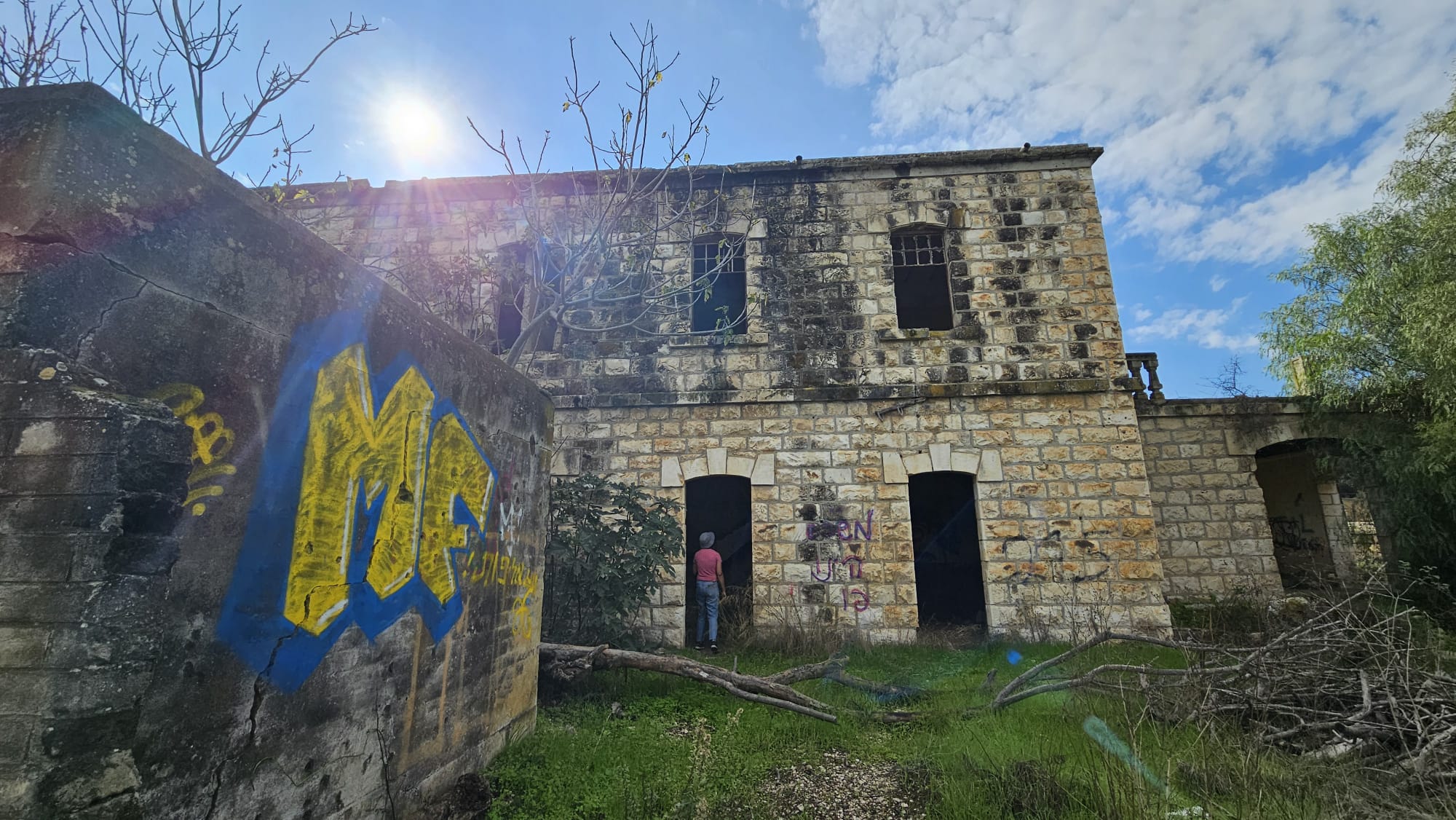 The front and the door to the staircase
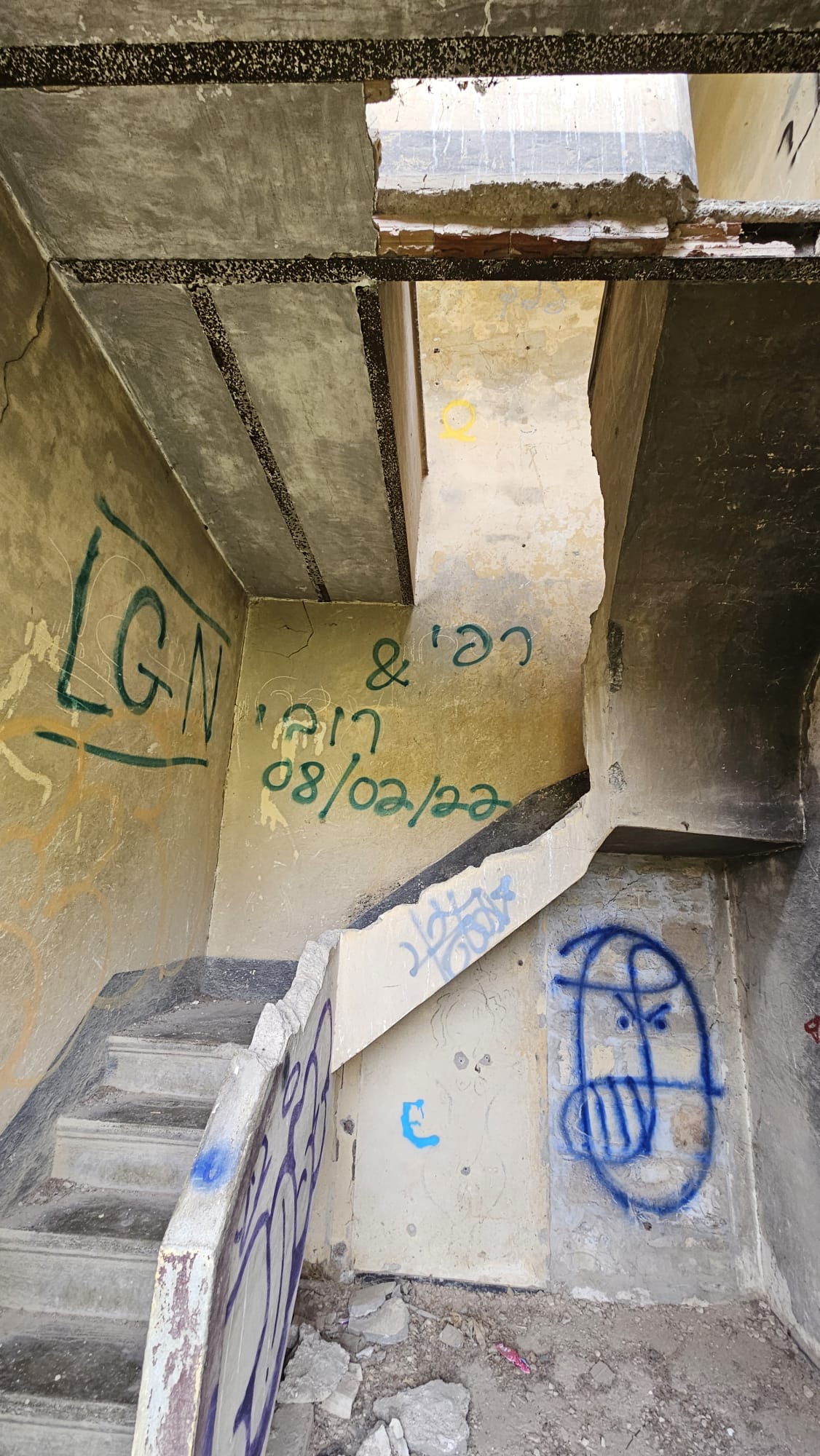 The staircase to the 1st floor
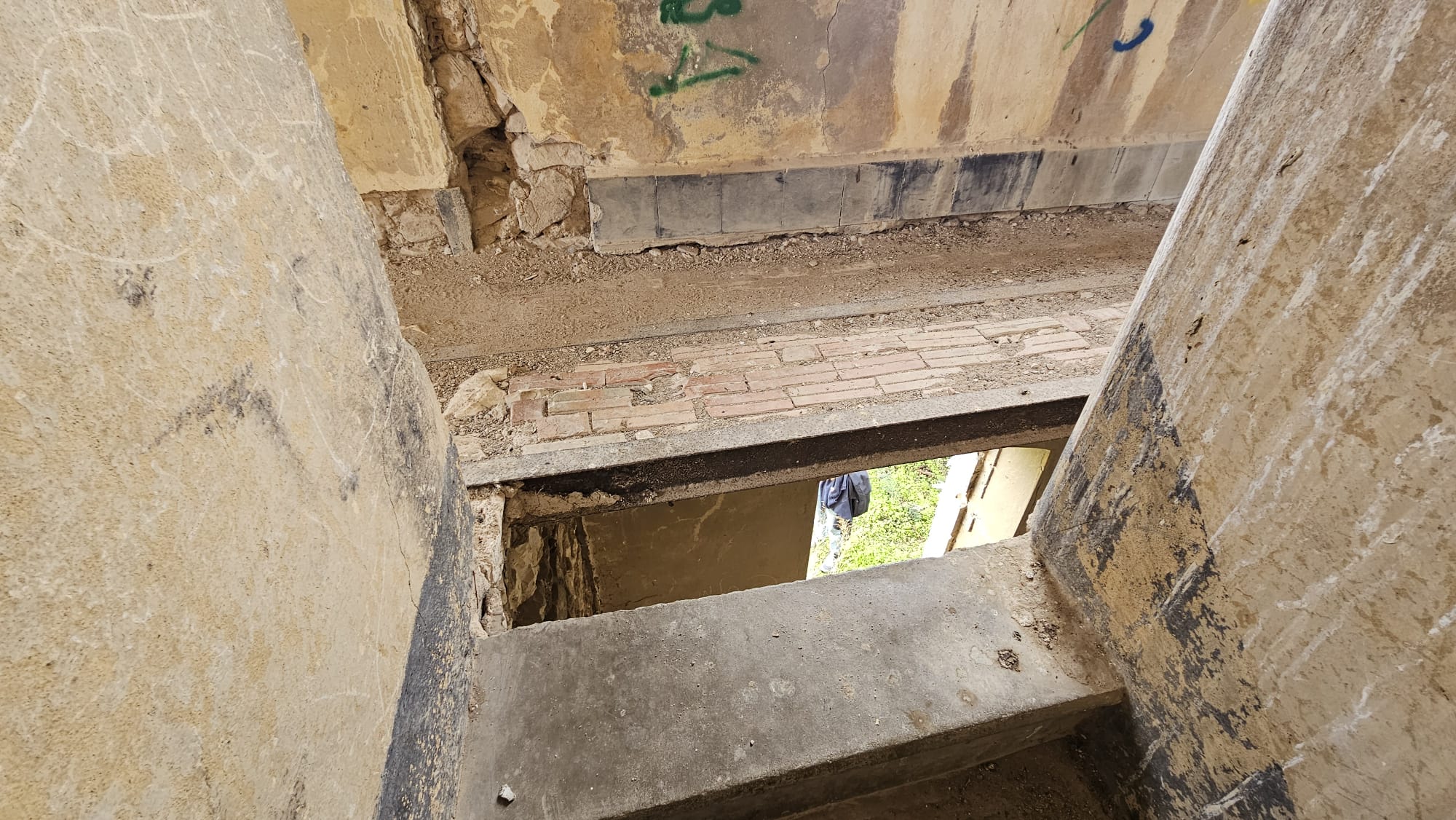 If you climb up, watch your step as you go…
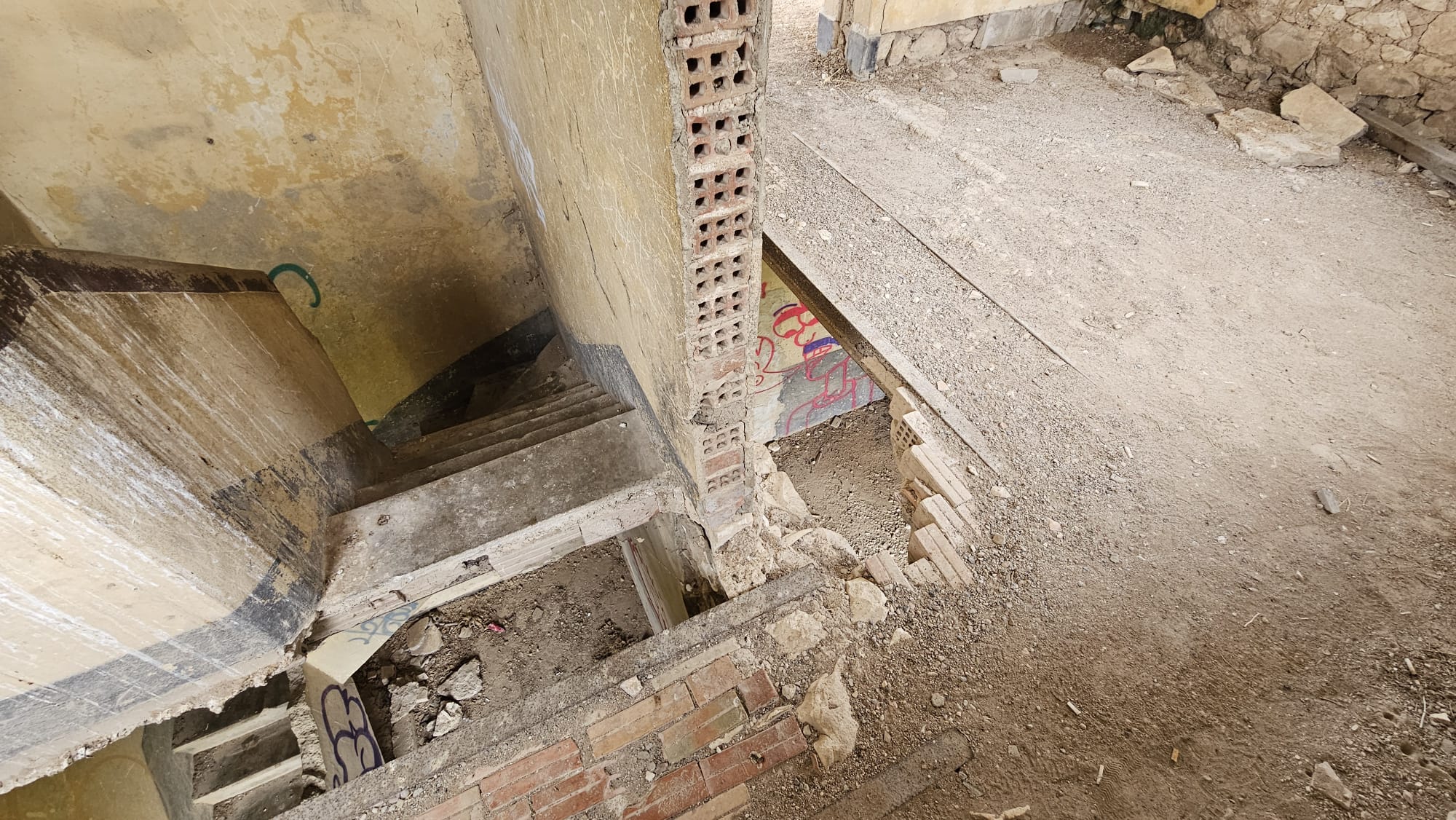 Even more clear view of the way the station was built
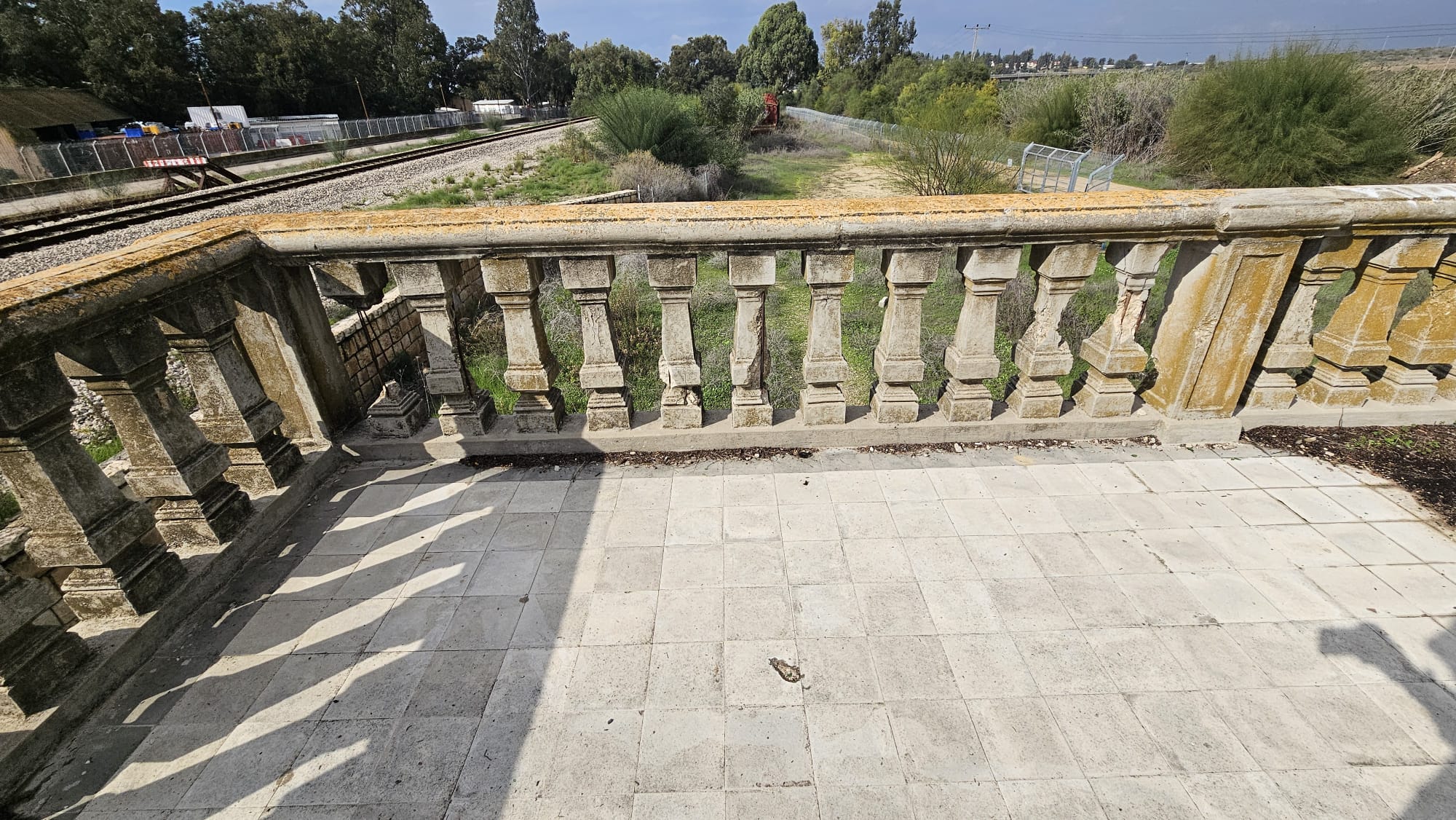 The balcony to the west, it seems to be something hidden between the trees
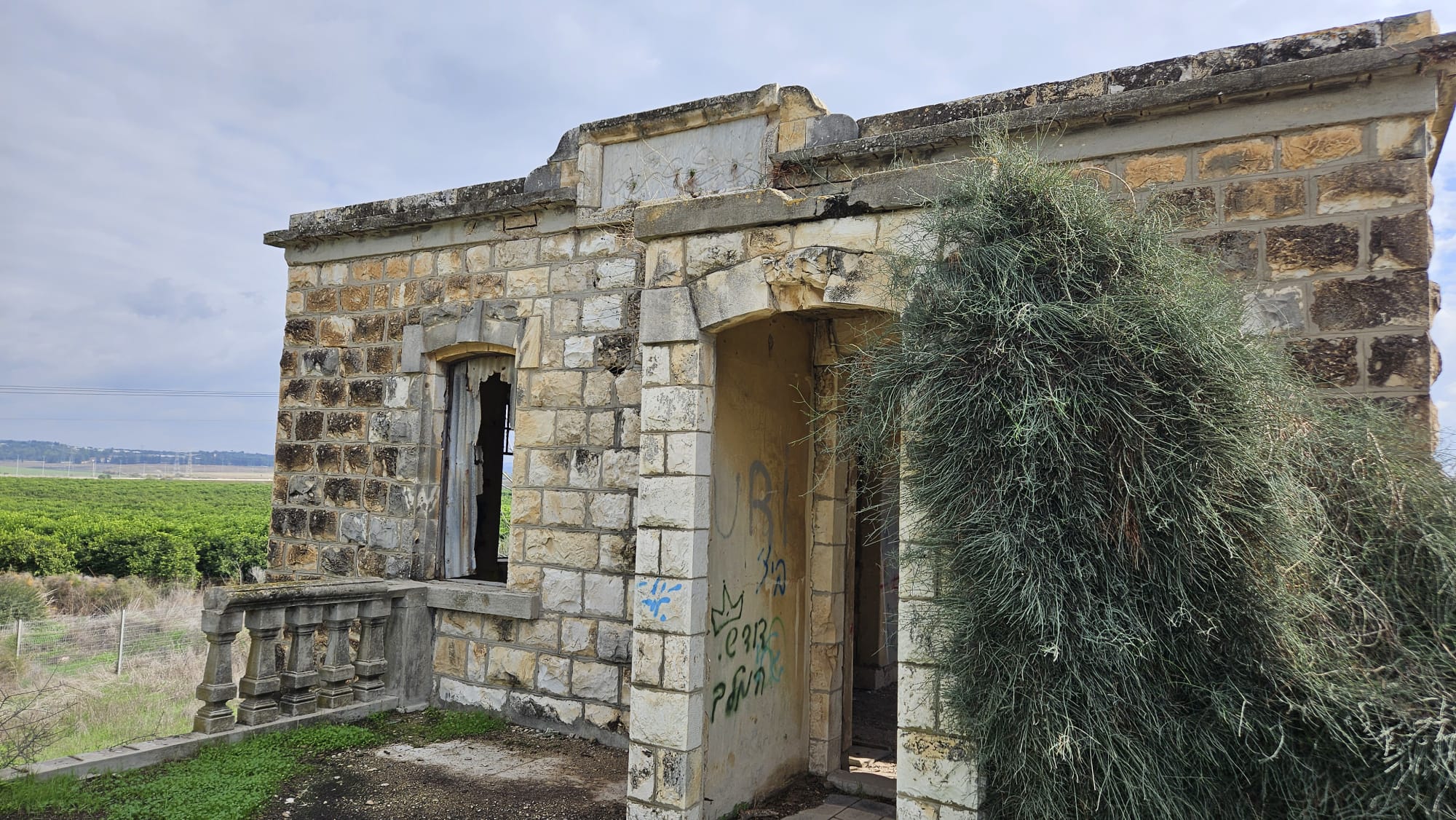 East side and stone plate with the name of the station in Arabic.
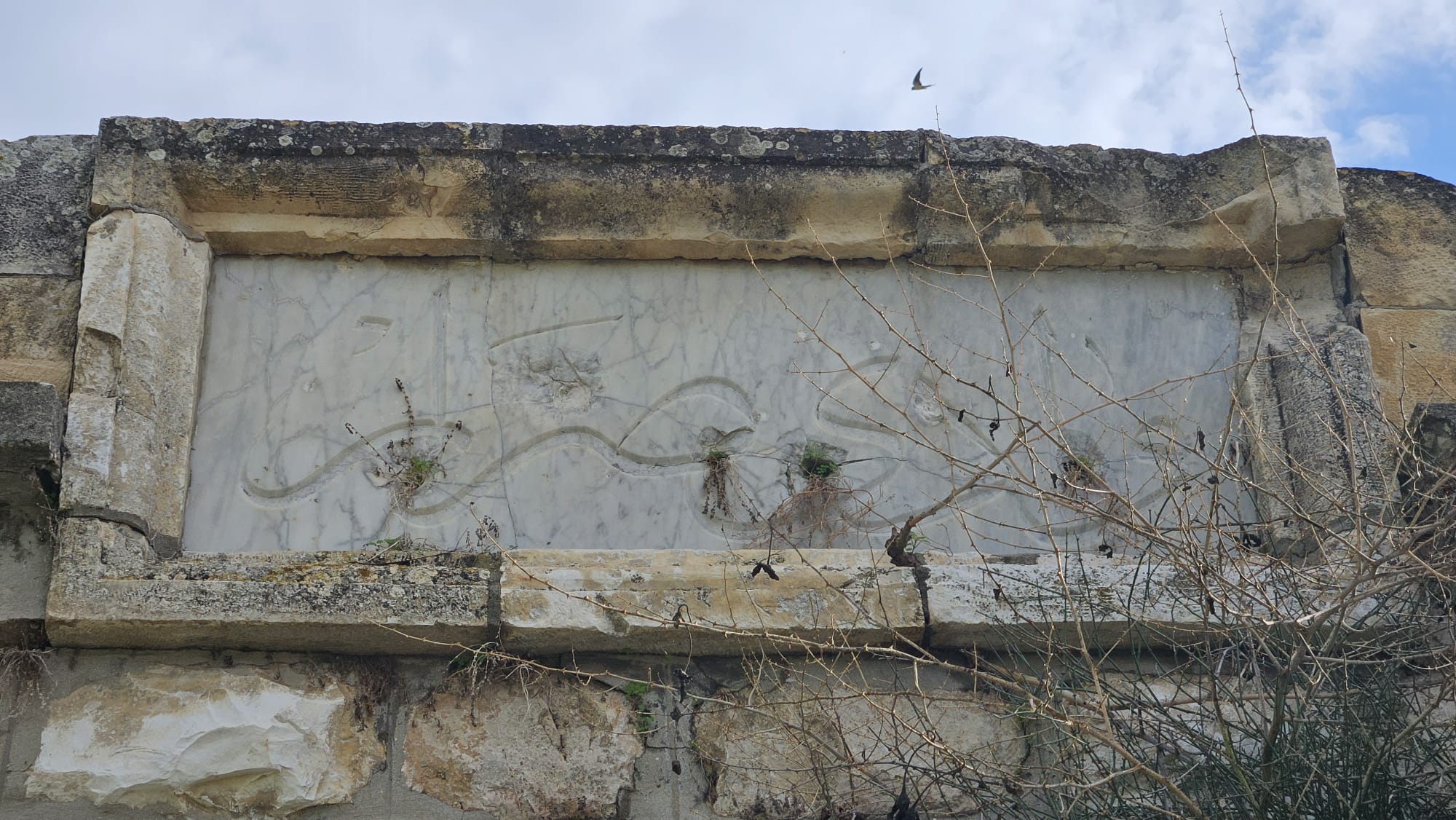 Wadi Sarar. Till 1931 the name on the station was Nahal Sorek, and then replaced to Wadi Sarar.
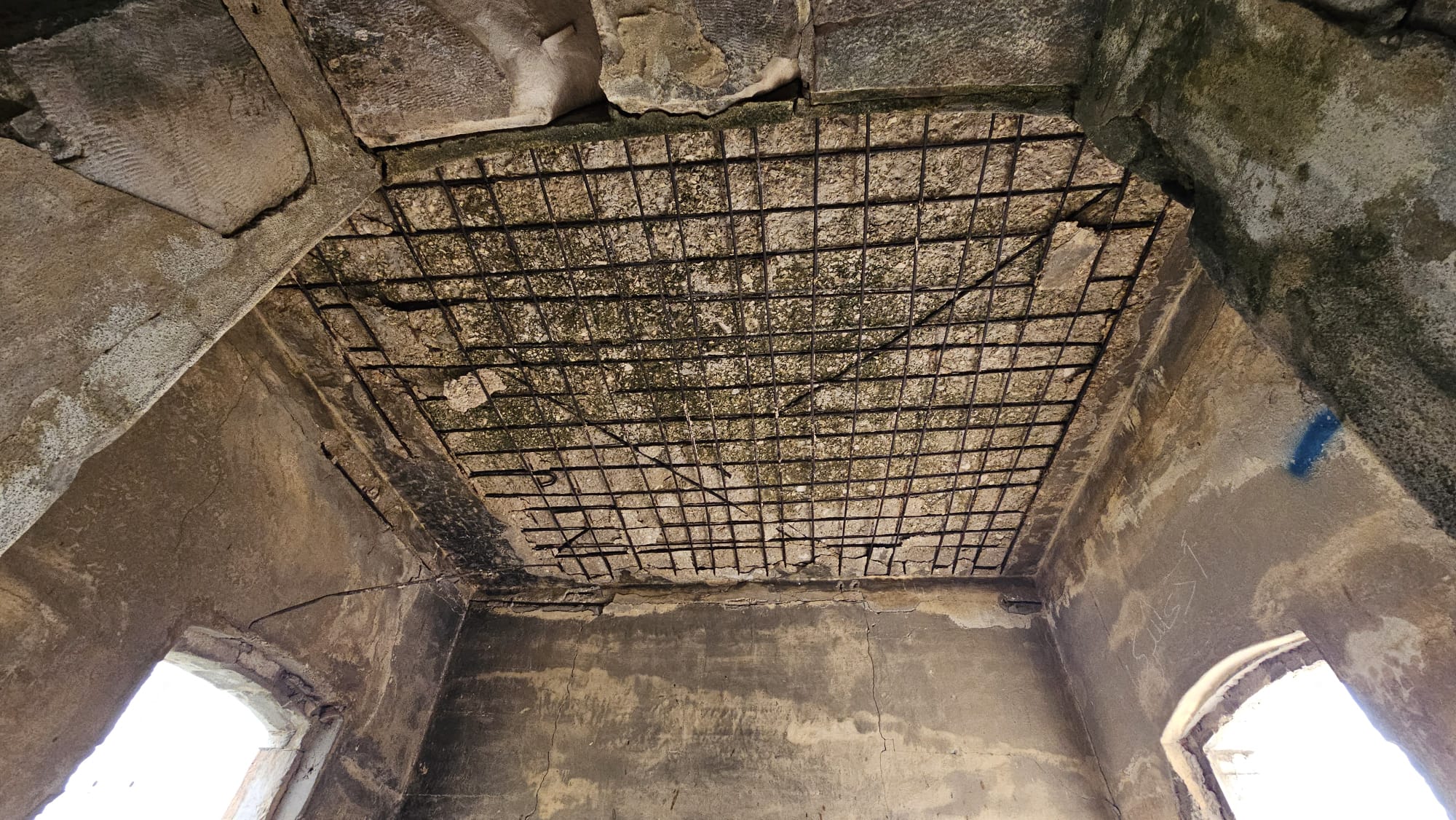 A newer ceiling of a newer part of the station.
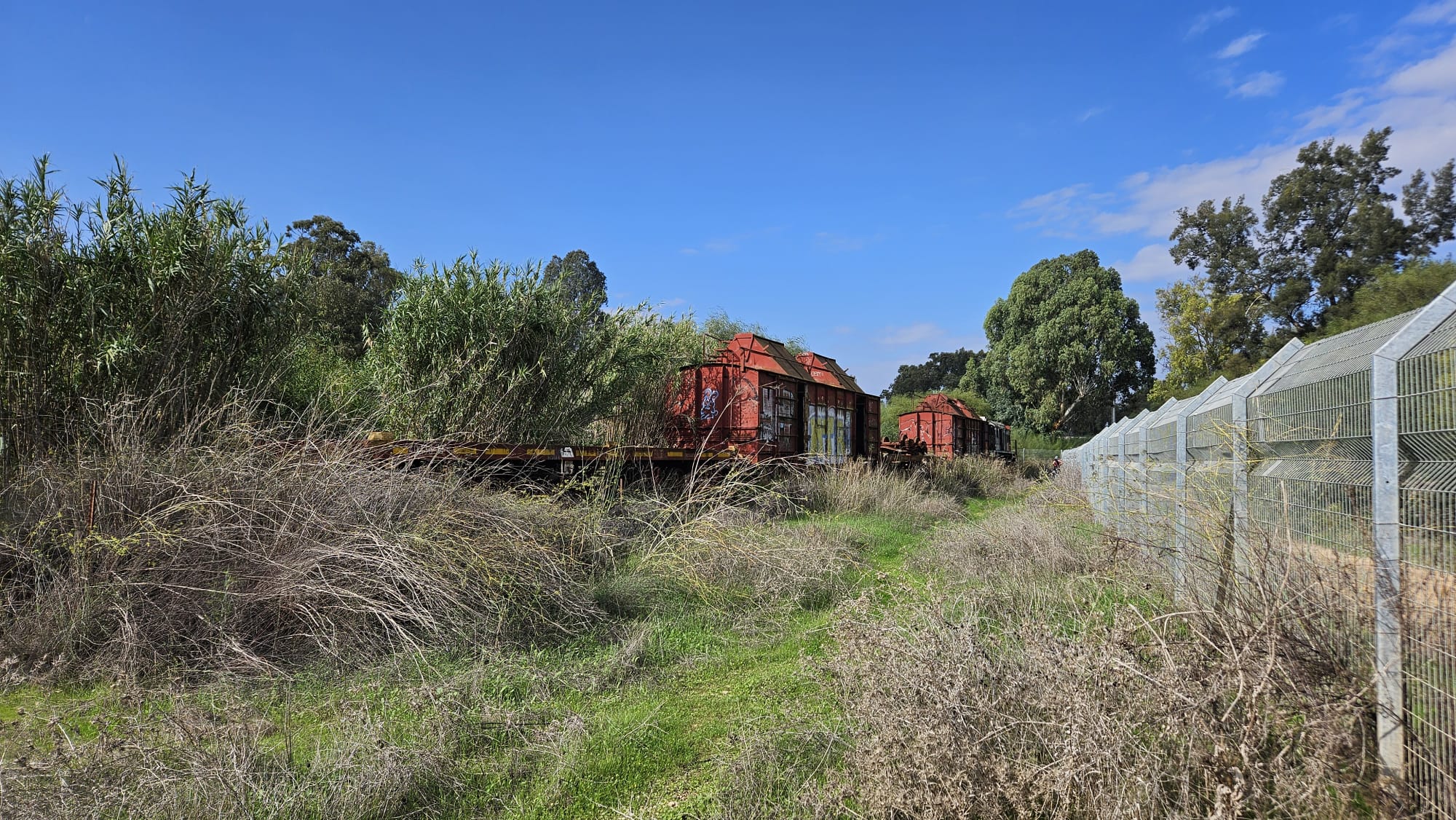 Well, well, well – what do we have here if not an abandoned
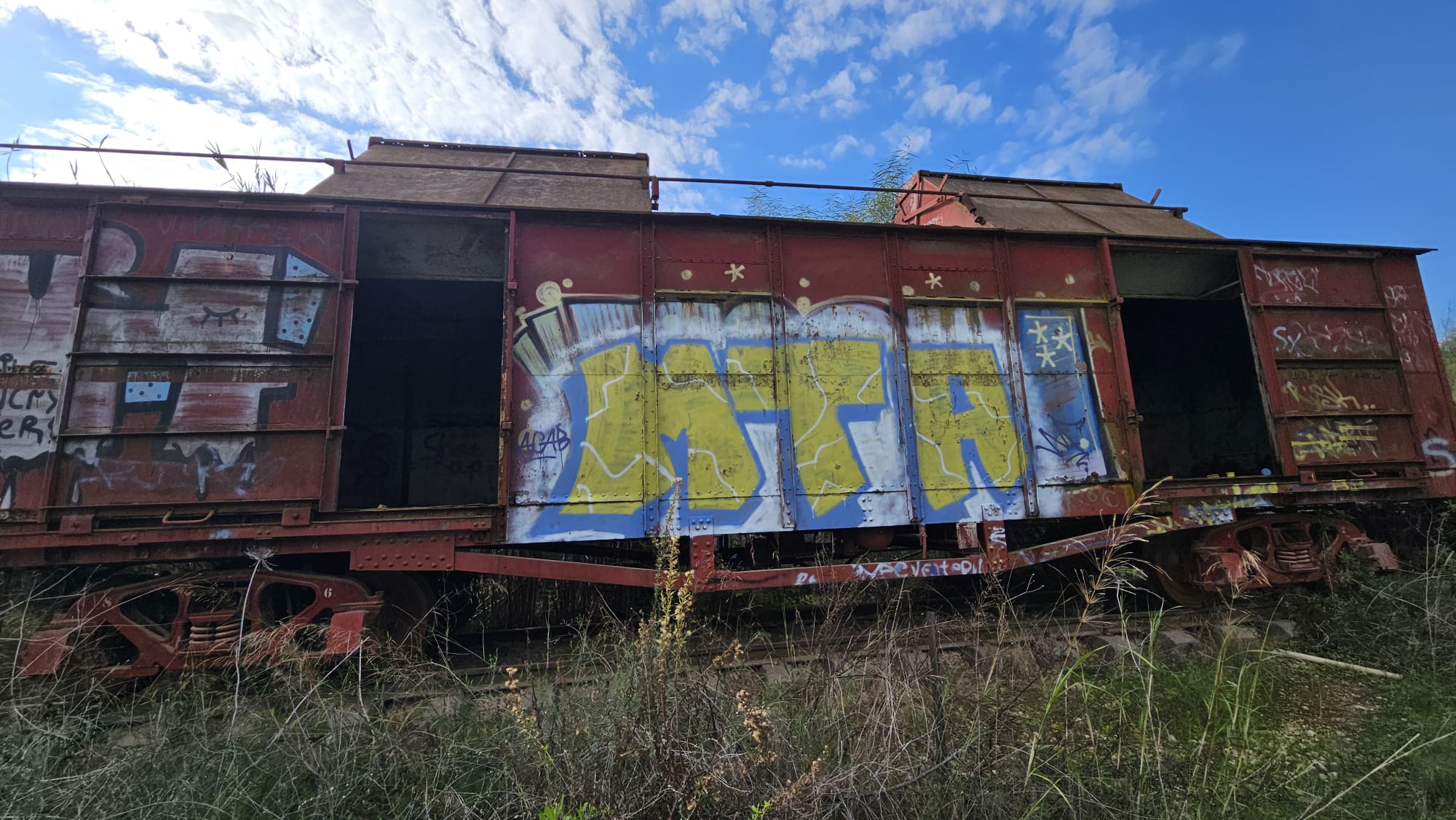 One of the coaches
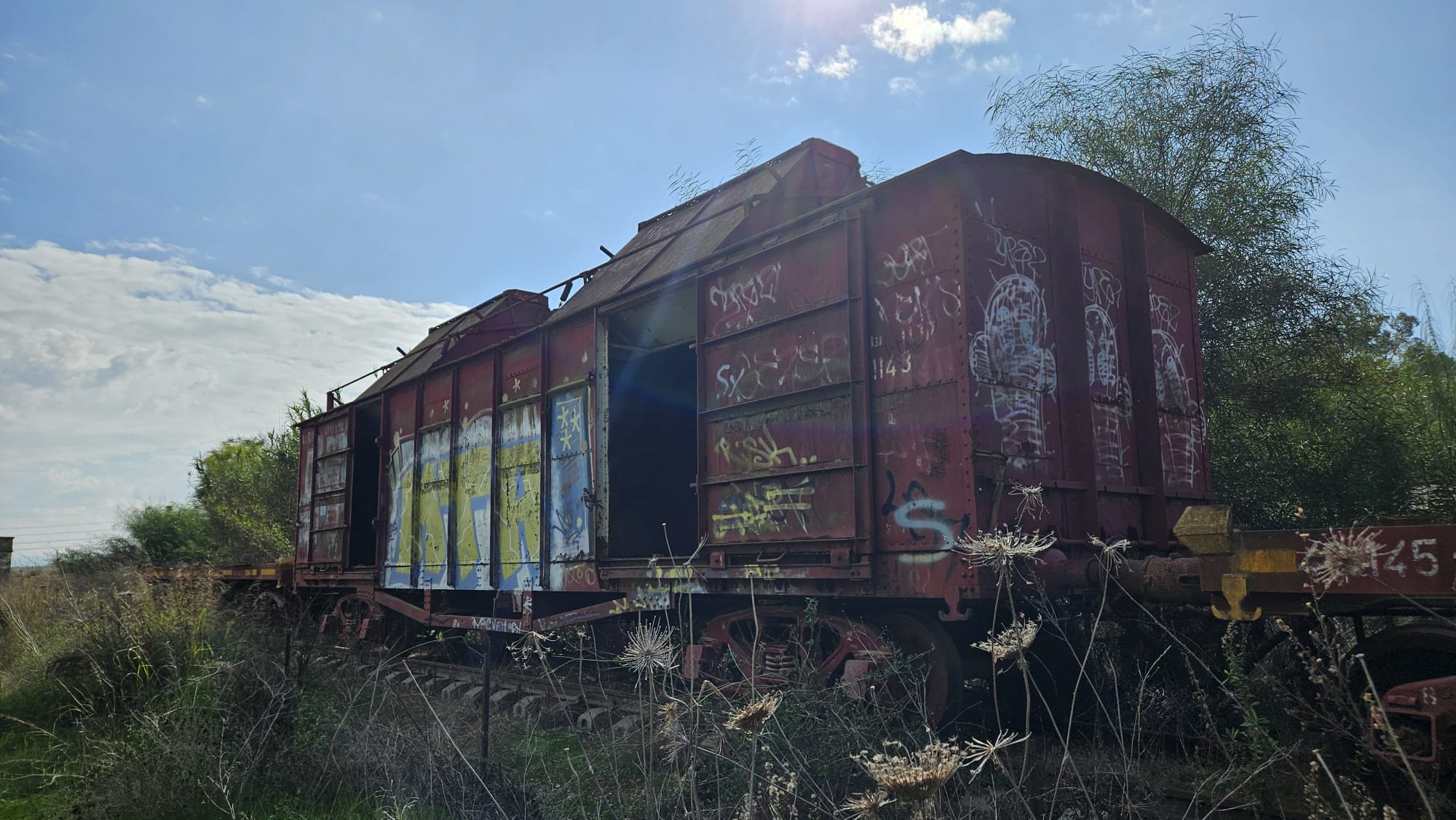 And from another angle
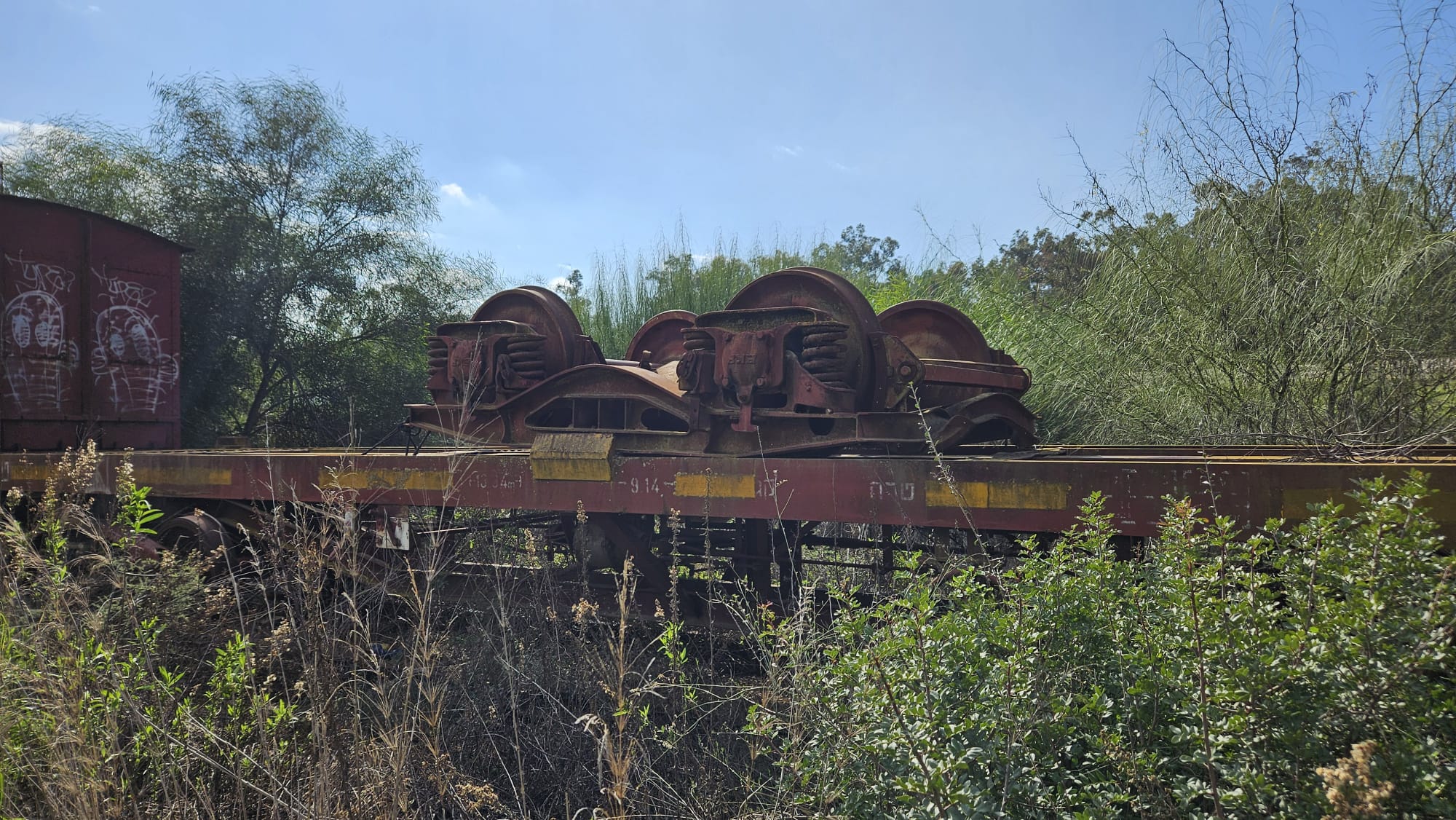 And wagon with wagon wheels on it
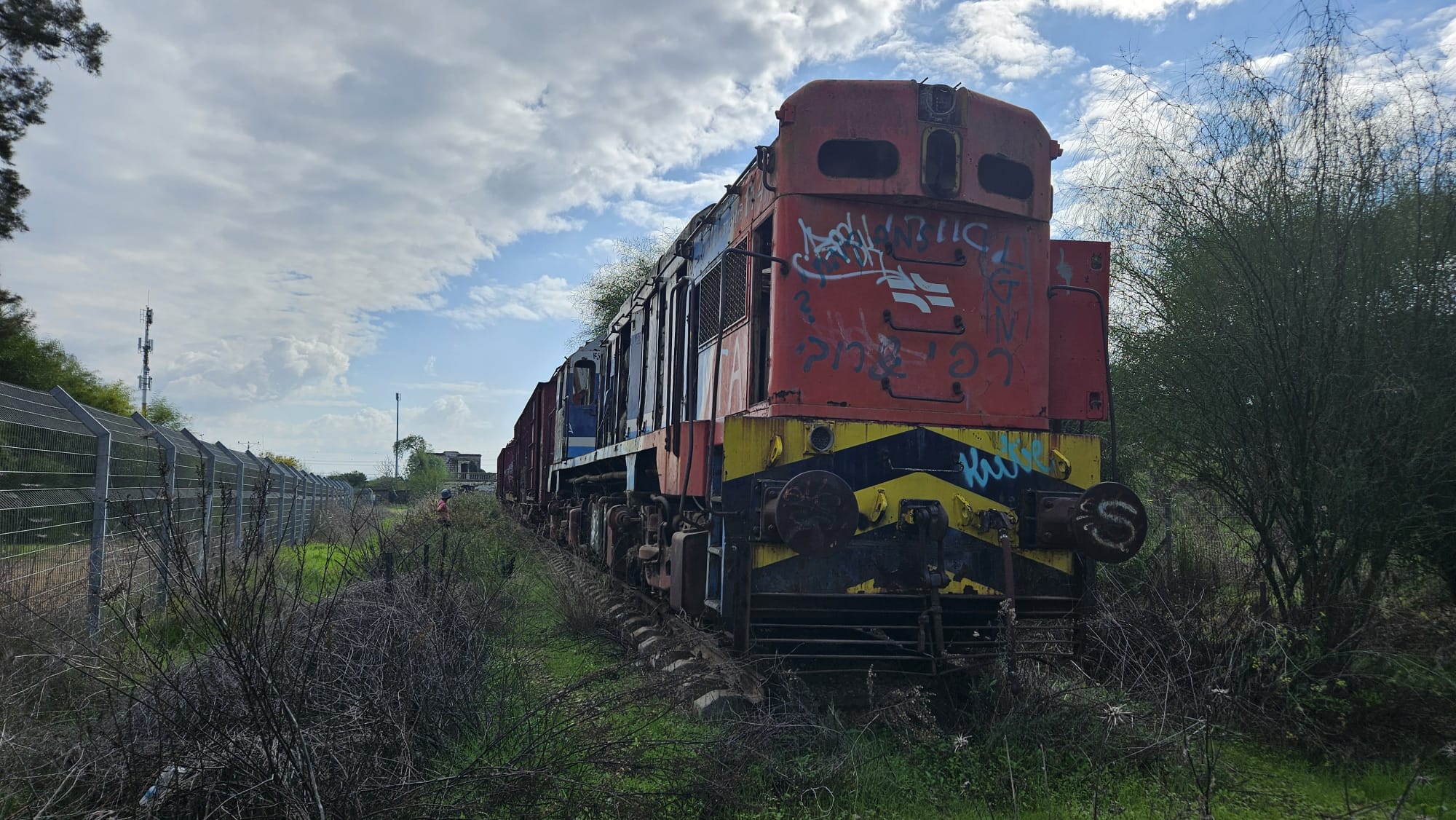 The old engine and the station building in the background. I guess they left it to be part of the future historical area to be built here, like in Jerusalem or Beer Sheva old train station (although it is not and old or historical engine), or it was just not affordable to be moved from here (Al tough I have doubts it is the original railway track, the train is sitting on)
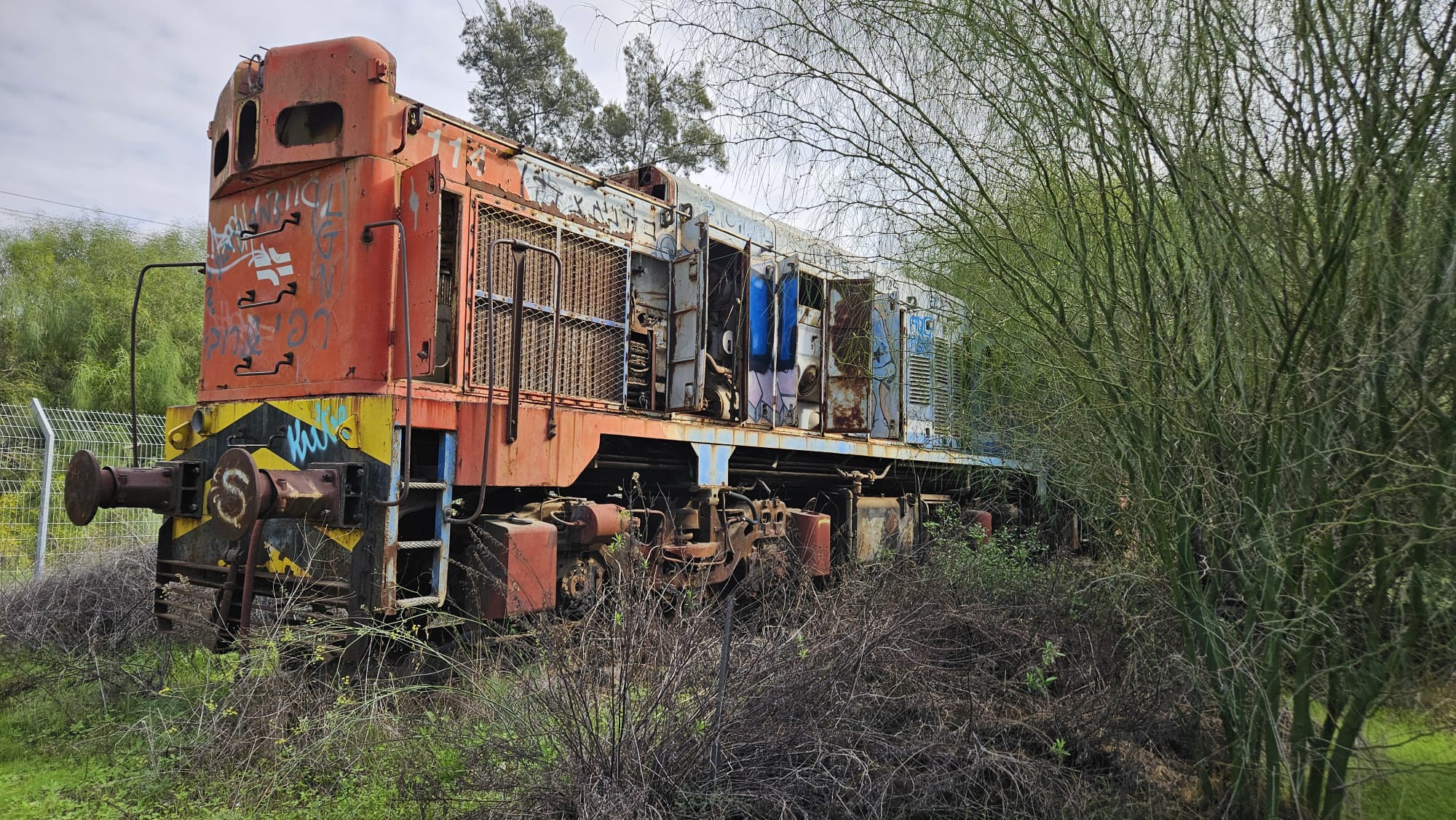 Another angle of the engine
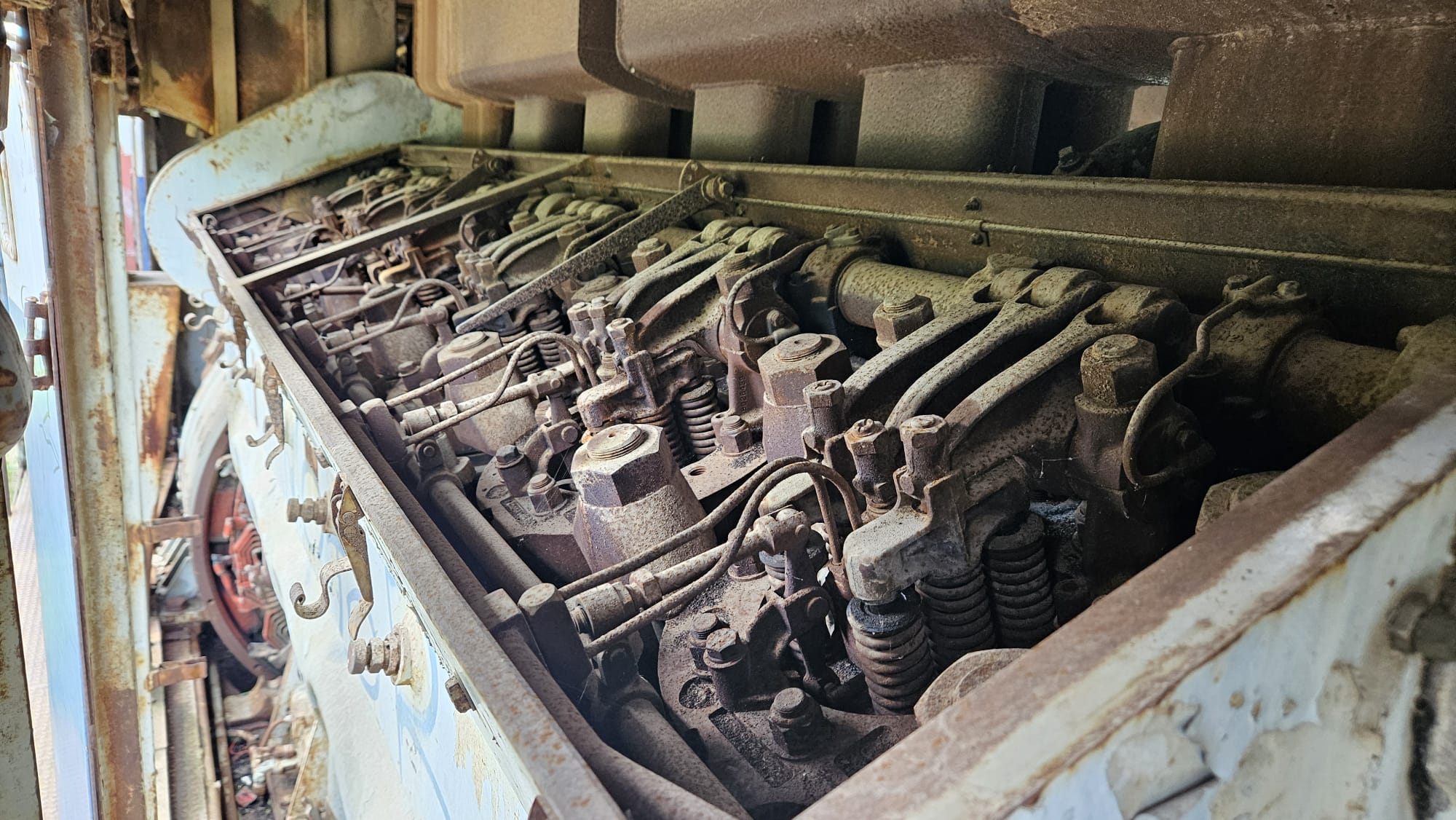 Inside the massive engine
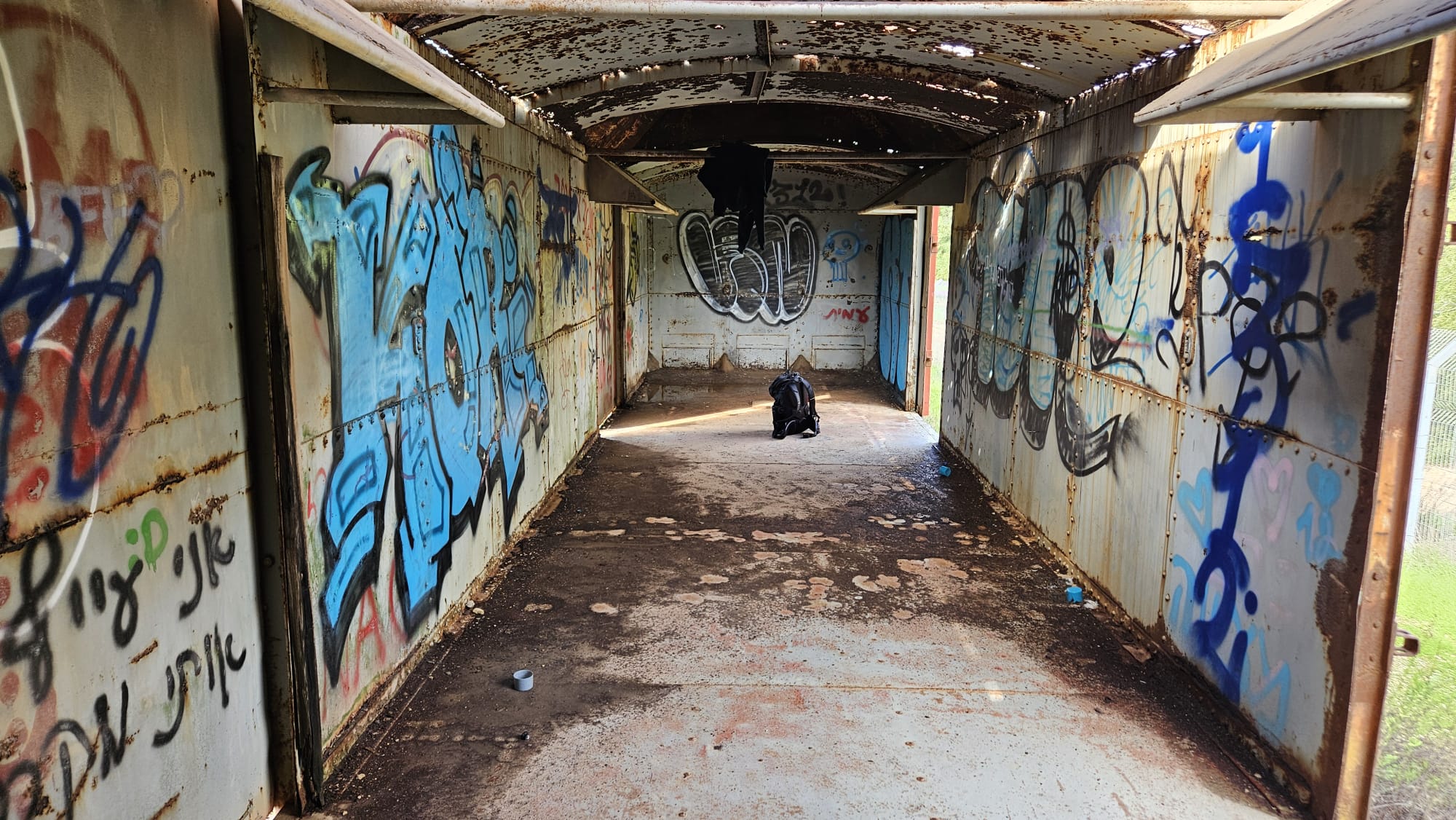 And inside one of the coaches
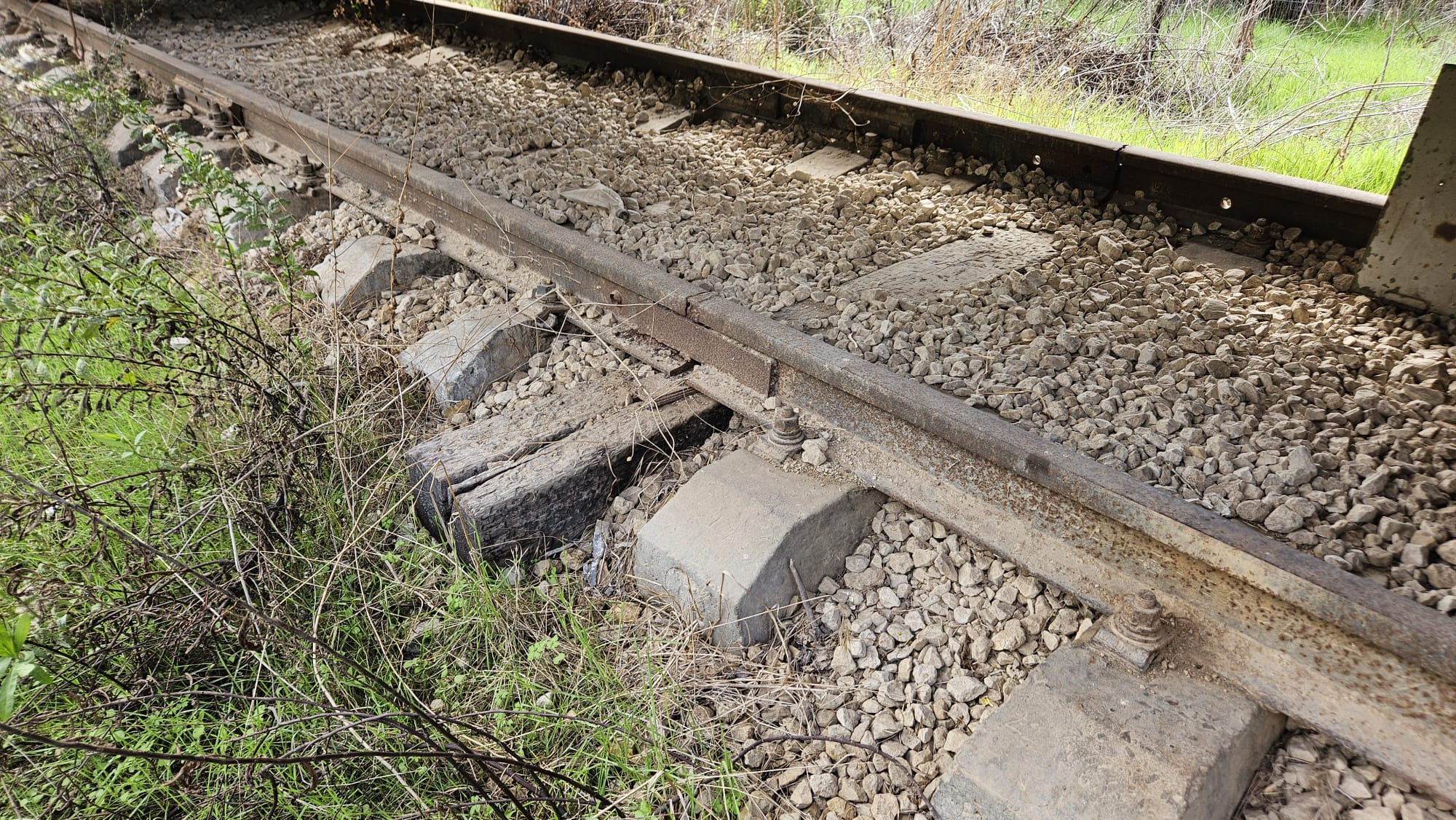 The railway tracks – old, but not sure those are the original that had been upgraded
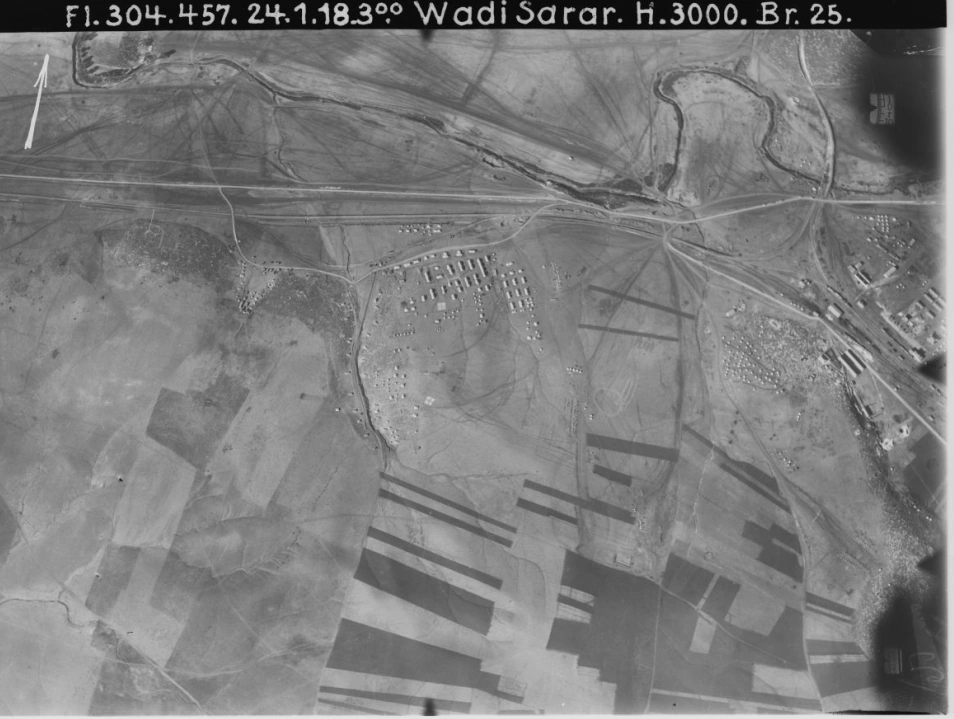 Pictures of the area around the station by the Bavarian pilots in 1917-1918. The station is the building in the right side of the picture, just next to triangle junction. You can see, by the amount of forces, how important is was for the British after its conquer (Source: danielventura.fandom.com)


loading map - please wait...