
Hi,
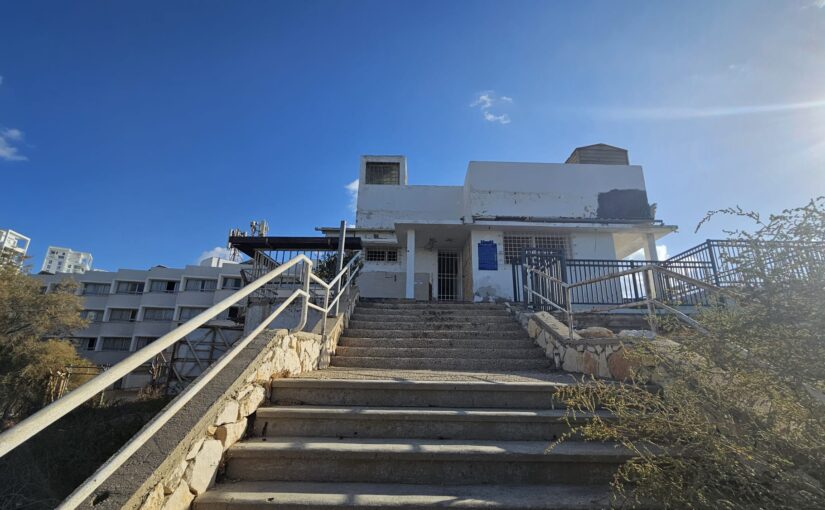
On a cliff, facing an enchanting panoramic view of sunsets and large expanses of sea, stands, like an old lighthouse, the house of Olga & Yehoshua Hankin. The house was built by the late 1930 by Israel’s land remeeder Yehoshua Hankin, for his beloved wife Olga – the first Jewish midwife in Israel.
A long staircase leads from the beach to the Bauhaus-style house, which overlooks the magnificent view of Binyanin bay. It was started to be built in 1936 and designed by the architect and constructor Yosef Ben Ora. It was supposed to be the part of neighborhood of villas to be build here by Yehoshua Hankin.
Olga & Yehoshua Hankin did not lived in the house as Olga died in 1942 and Yehoshua 3 years later. They were buried in the tomb of Olga and Yehoshua Hankin at Harod spring.
After years it had been abandoned the house was restored by the Hadera Municipality and the Council for the Preservation of Heritage Sites in Israel.The house used to host an intimate and romantic dairy restaurant that used to take the visitors back in time. A video was used to be presented in the restaurant.
Now it is closed again as the cliff the house is sitting on, is collapsing. You have no access to the house, but you go easily go over the gate on the stairs and climb up to it.
Take Care
Gad
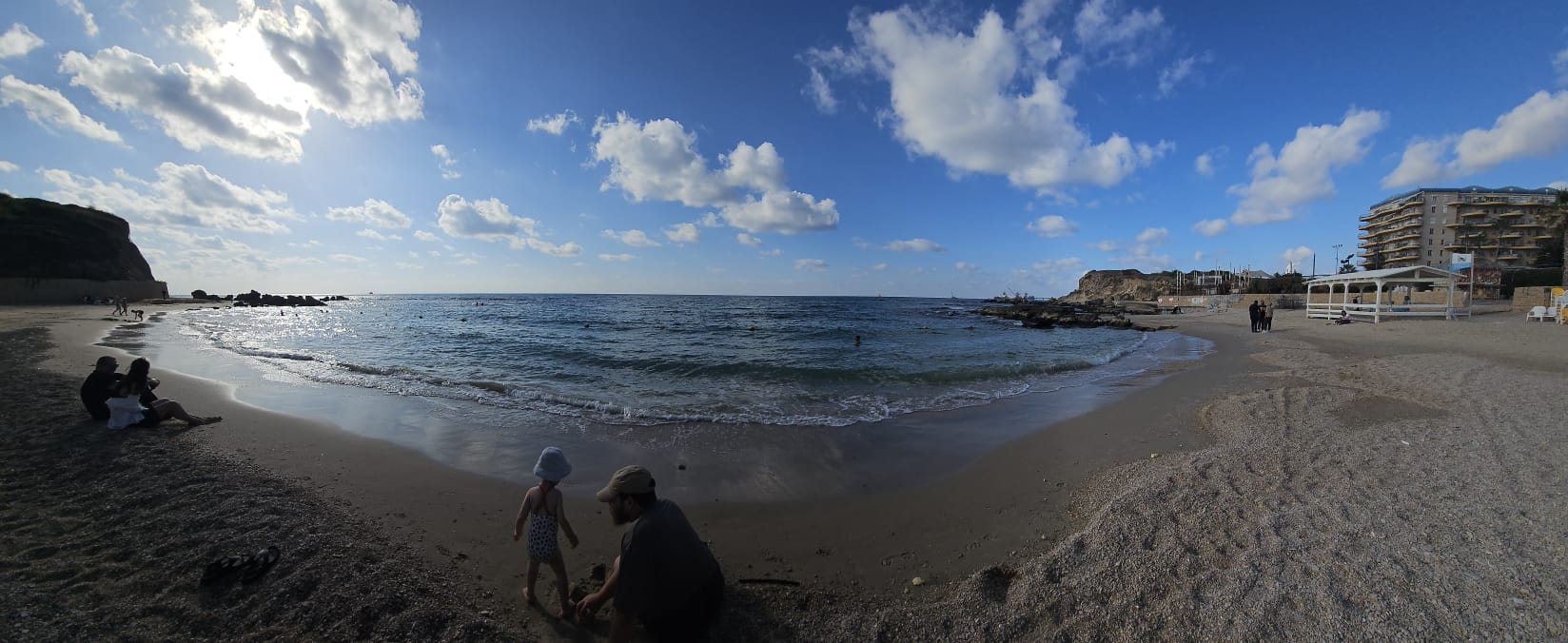 Binyamin bay In memory of Baron Abraham Benjamin Edmond de Rothschild, whose ship anchored here in 1914, from which he disembarked to visit Hadera and Zichron Yaakov.
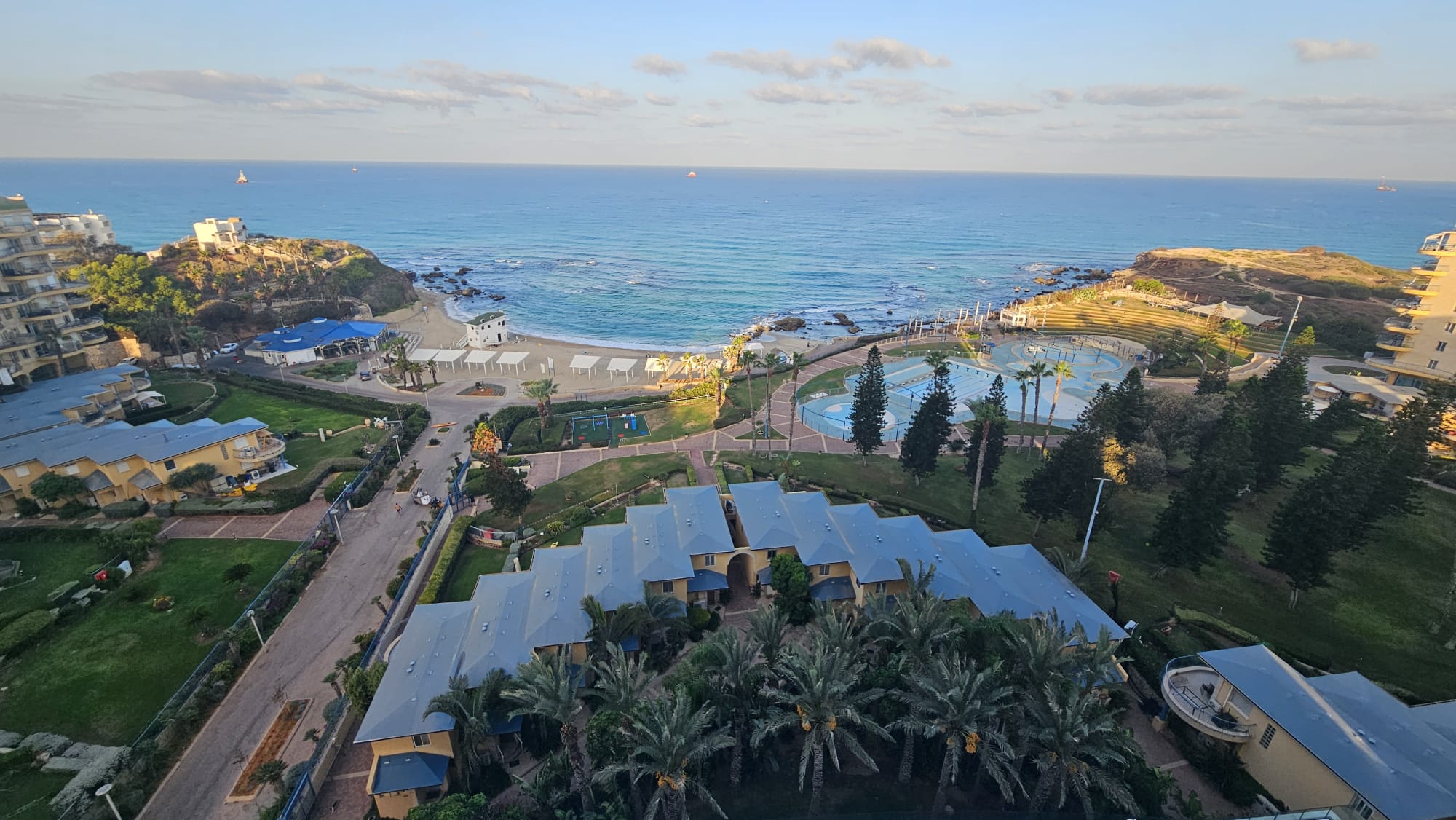 A view over the by from the hotel above it
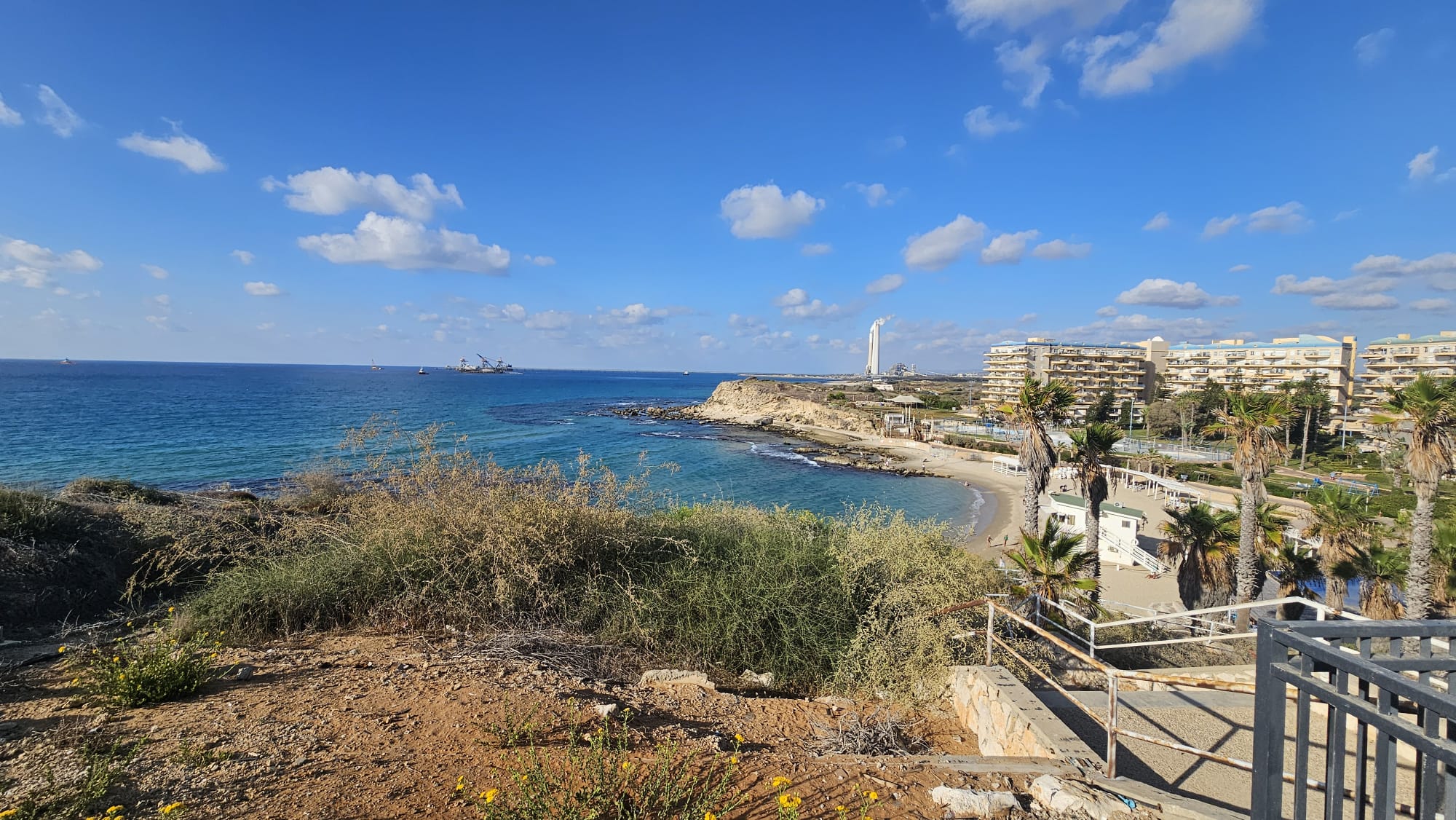 The view from the house over Binyamin bay (from South) and Hadera power planet stacks
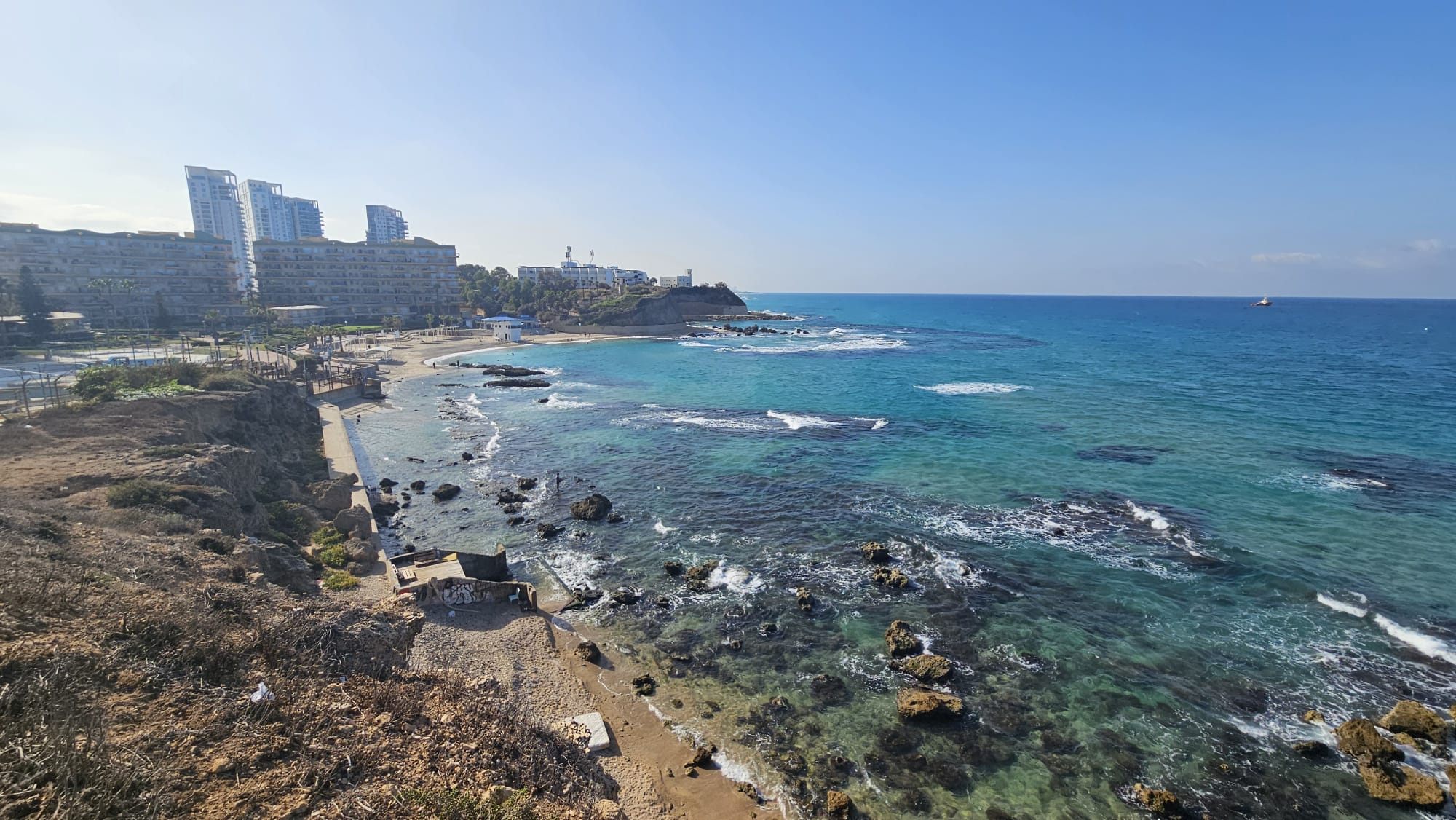 The view from over the house and Binyamin bay (from North)
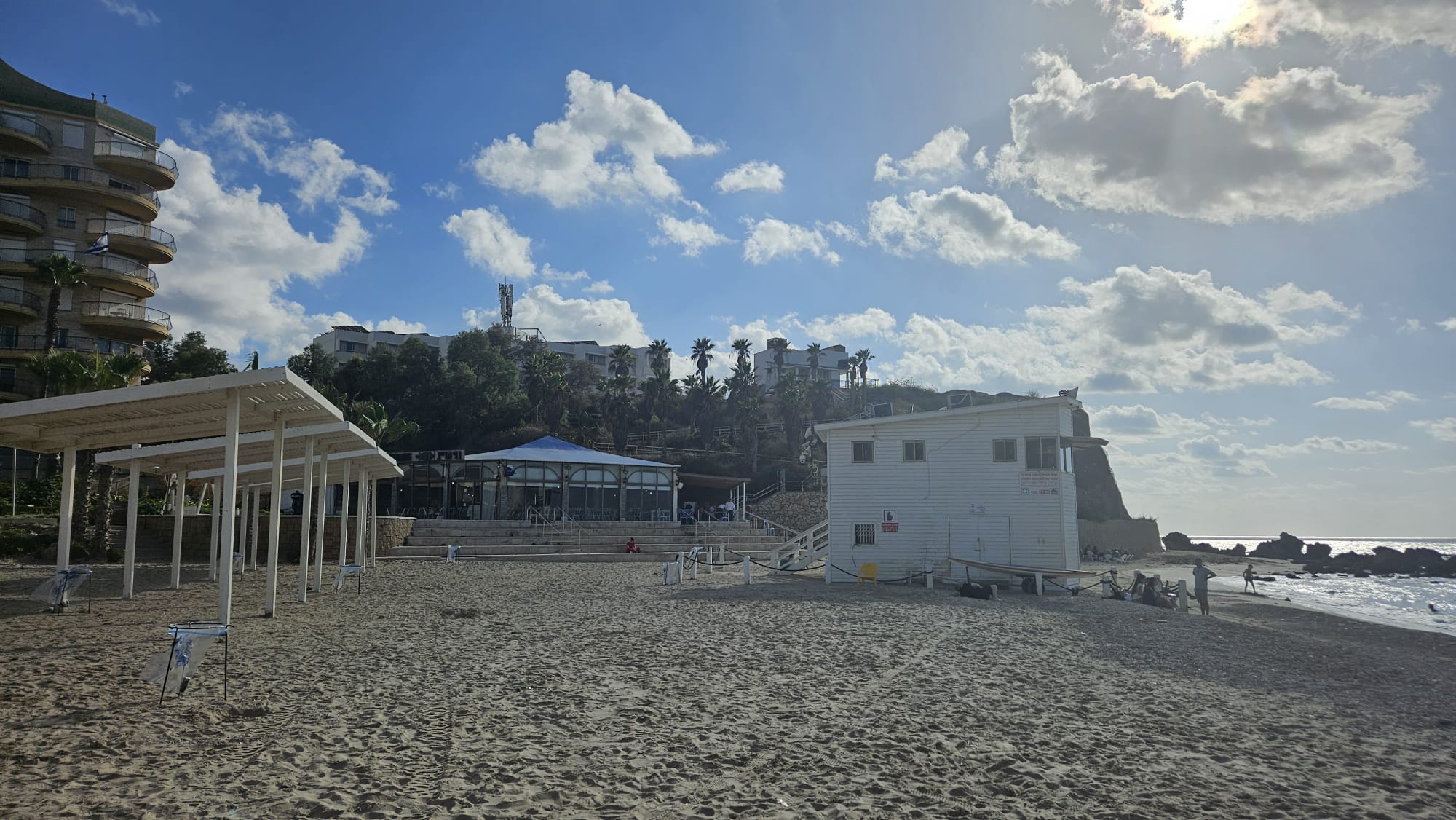 Olga Hankin house on the cliff above the bay
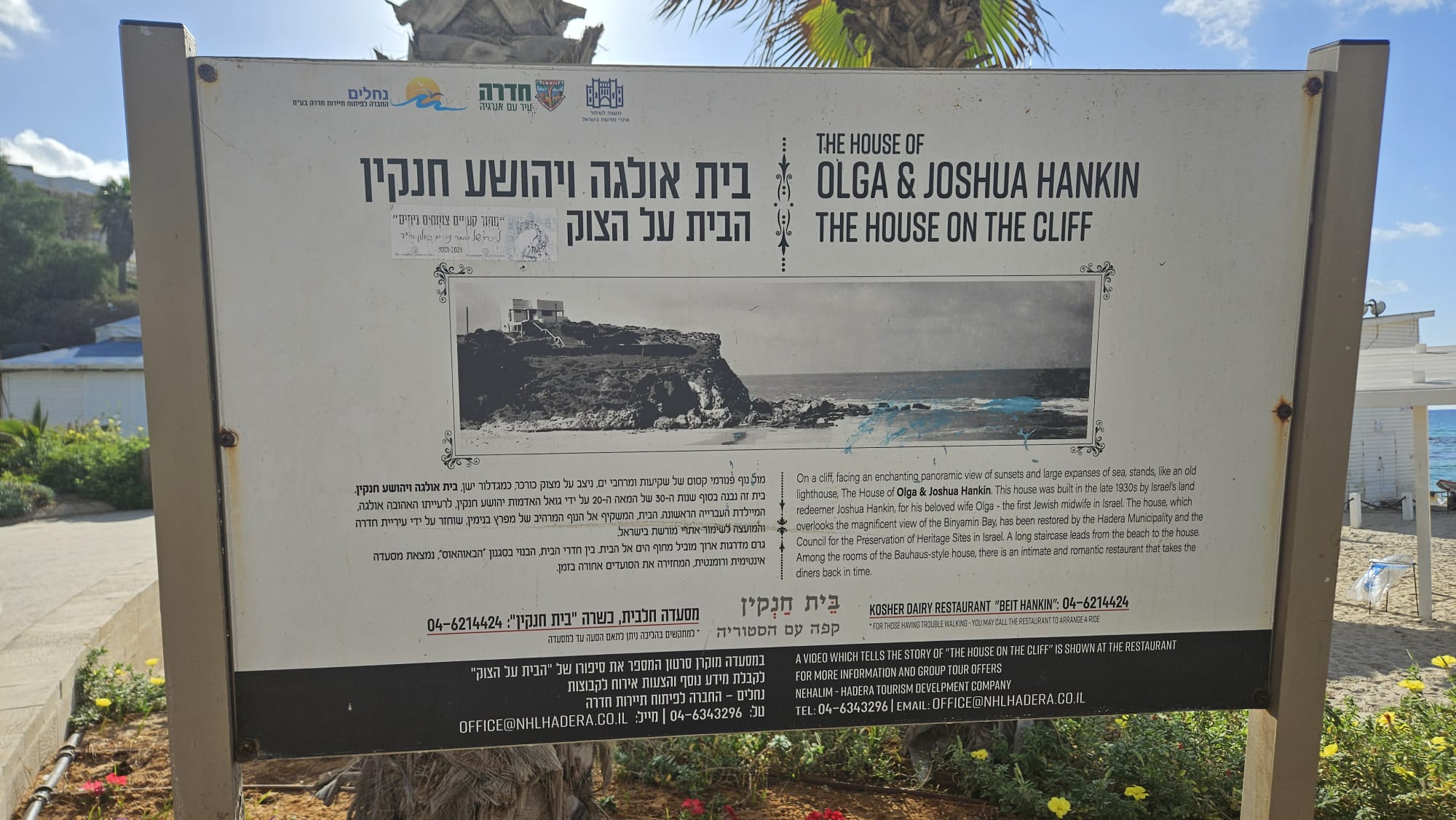 The house of Olga & Yehoshua Hankin – The house on the cliff
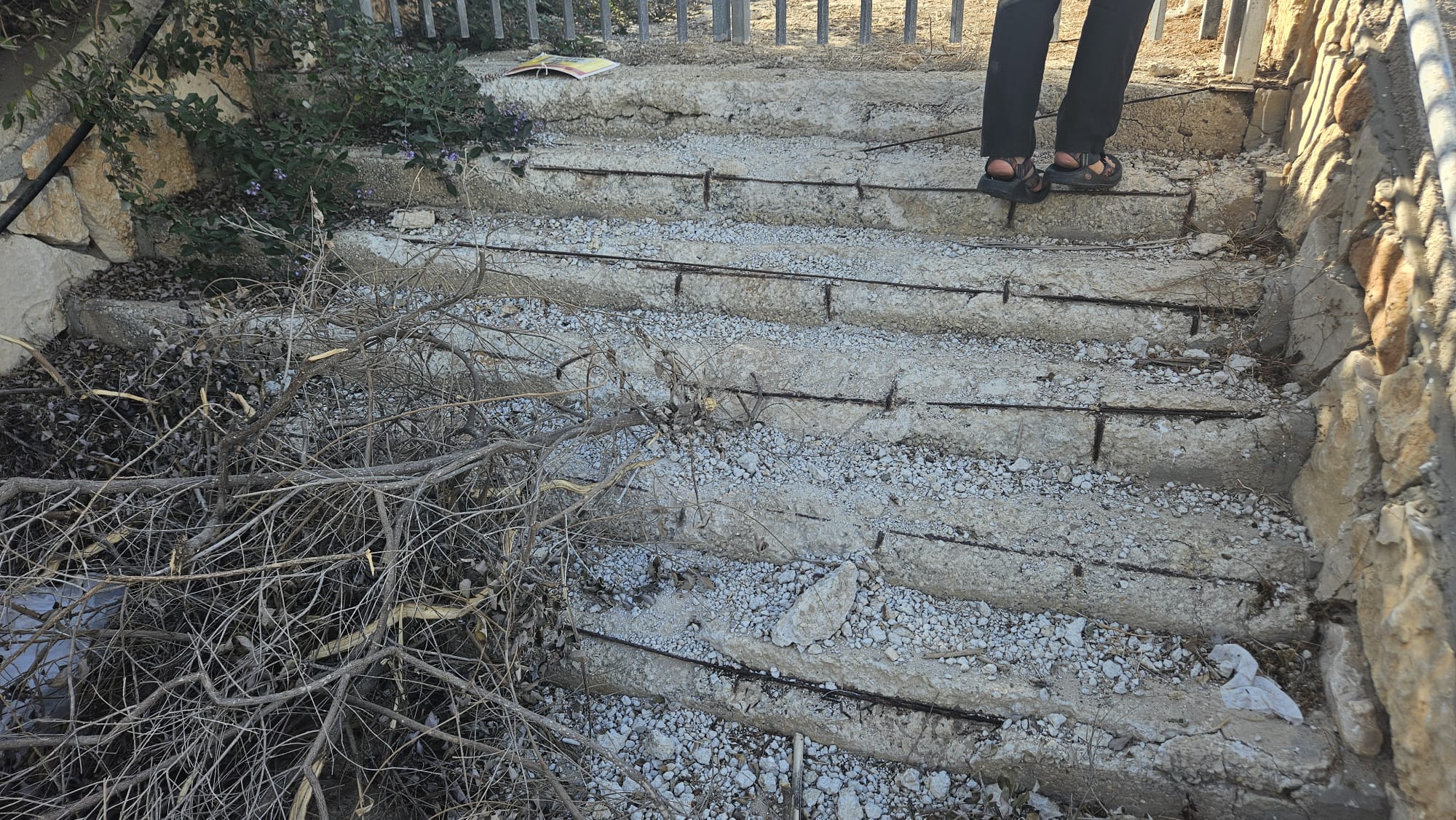 The concrete stairs up to the house are suffering to the location near the sea
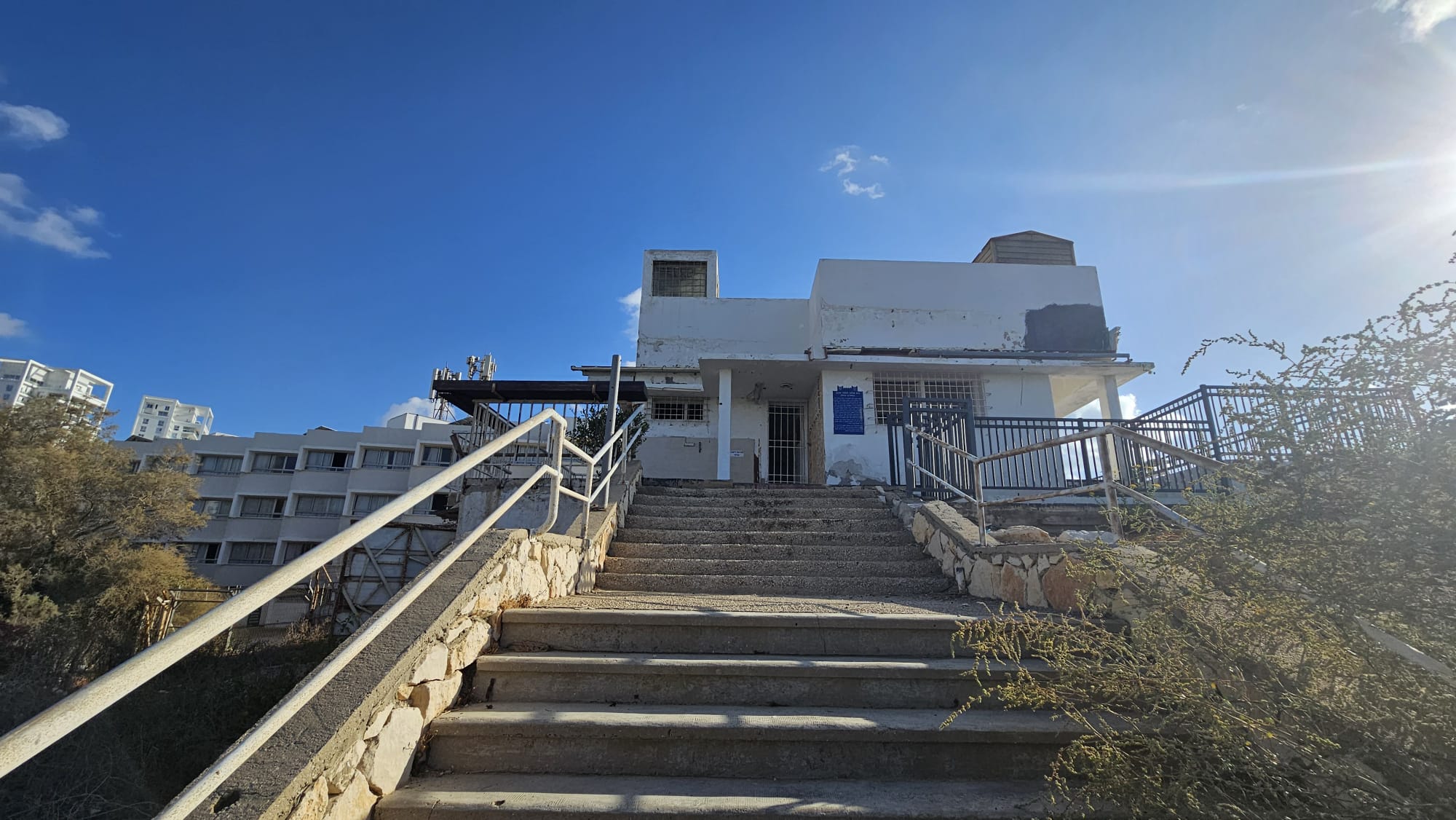 The house, some say it was built from concrete to use as a post against Arab attacks
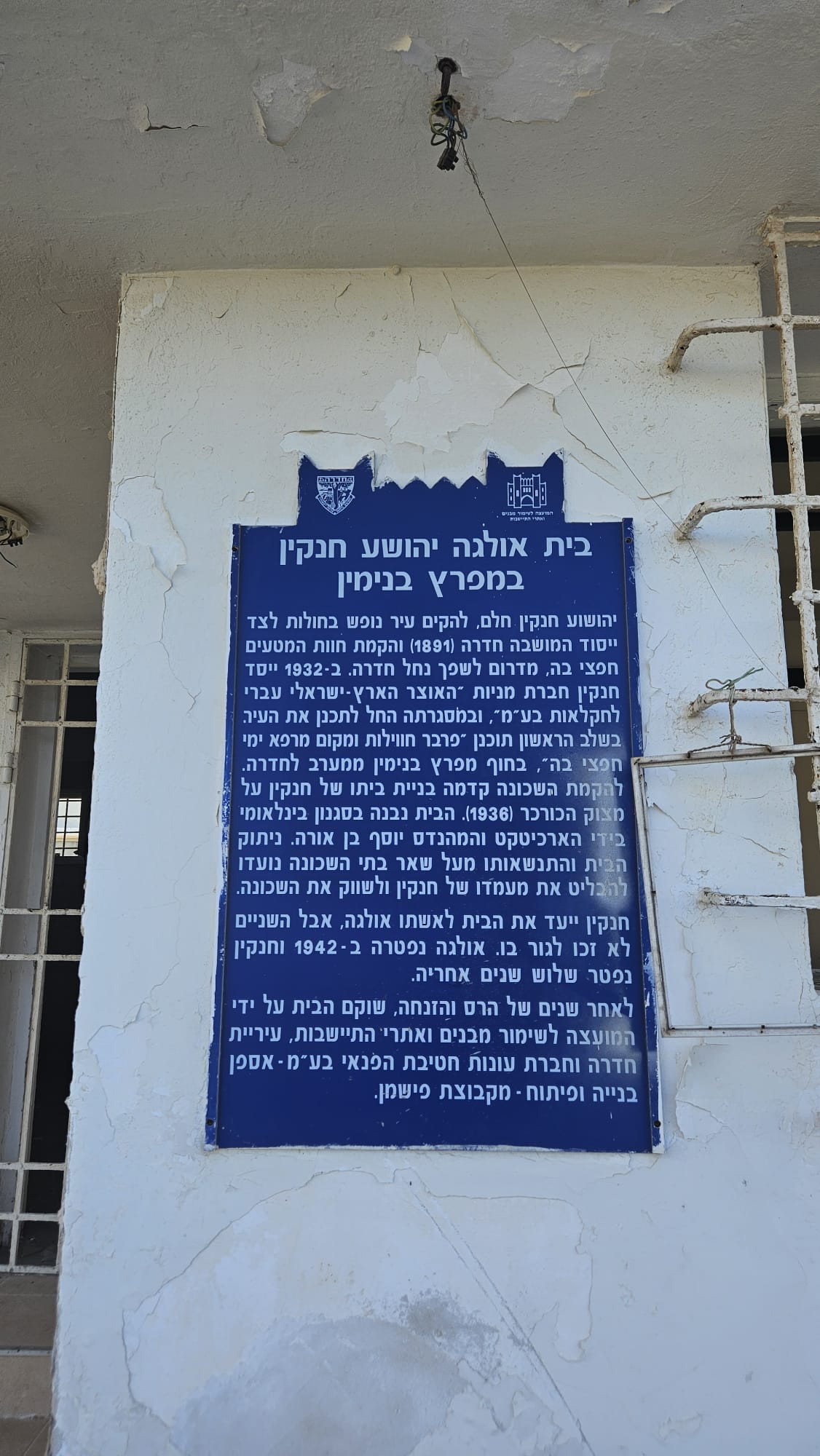 The Council for the Preservation of Heritage Sites in Israel sign on the house
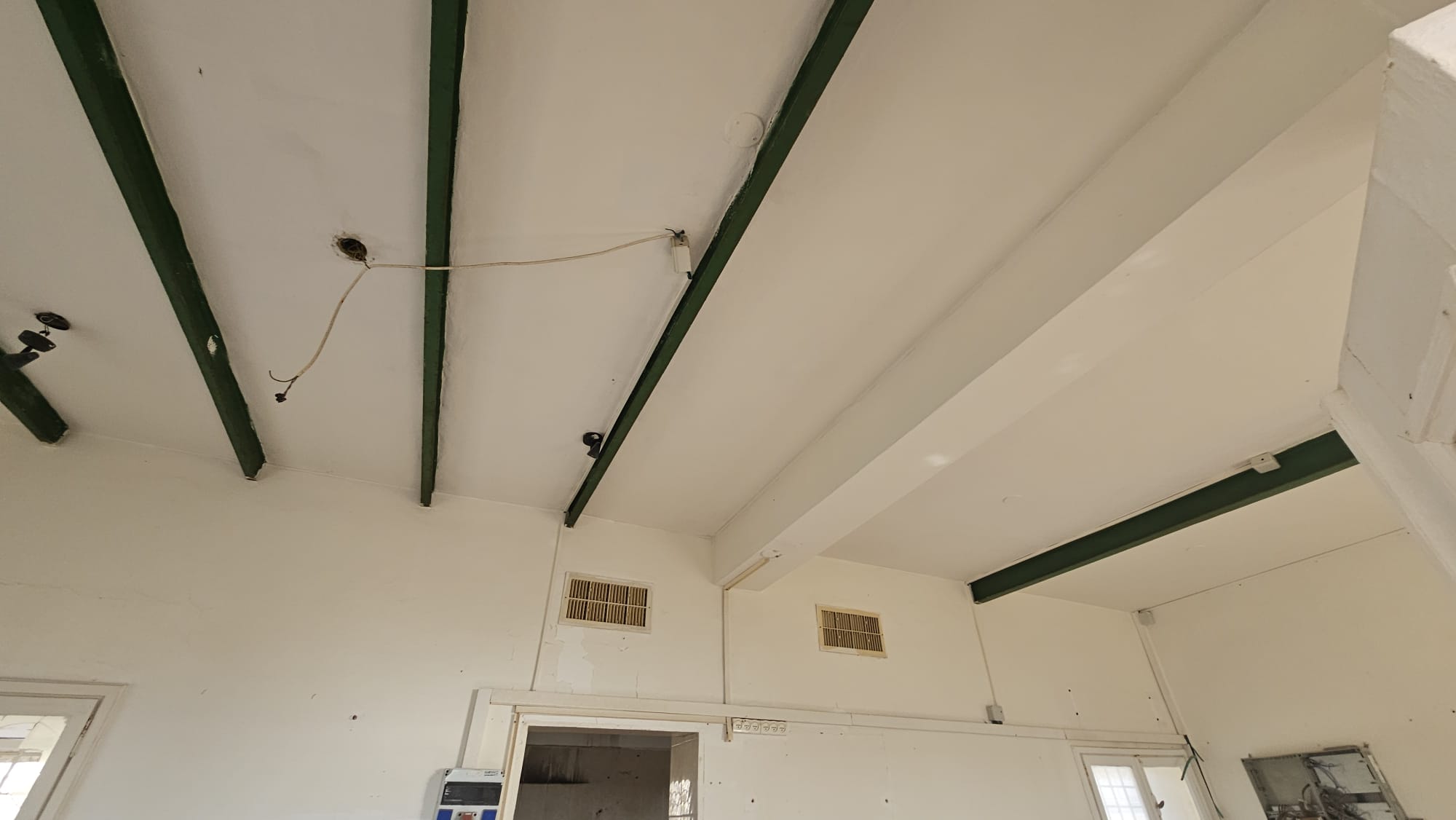 Steel beams (might be added later for the building) and concrete slab.
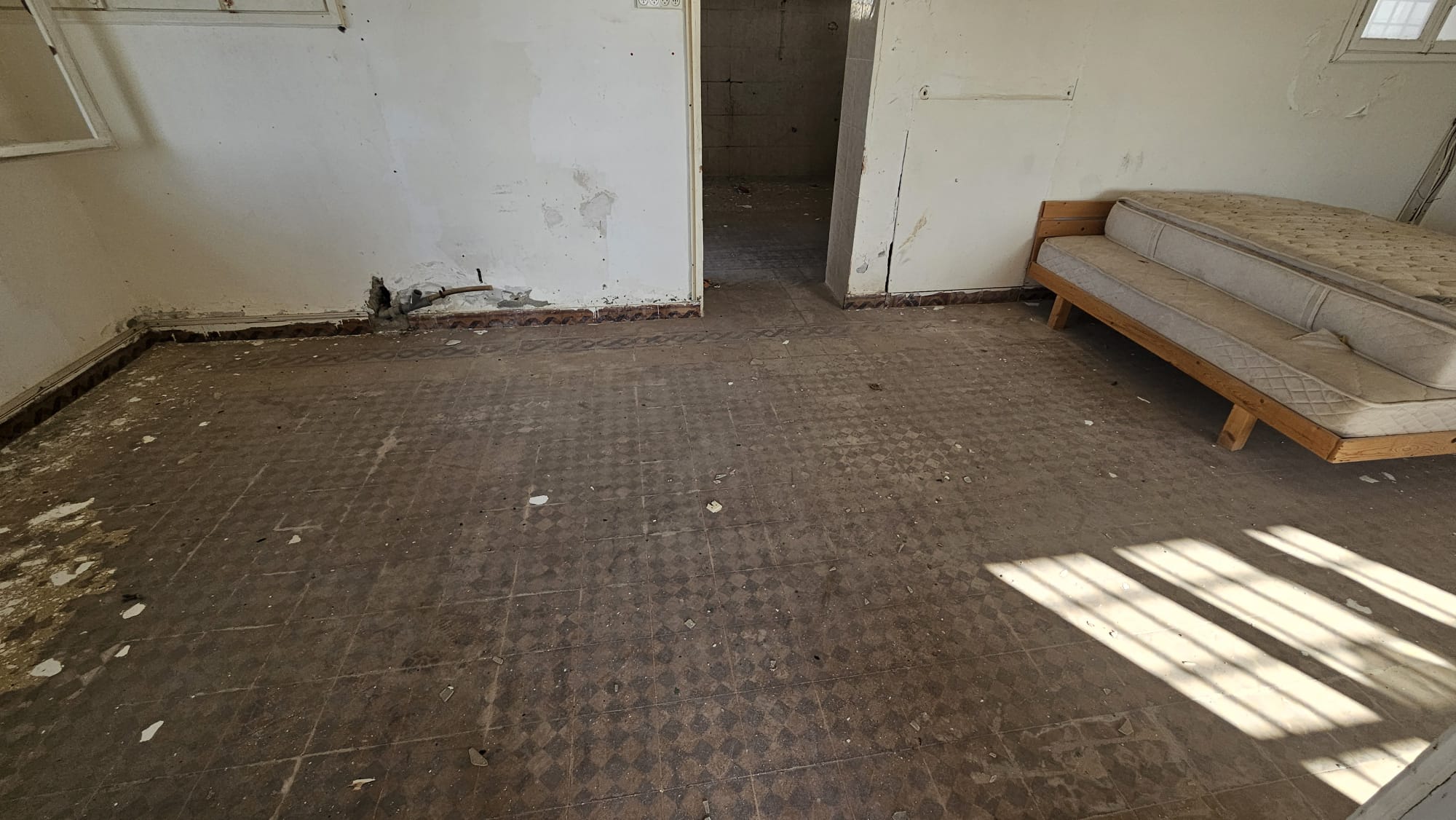 Beautiful original floor tiles
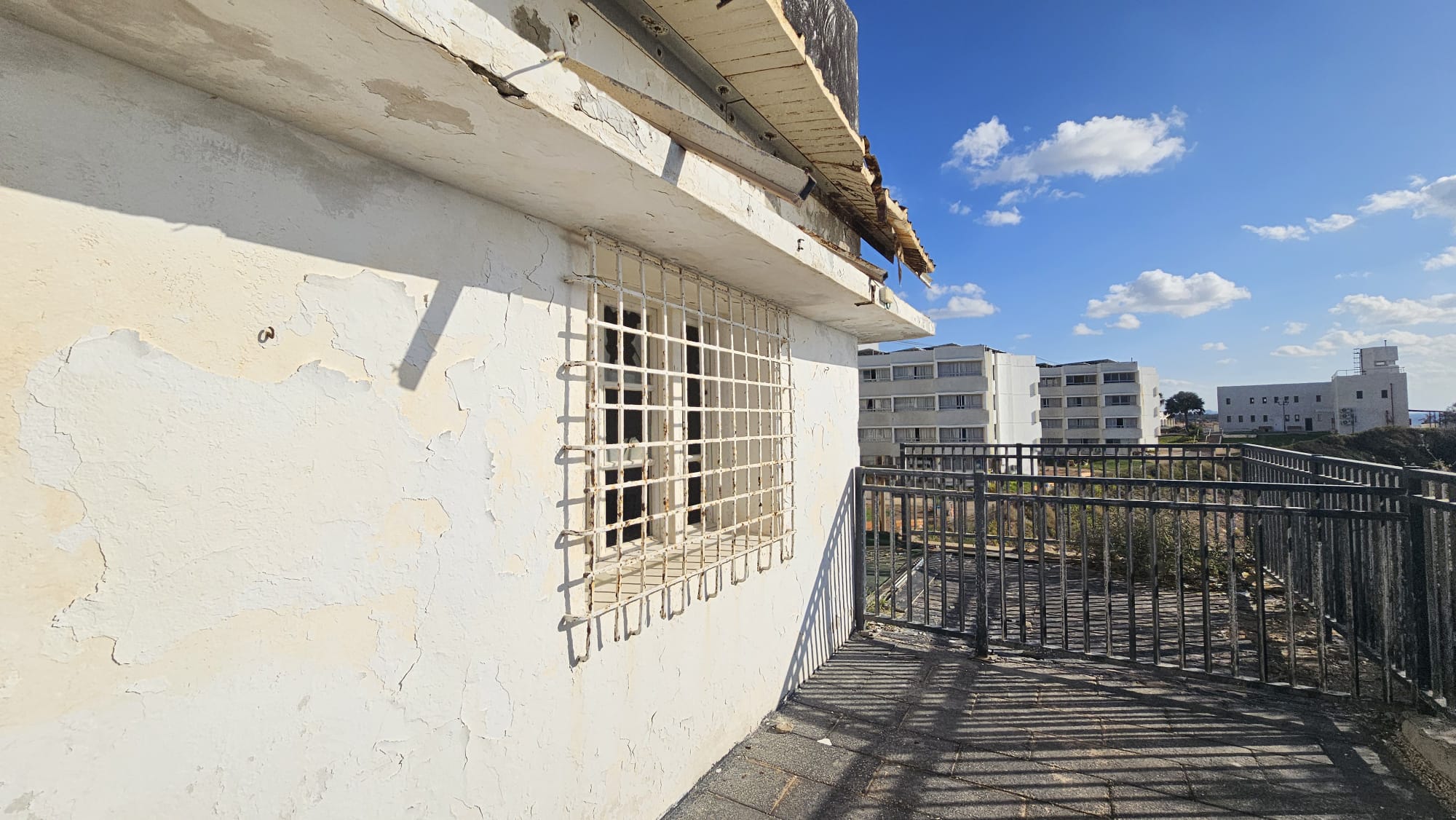 Original window bars
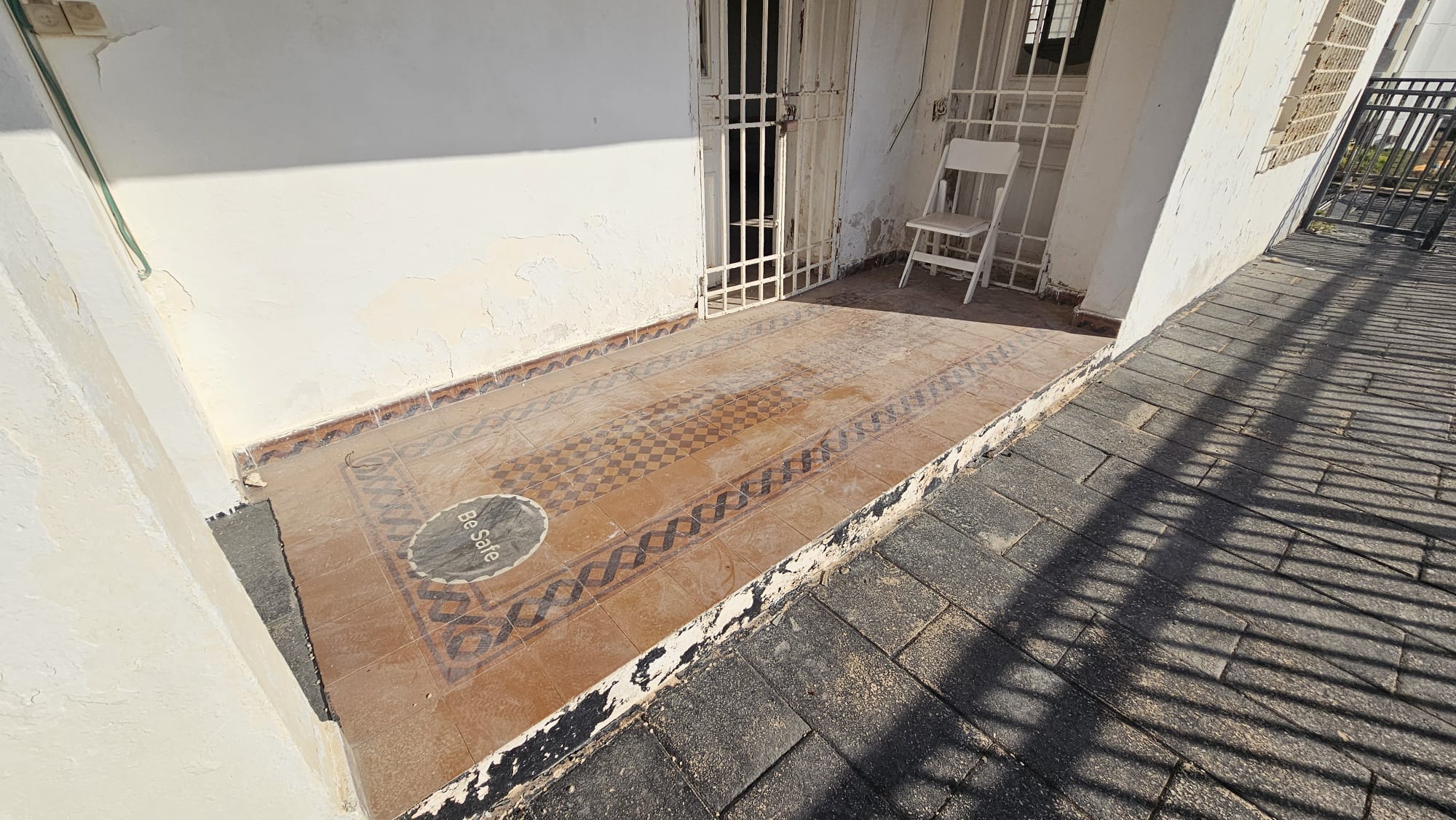 Original floor tiles outside the building
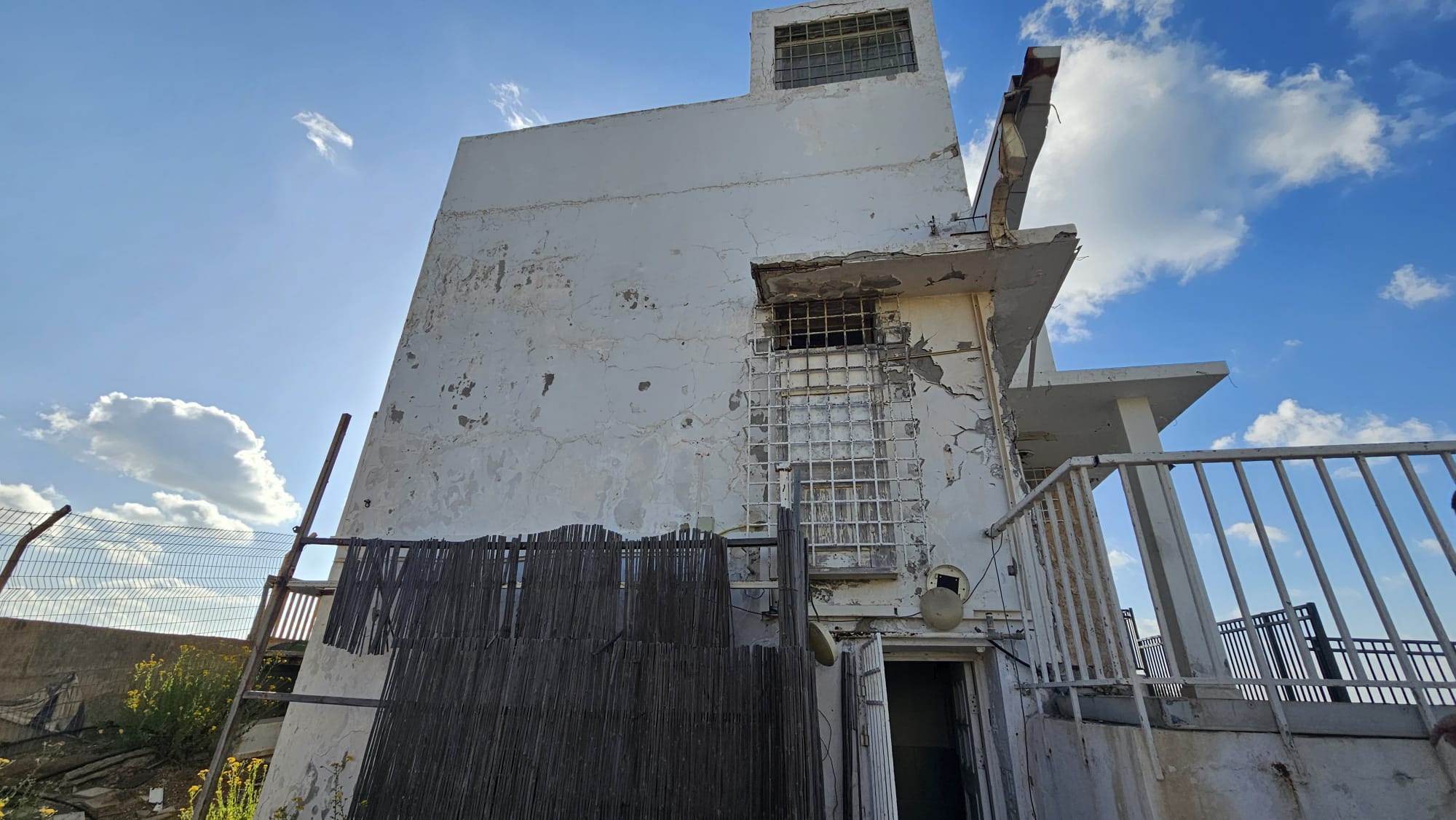 The narrow side of the house
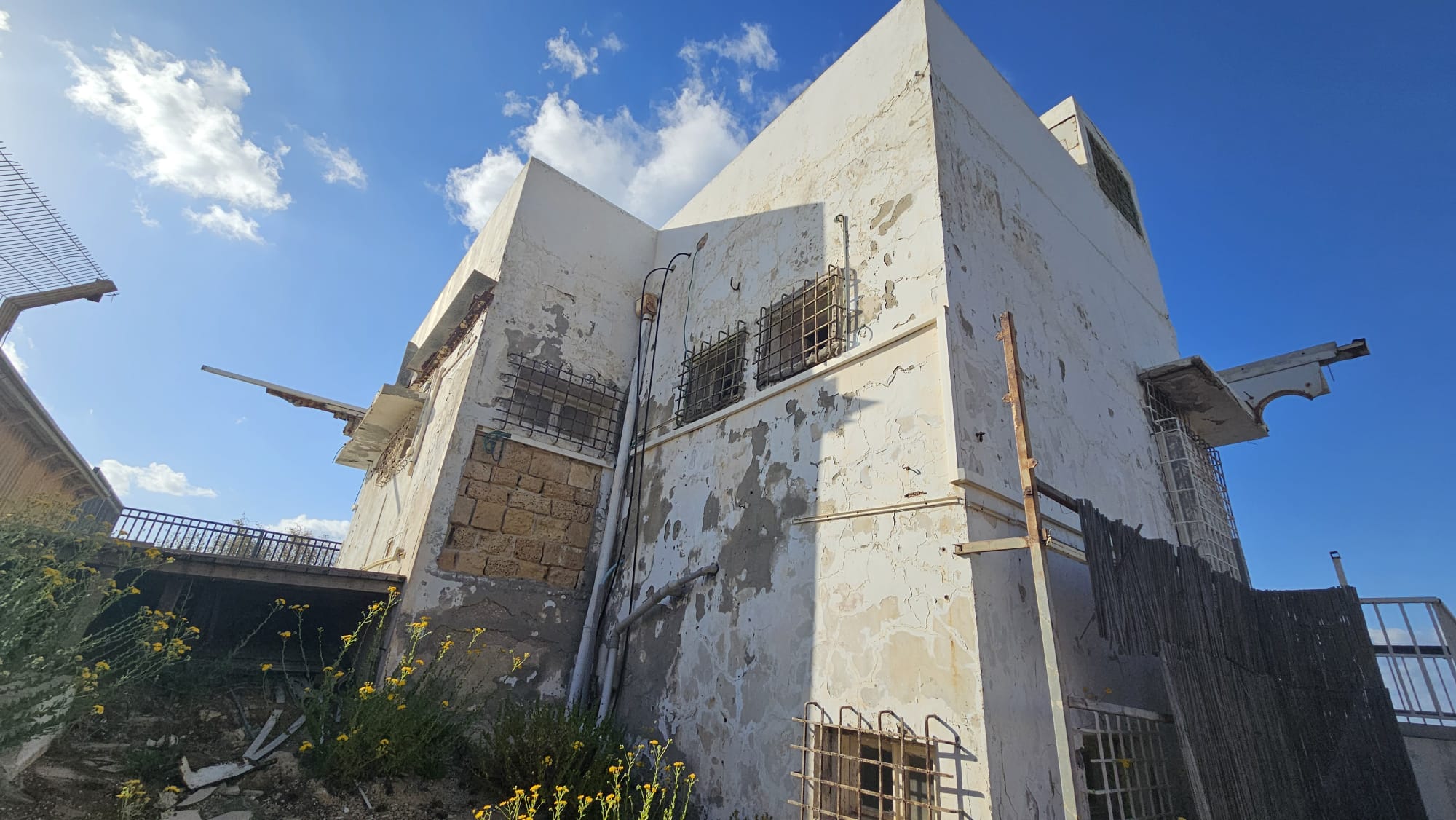 The back of the house
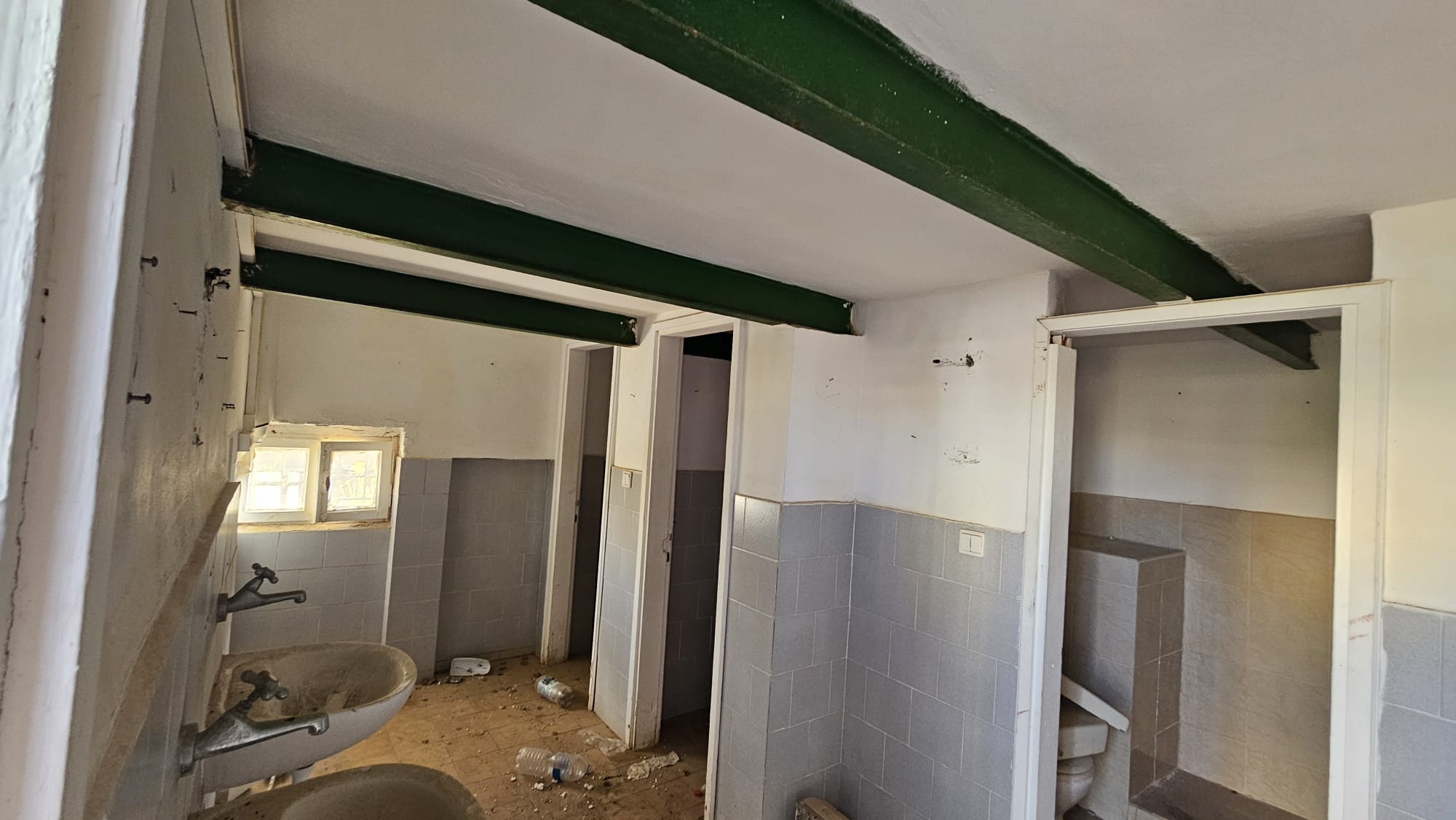 The restroom on the floor below, again with steel beams
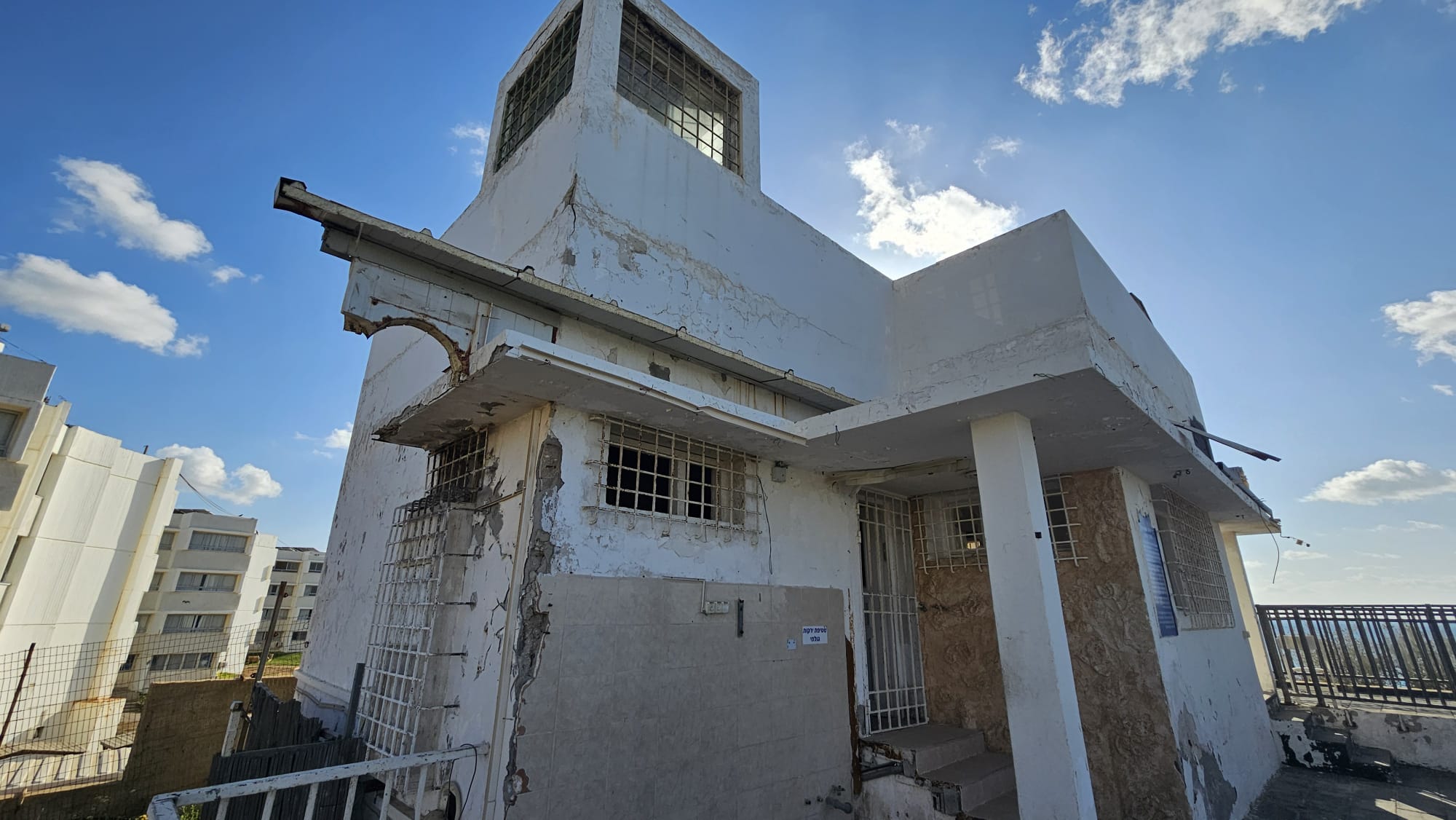 Another angle of the house. With what, might be a guarding post, on the roof of the house
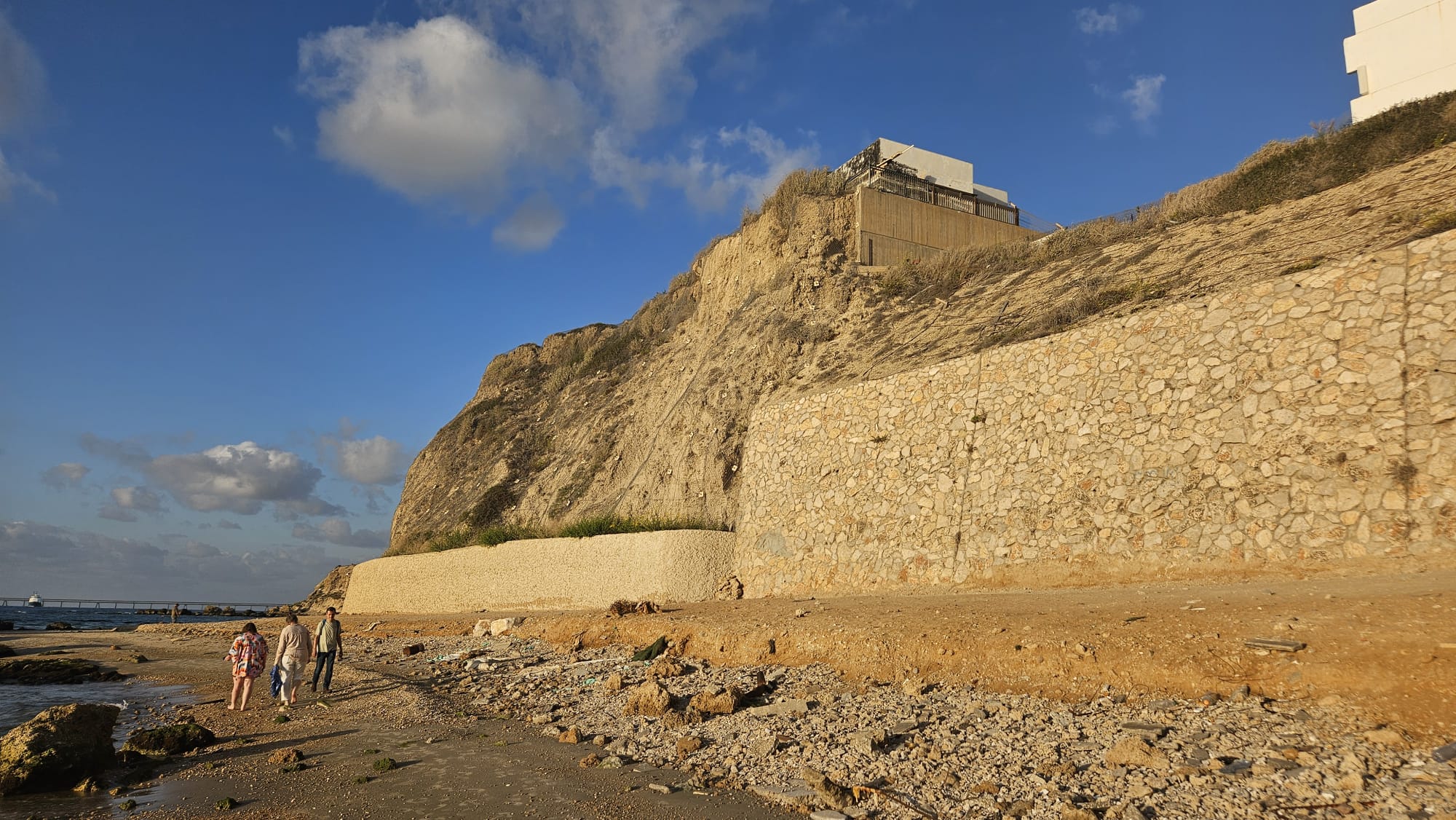 A view from the beach on the collapsing cliff the house sitting on
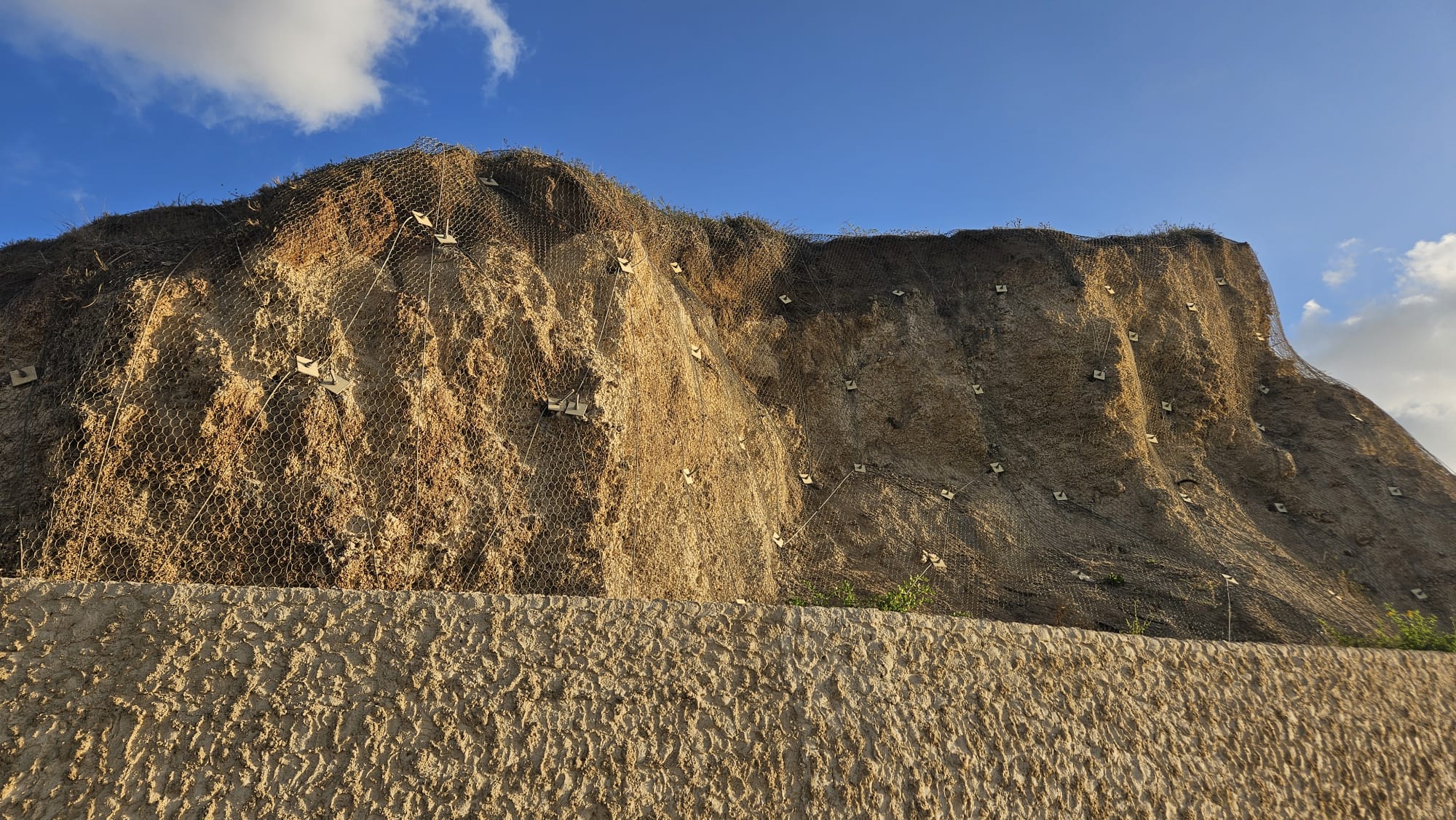 The Kurkar cliff is held with nets and soil nails
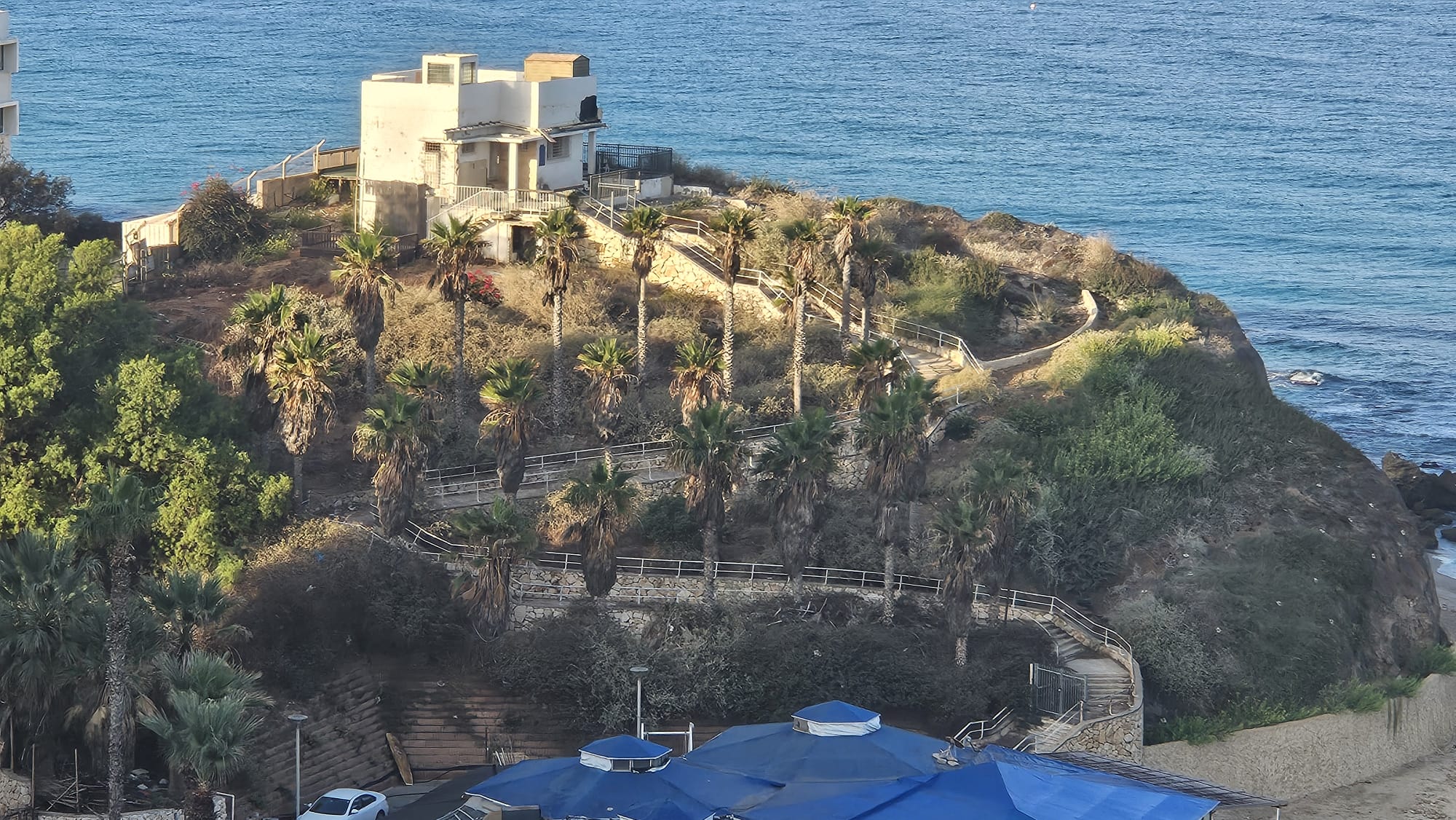 The house and staircase from the hotel above the bay
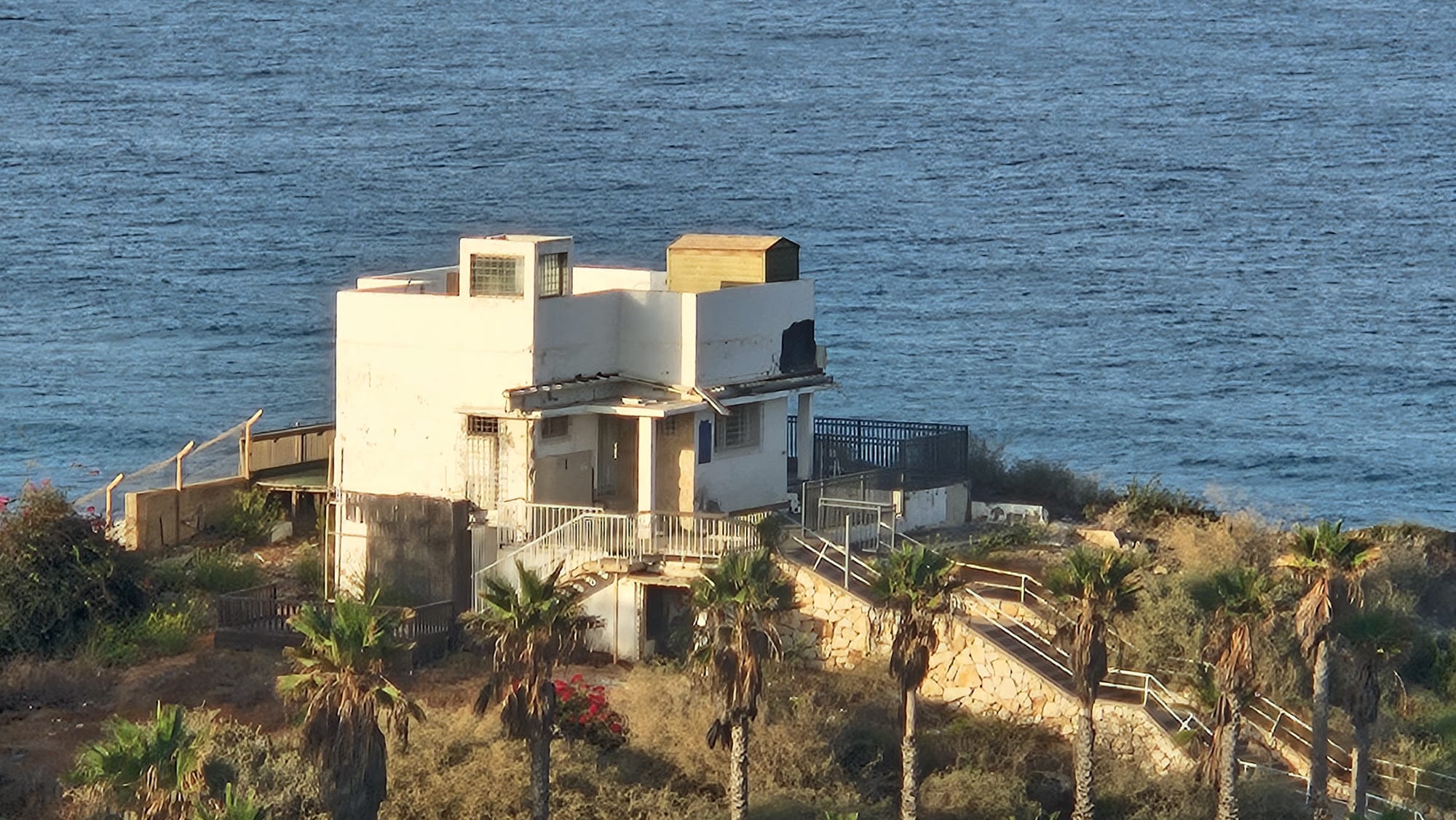 A closer view
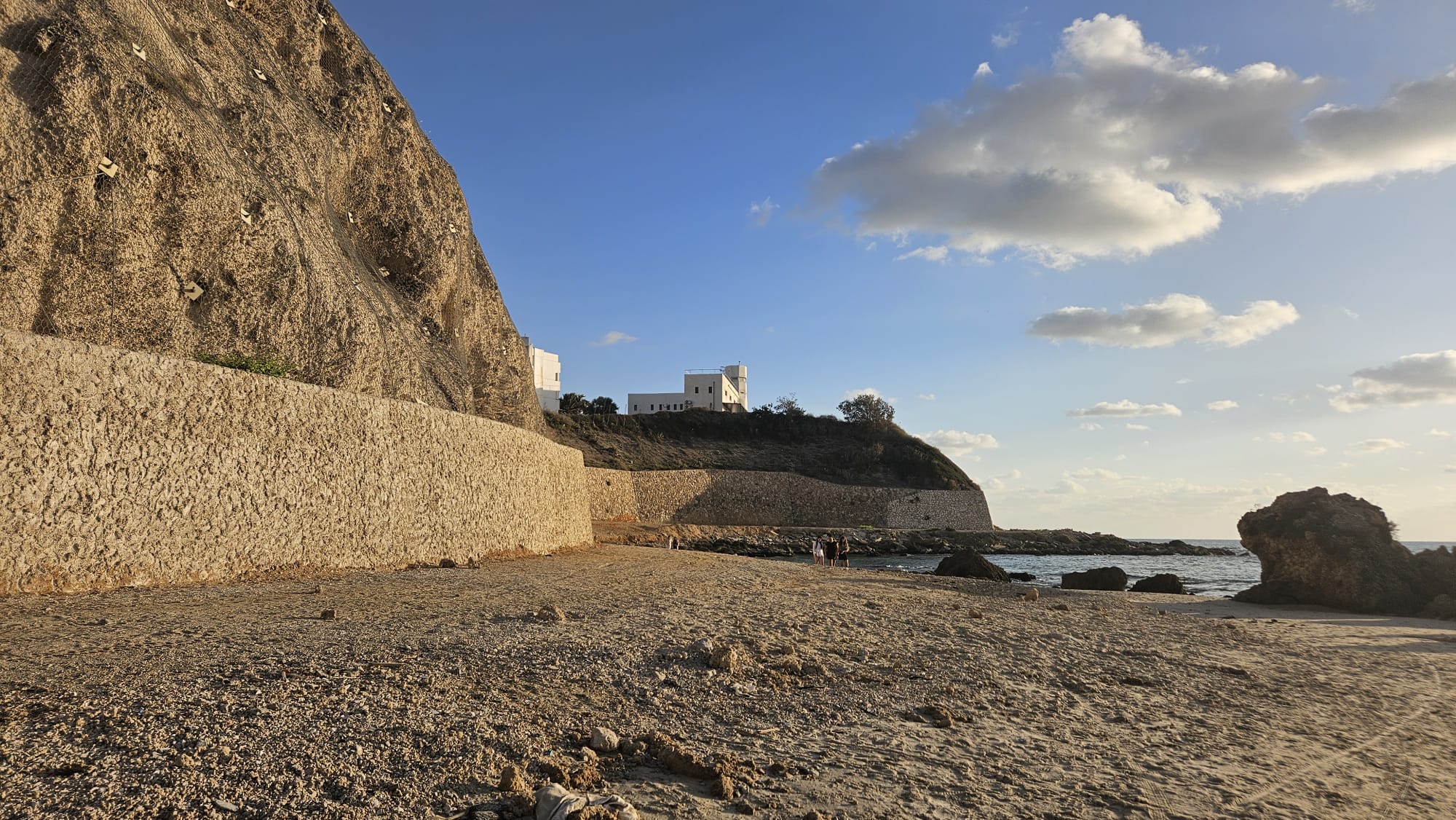 South to the house stands another old building. In the early 1940s, a coastal warning station was established at this location by the British Coastal Police due to the threat posed by the German Nazi’s navy. After the threat subsided following the Battle of El Alamein, the station remained to prevent illegal Jewish immigration.
The site was chosen for its strategic location on a kurkar (calcareous sandstone) cliff, which provided a wide observation range, and because the nearby southern beach had been used several times for clandestine immigration by the Mossad LeAliyah Bet.
Initially, the station consisted only of a searchlight, but later a radar was added, and the compound was surrounded by three barbed-wire fences. The adjacent northern station was located at Stella Maris, and the southern one near Ma’abarot Youth Village (“Na’orim”). Due to its role in obstructing immigration efforts, Palmach units set out twice to destroy the naval radar at the site. In late 1945, the radar station was bombed twice within 60 days. Today, a military radar installation operates at the site